When Ana de Armas stepped into one of the most scrutinized roles of her career, she approached it with an unusual level of preparation. Before filming even began on Blonde, the actress, along with the cast and crew, visited the grave of Marilyn Monroe and left behind a handwritten letter.
The gesture quickly drew attention, not because it was part of the film’s narrative, but because it revealed the mindset behind a production that was already surrounded by intense public curiosity.
The visit took place at Westwood Village Memorial Park Cemetery in Los Angeles, where Monroe is buried. According to de Armas, the entire team gathered there on the first day of production.
They brought a large card, signed it collectively, and placed it on the grave. The intent, as she described in multiple interviews, was symbolic. They were not attempting to communicate in any literal sense, but rather acknowledging the gravity of portraying such a well-known and deeply mythologized figure.
Ana De Armas framed the act as “asking for permission.” That phrasing is notable because it reflects the broader tone of the project. Blonde was never positioned as a straightforward biographical film.
Instead, it is a fictionalized interpretation based on the novel by Joyce Carol Oates. The book itself reimagines Monroe’s life through a psychological lens, blending documented events with speculative inner experiences. This approach carried over into the film, which was directed by Andrew Dominik.
Because of that creative direction, the production operated in a space that blurred fact and interpretation. That ambiguity likely contributed to the cast and crew’s decision to begin with a ritual-like gesture. It served as a way to ground the project, even as the narrative itself moved into more abstract territory.
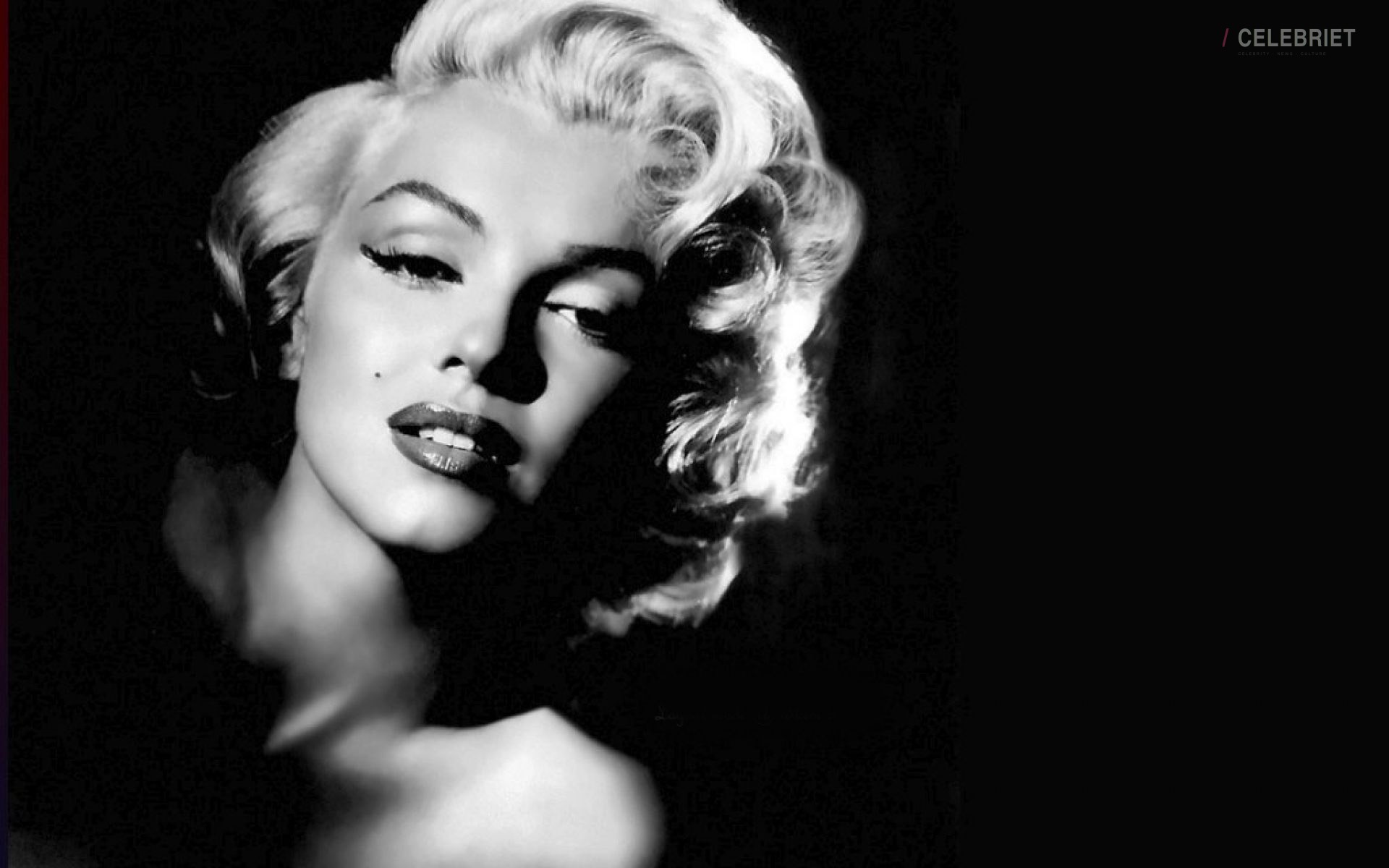
The decision to leave a letter also highlights the enduring cultural weight of Marilyn Monroe. Decades after her death, she remains one of the most recognizable figures in entertainment history.
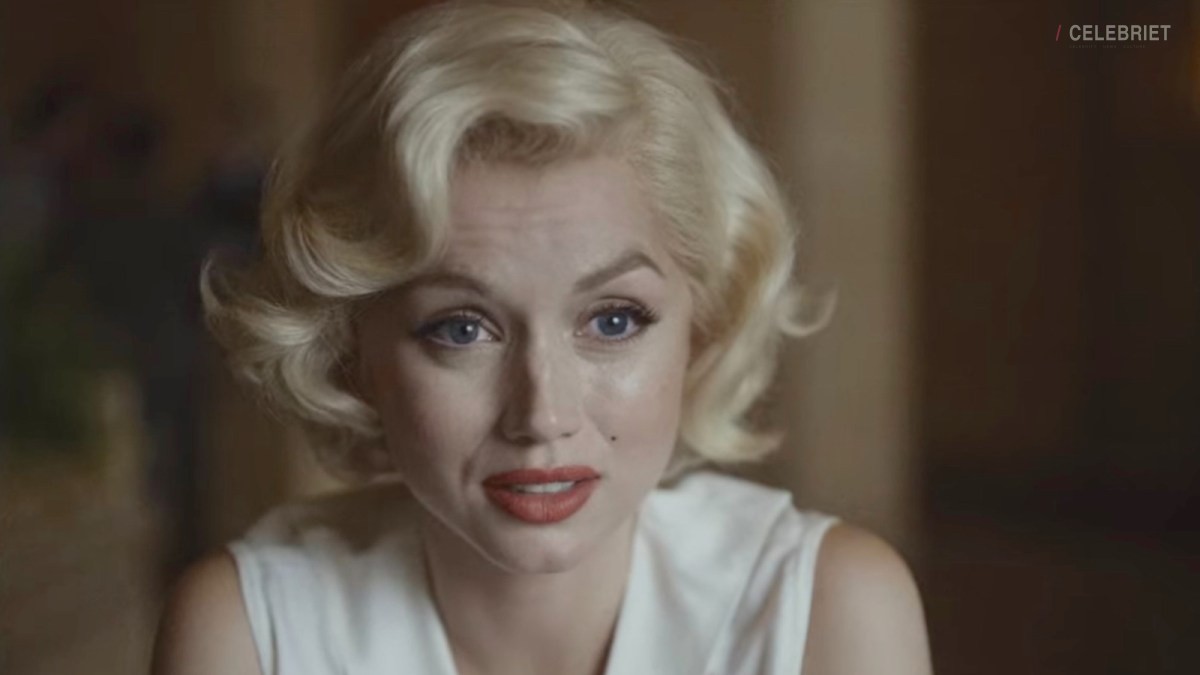
Her image has been reproduced endlessly, but her personal life continues to generate debate, speculation, and reinterpretation. Any attempt to portray her, particularly in a project that leans into emotional and psychological themes, carries a built-in level of scrutiny.
De Armas was aware of that pressure from the outset. Taking on the role required not only mastering Monroe’s voice and physical mannerisms, but also navigating the expectations of audiences who already have a deeply ingrained perception of who Monroe was.
In interviews, she has emphasized the distinction between “Marilyn Monroe” as a public persona and Norma Jeane, the private individual behind that image. Blonde leans heavily into that distinction, often focusing on vulnerability, identity, and internal conflict rather than external achievements.
This context helps explain why the grave visit resonated beyond a simple anecdote. It was not just about respect for a historical figure, but about acknowledging the interpretive nature of the work. By framing the act as a request for permission, the filmmakers implicitly recognized that they were entering contested territory, where artistic freedom intersects with real-life legacy.
There is also a psychological dimension to consider. De Armas has spoken openly about how demanding the role was, describing it as emotionally intense and difficult to separate from her personal life during filming.
That level of immersion is not uncommon in method-style performances, but in this case, it was amplified by the subject matter. Monroe’s life story includes themes of isolation, exploitation, and identity fragmentation, all of which are central to the film’s narrative.
In that sense, the letter can be seen as a form of collective preparation. It established a tone for the production, signaling that the team was approaching the material with seriousness rather than detachment. Whether or not one interprets the gesture as meaningful beyond symbolism, it clearly had an impact on how those involved framed their work.
The story gained additional traction because of comments de Armas made about unusual experiences during filming. She suggested that certain moments felt “mystical” or coincidental in ways that she personally interpreted as significant. While she did not claim anything supernatural in a definitive sense, those remarks contributed to the perception that the production carried an almost ritualistic atmosphere.
Critically, the letter itself did not influence the film’s content. It was not referenced within the narrative, nor was it part of any promotional storyline at the time of filming. Its significance lies entirely in what it reveals about the mindset of the people involved. In an industry often driven by commercial considerations, such gestures are relatively rare, particularly at the scale of a major Netflix production.
The reception of Blonde further underscores the complexity of the project. The film generated polarized responses from critics and audiences alike. Some praised its bold, unfiltered approach, while others criticized it for being overly speculative or emotionally heavy. Regardless of those reactions, the film succeeded in reigniting discussion about Monroe’s life and legacy, which aligns with the intent expressed by its creators.
From a broader perspective, the act of leaving a letter at Monroe’s grave fits into a long tradition of artists engaging symbolically with their subjects. Whether through research, ritual, or personal reflection, performers often seek ways to connect with the figures they portray. In this case, that connection was made explicit and public, which is why it continues to be discussed.
Ultimately, the gesture does not alter the historical record of Marilyn Monroe’s life, nor does it validate or invalidate the film’s interpretation. What it does provide is insight into the production process behind Blonde. It illustrates how the cast and crew chose to approach a challenging subject, and how they attempted to balance artistic exploration with a sense of responsibility.
For Ana de Armas, the letter represents a starting point. It marked the transition from preparation to performance, from studying Monroe as a subject to embodying her as a character. Whether viewed as symbolic, psychological, or simply respectful, it remains one of the more distinctive behind-the-scenes details associated with the film.