

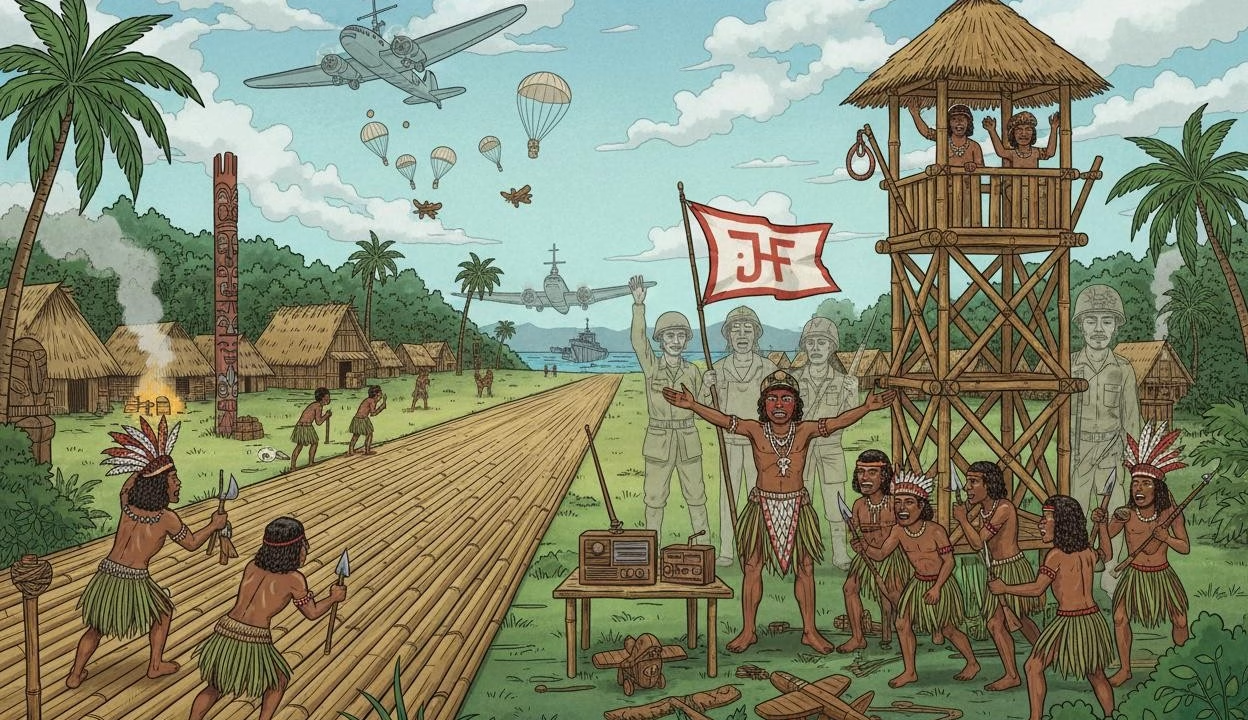
Cargo cults are one of the most fascinating and often misunderstood phenomena in modern anthropology. Originating primarily in Melanesia during and after World War II, these movements emerged when isolated island communities encountered advanced military technology and vast quantities of foreign goods, known as “cargo.” Without prior exposure to industrial systems, many locals developed belief systems around the idea that these goods were sent by ancestral spirits or divine forces.
Today, cargo cult history continues to attract global interest, not just as a historical curiosity but as a lens into human belief systems, cultural adaptation, and the impact of globalization. For those searching “Cargo Cult History: The Modern Existence,” the topic goes far beyond primitive imitation. It reveals how societies interpret sudden technological change and how those interpretations can persist or evolve over time. Let’s break down the origins, key examples, and whether cargo cults still exist in the modern world.
What Is a Cargo Cult?
Cargo cult refers to a type of religious or spiritual movement that developed in response to contact with technologically advanced societies. These movements typically involve rituals or practices intended to attract material goods believed to be controlled by supernatural forces.
The term itself gained prominence after World War II, when anthropologists observed such behaviors in Pacific island communities. Islanders saw foreign soldiers receiving large shipments of supplies by ships and airplanes. Since they did not understand global trade or industrial production, they interpreted these goods as gifts from spiritual sources.
Cargo cult practices often included building symbolic runways, control towers, or radios out of local materials. These imitations were attempts to replicate the conditions they believed brought cargo to outsiders. While the term has sometimes been used dismissively, modern anthropology treats these movements as meaningful cultural responses rather than irrational behavior.
Historical Origins During World War II
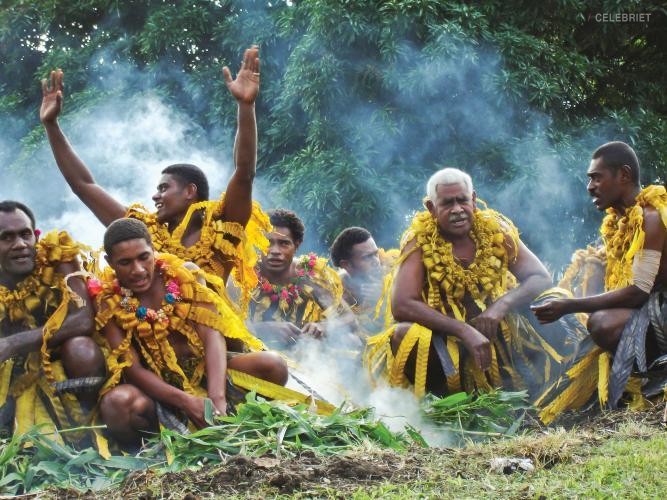
The roots of cargo cults are closely tied to the events of World War II. During the war, the Pacific islands became strategic military locations for Allied forces. Troops brought with them unprecedented amounts of supplies, including food, clothing, vehicles, and equipment.
For many island communities, this was their first encounter with such abundance. The sudden arrival of cargo created a stark contrast between local living conditions and the wealth displayed by foreign soldiers. When the war ended, the military presence disappeared, along with the steady flow of goods.
This abrupt withdrawal led to confusion and curiosity. Islanders began developing belief systems to explain the disappearance of cargo. In some cases, they concluded that spiritual forces controlled its distribution and that proper rituals could bring it back.
The John Frum Movement
One of the most well-known cargo cults is the John Frum Movement, which originated on the island of Tanna in Vanuatu. The movement centers around a figure named John Frum, who is believed to be a spiritual entity or ancestral figure associated with the arrival of cargo.
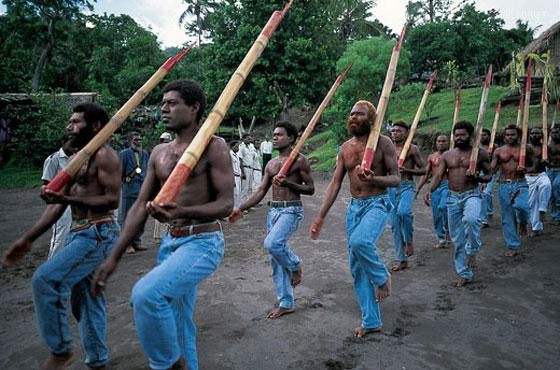
Followers of the movement perform rituals, including marches and ceremonies, often involving symbols inspired by American military practices. These rituals are intended to encourage the return of prosperity and material goods.
Interestingly, the John Frum Movement still exists today. It has evolved over time, incorporating elements of both traditional beliefs and modern influences. Anthropologists view it as an example of how cargo cults can adapt rather than disappear.
Cultural Interpretation and Misunderstanding
Cargo cults have often been misunderstood by outsiders. Early observers sometimes described them as naive or irrational, failing to recognize the deeper cultural context behind these movements. In reality, cargo cults represent logical interpretations based on the information available to those communities.
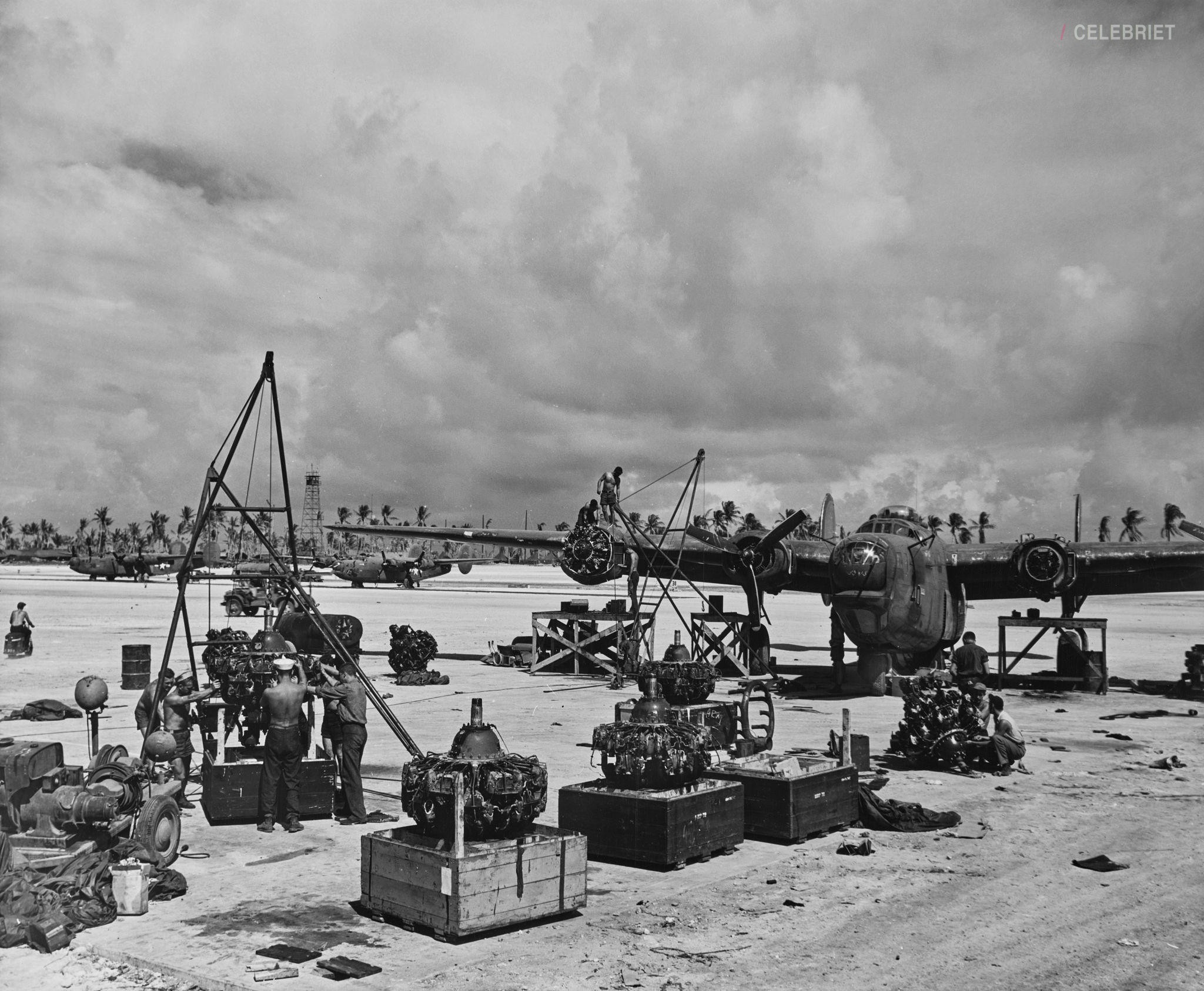
When people encounter unfamiliar technology without understanding its underlying systems, they create explanations that fit within their existing worldview. For Melanesian societies, this often meant integrating new experiences into spiritual or ancestral frameworks.
Modern anthropologists emphasize that cargo cults are not simply about material goods. They are about power, inequality, and the desire to access resources that appear controlled by external forces. This perspective helps reframe cargo cults as complex social responses rather than simplistic beliefs.
Do Cargo Cults Still Exist Today?
One of the most common questions is whether cargo cults still exist in the modern world. The answer is both yes and no, depending on how the term is defined. Traditional cargo cult practices, like building imitation runways, are far less common today.
However, movements like the John Frum Movement continue to persist. These groups have adapted to changing circumstances while maintaining core elements of their beliefs. In this sense, cargo cults have not disappeared but evolved.
Beyond specific communities, the concept of cargo cult behavior has been applied metaphorically to modern contexts. For example, in technology and business, “cargo cult mentality” refers to copying processes without understanding how they work. This shows how the concept has expanded beyond its original cultural setting.
Cargo Cults in Modern Anthropology
In contemporary Anthropology, cargo cults are studied as examples of cultural adaptation. Researchers examine how societies respond to sudden exposure to new technologies and economic systems.
These studies highlight the importance of context. What may appear unusual from an outsider’s perspective often makes sense within the local cultural framework. This approach encourages a more respectful and nuanced understanding of different belief systems.
Anthropologists also explore how globalization continues to influence isolated communities. While the conditions that created traditional cargo cults are less common, similar dynamics can still occur when societies encounter rapid change.
The Role of Globalization
Globalization has significantly altered the conditions that gave rise to cargo cults. Today, even remote communities have greater access to information, technology, and trade networks. This increased connectivity reduces the likelihood of misunderstandings about how goods are produced and distributed.
However, globalization also introduces new forms of inequality. The gap between developed and developing regions can still create perceptions of inaccessible wealth. In some cases, this can lead to new interpretations or belief systems that echo elements of cargo cult thinking.
Rather than eliminating the phenomenon entirely, globalization has transformed it. The core idea of trying to access external resources through symbolic actions can still be observed in different contexts around the world.
Cargo Cult Mentality in Modern Society
The concept of cargo cult mentality has gained popularity outside anthropology. It is often used to describe situations where people imitate behaviors without understanding their underlying principles. This idea is especially common in fields like software development, business, and education.
For example, companies might copy the practices of successful organizations without fully understanding why those practices work. This can lead to ineffective results, similar to how cargo cult rituals failed to bring back material goods.
This modern usage highlights the broader relevance of cargo cult history. It shows that the underlying human tendency to imitate success without comprehension is not limited to any one culture or time period.
Criticism and Ethical Considerations

The term “cargo cult” has faced criticism for its potentially dismissive connotations. Some scholars argue that it reinforces stereotypes about indigenous cultures and oversimplifies complex belief systems. As a result, there has been a shift toward more respectful language in academic discussions.
Researchers now focus on understanding these movements within their cultural and historical contexts. This approach avoids labeling them as irrational and instead emphasizes their significance as responses to real-world conditions.
Ethical considerations also play a role in how these communities are studied. Anthropologists must balance the need for research with respect for local traditions and beliefs. This ensures that their work contributes to understanding rather than exploitation.
Why Cargo Cult History Still Matters
Cargo cult history remains relevant because it offers insights into how humans interpret the unknown. It highlights the ways in which culture shapes understanding and how people adapt to rapid change. These lessons are applicable far beyond the specific context of Melanesia.
In a world increasingly defined by technological advancement, the challenges faced by cargo cult communities are not entirely unique. Many people today encounter complex systems they do not fully understand, leading to similar patterns of interpretation.
By studying cargo cults, we gain a deeper appreciation for the diversity of human thought. We also learn to approach unfamiliar beliefs with curiosity rather than judgment. This perspective is essential in an interconnected global society.
Cargo cult history is far more than a historical curiosity. It is a powerful example of how societies respond to sudden change, unfamiliar technology, and perceived inequality. From its origins during World War II to its continued existence in movements like the John Frum Movement, the phenomenon offers valuable insights into human behavior.

For those exploring “Cargo Cult History: The Modern Existence,” the key takeaway is that these movements are not relics of the past. They are part of an ongoing conversation about culture, belief, and adaptation. Whether in remote island communities or modern industries, the lessons of cargo cults continue to resonate.
Understanding this history helps us better navigate our own world. It encourages critical thinking, cultural awareness, and a deeper appreciation for how people make sense of the unknown.
Another dimension worth considering is how cargo cult narratives have influenced popular culture, academic debates, and even policy discussions. The concept has been referenced in literature, documentaries, and media as a way to explore the gap between perception and reality. In development studies, it is sometimes used to critique top-down approaches that impose systems without local understanding.
This broader application shows that cargo cult history is not confined to a specific region or time. Instead, it continues to shape conversations about knowledge, power, and how societies interpret progress in an increasingly complex world.