Since premiering on the History Channel in 2015, Alone has developed a reputation as one of television’s harshest and most realistic survival shows. Unlike many survival reality series that rely heavily on camera crews, manufactured drama, or staged encounters, Alone places contestants in isolated wilderness locations where they must survive completely on their own while filming themselves.
That unusual format has led many viewers to ask the same question: Is Alone scripted or real?
The short answer is that Alone is widely considered one of the most authentic survival reality shows currently on television. Contestants genuinely survive alone in remote wilderness areas, film their own footage, build shelters, hunt for food, and endure real starvation, injuries, and psychological isolation. However, like every reality TV series, the final product is still shaped through editing, production choices, and storytelling decisions after filming ends.
Understanding how the show actually works requires separating the survival experience itself from the television production process. Here is a closer look at Alone’s rules, filming methods, editing practices, and the truth behind claims that the show is fake or scripted.
How Alone Actually Works
The premise of Alone is relatively simple but extremely demanding. Contestants are dropped individually into remote wilderness locations, often in harsh environments like northern Canada, Labrador, Mongolia, or the Arctic Circle. Each participant receives a limited set of survival gear and must survive for as long as possible. The last remaining contestant wins the cash prize, which is typically $500,000.
Unlike most reality shows, there are no camera crews following participants throughout the competition. Contestants document everything themselves using professional camera equipment provided by production. According to History Channel production interviews, participants typically film eight to ten hours of footage every day using multiple cameras and trail cams.
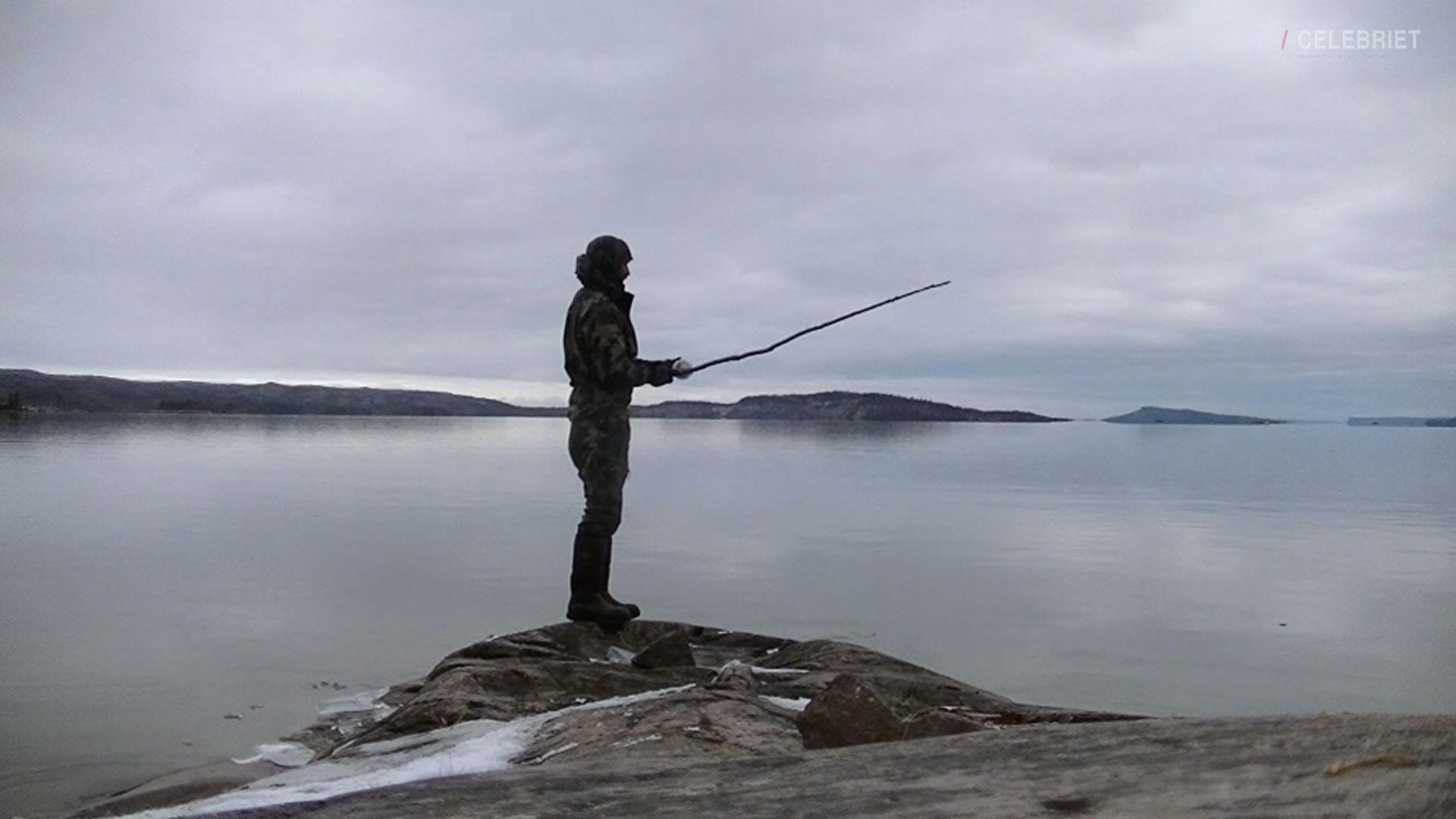
Contestants must simultaneously survive and operate camera equipment while enduring extreme weather, hunger, exhaustion, and isolation. They also carry satellite phones that allow them to “tap out” whenever they decide they can no longer continue. Medical teams conduct periodic health checks to ensure participants are not reaching life-threatening conditions.
The lack of camera crews is one of the biggest reasons Alone feels more authentic than many other survival programs.
One major reason viewers consider Alone authentic is that contestants visibly suffer real physical and emotional consequences throughout the show.
Participants routinely lose dangerous amounts of weight, experience severe emotional breakdowns, and struggle with isolation. Medical removals are common, especially when contestants show signs of malnutrition or dangerous health decline. The series openly documents contestants failing, crying, panicking, or making mistakes rather than presenting them as invincible survival experts.
Former contestants have also repeatedly emphasized that the survival conditions are genuine. In interviews discussed by Vulture and Reddit communities, many former participants described Alone as one of the few survival shows where producers relinquish significant control over what happens in the field.
Executive producer Ryan Pender even described the series as “the anti-reality show” because contestants truly operate without producers directing events on-site.
The self-filming format further reinforces that authenticity. Contestants genuinely set up cameras themselves to capture scenes like hiking, shelter building, and emotional moments. Fans frequently ask whether those cinematic walking shots are staged, but former contestants and viewers familiar with solo filming explain that participants really do stop, place cameras, record themselves walking away, then retrieve the equipment afterward. That process is time-consuming, but it is real.
What Parts of Alone Are Controlled by Producers?
Even though Alone is not considered scripted in the traditional sense, producers still shape the final television product significantly.
Like every reality show, Alone relies heavily on editing. Contestants generate thousands of hours of raw footage every season, but viewers only see a small fraction of it. According to History Channel interviews, teams of producers and editors organize, transcribe, and condense the footage into dramatic story arcs.
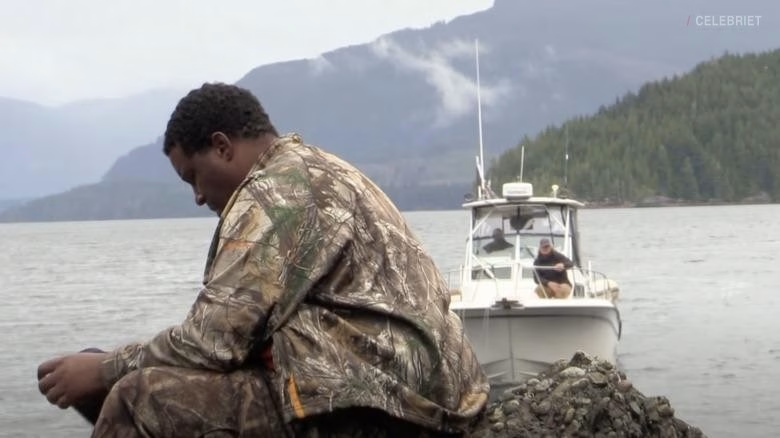
That means editing can influence how contestants appear on screen. Some participants have noted that important survival activities or emotional experiences never make the final episodes because editors focus on the most dramatic or narratively useful moments.
Reddit discussions among viewers and former contestants also point out that narration and sequencing sometimes create a more dramatic storyline than what participants experienced in real time. Some scenes may be rearranged chronologically or paired with voiceovers recorded after contestants leave the wilderness.
However, editing manipulation is very different from scripting survival events themselves. There is no evidence that contestants receive hidden food, staged wildlife encounters, or scripted dialogue from producers.
Part of what makes Alone compelling is its strict rule structure. According to official History Channel materials, contestants may only bring ten survival items selected from a pre-approved gear list. Those items can include tools like knives, axes, fishing equipment, sleeping bags, or tarps.
Participants are separated far enough apart to avoid contact with one another. The locations are carefully selected beforehand to ensure roughly equal access to natural resources such as water, fish, and game.
Contestants cannot receive outside assistance beyond emergency medical intervention and scheduled health evaluations. If someone’s body mass drops too low or medical teams determine their health is in danger, they are forcibly removed from the competition even if they want to continue.
These medical removals are one of the clearest indicators that the physical suffering on the show is genuine.
Why Alone Feels Different From Other Survival Shows
Many viewers compare Alone favorably against older survival reality programs because of how stripped-down its production style feels.
Shows like Man vs. Wild or Dual Survival often featured visible production crews, staged demonstrations, or reconstructed survival scenarios. Alone instead emphasizes prolonged isolation and realism. Contestants spend weeks or even months completely separated from family, society, and entertainment while trying to survive harsh wilderness conditions.
The psychological aspect is especially important. Many contestants tap out not because of physical danger but because of loneliness, fear, and emotional exhaustion. The series openly shows people talking to cameras for companionship, struggling mentally, or breaking down emotionally after weeks of isolation.
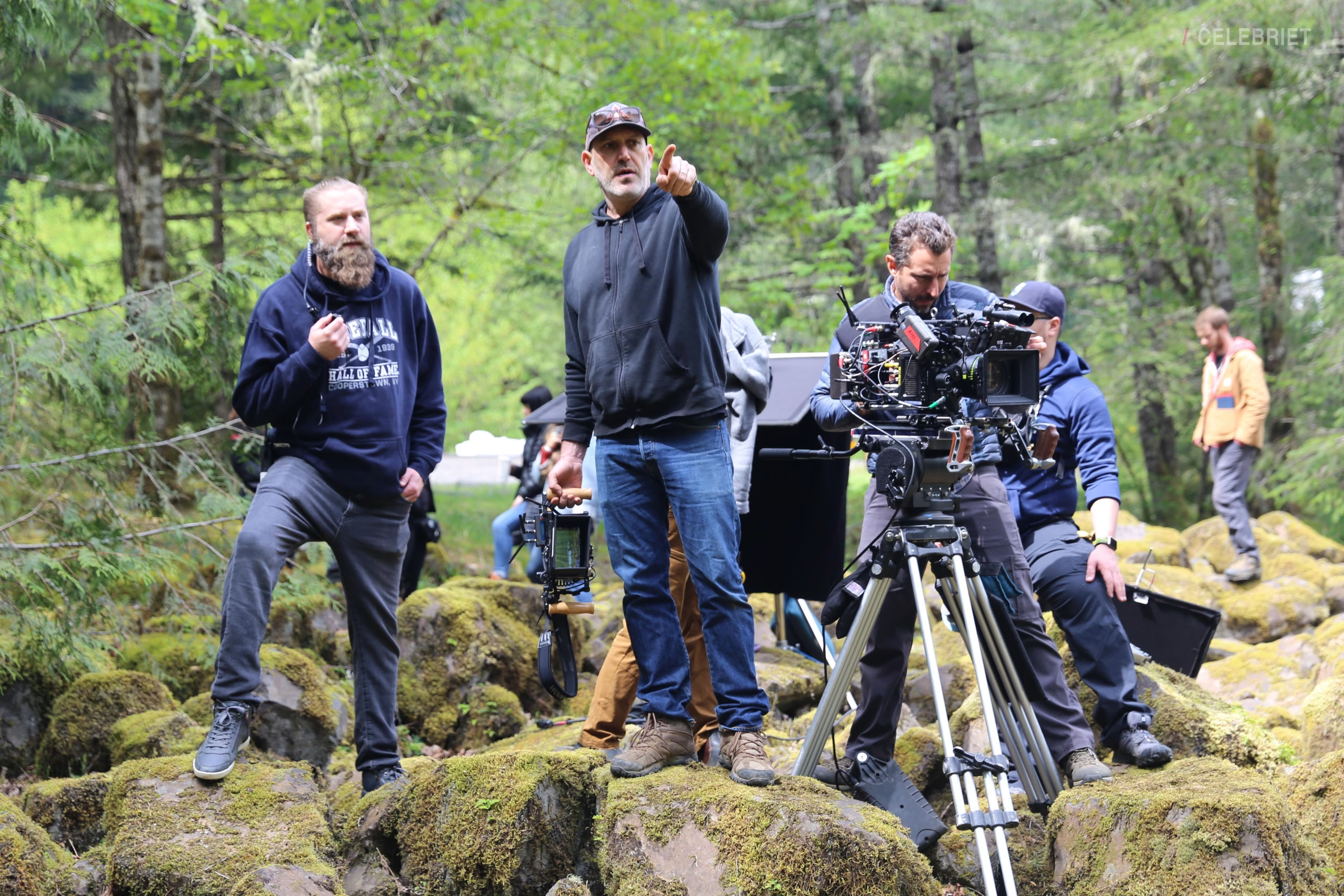
That emotional vulnerability makes the show feel less manufactured than many competition-based reality series built around conflict and interpersonal drama.
Despite its reputation for authenticity, Alone still faces skepticism from some viewers.
One common criticism is that contestants are not truly “alone” because medical crews periodically visit them during health checks. Critics also note that filming locations are often not infinitely remote and may exist within reachable distance of towns or roads.
Others argue that editing can exaggerate danger or emotional tension. Because producers condense weeks of footage into short episodes, some viewers believe the final product occasionally manipulates pacing or emotional storytelling.
However, even critics generally acknowledge that contestants genuinely survive under extremely harsh conditions without direct production assistance. The debate is usually about television editing rather than whether the survival itself is fake.
So, is Alone Scripted or Real?
The most accurate answer is that Alone is real in terms of survival, but still edited as television entertainment.
Contestants genuinely live alone in dangerous wilderness environments. They really build shelters, hunt, fish, gather food, lose weight, struggle emotionally, and film themselves without camera crews nearby. Multiple contestants, producers, and behind-the-scenes reports consistently support that reality.
At the same time, the show remains a professionally edited reality series. Producers shape storylines through selective editing, pacing, music, and narrative construction after filming concludes.
That balance between genuine survival and television storytelling is likely why Alone has earned such a strong reputation among viewers. Unlike many reality programs accused of staging events or manufacturing drama, Alone feels authentic because the suffering, isolation, and survival challenges are fundamentally real.
And for many fans, that realism is exactly what makes the show so compelling.