Kengan Omega continues the legacy of Kengan Ashura, one of the most popular martial arts manga of the past decade. Written by Yabako Sandrovich and illustrated by Daromeon, the sequel picks up after the explosive conclusion of its predecessor while introducing new characters, organizations, and conflicts. Instead of simply repeating the tournament structure that made Kengan Ashura famous, Kengan Omega attempts to expand the world and explore the consequences of the previous story.
For fans of intense martial arts action, Kengan Omega offers brutal fights, diverse fighting styles, and strategic combat that stays true to the franchise’s core appeal. However, its shift in narrative focus and pacing has sparked mixed reactions among readers. Some praise its world-building and character depth, while others feel it lacks the tight storytelling of the original.
To understand whether Kengan Omega is worth reading, it is important to examine its story, fights, characters, and direction. Let’s break down what the sequel gets right and where it struggles.
Story Overview: A New Era After Kengan Ashura
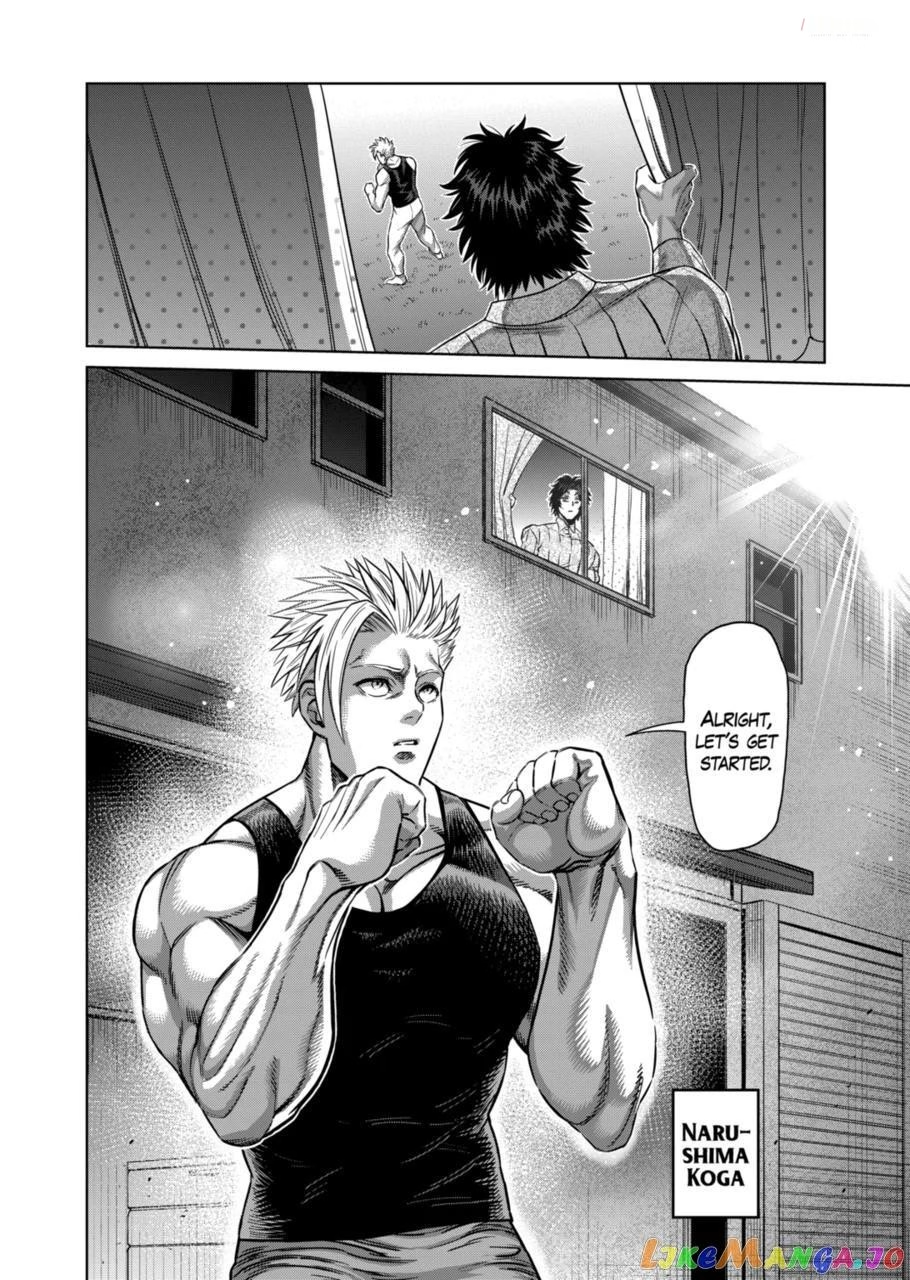
Kengan Omega takes place two years after the events of Kengan Ashura, shifting the focus to a new protagonist, Koga Narushima. Unlike the previous main character, Koga begins as an inexperienced fighter with big ambitions but limited skill. This change in perspective allows the story to explore growth and development from the ground up.
Another central figure is Ryuki Gaoh, a mysterious fighter with a connection to the series’ deeper lore. His presence introduces darker elements and hints at larger conspiracies within the Kengan world. Together, Koga and Ryuki represent two contrasting paths within the story.
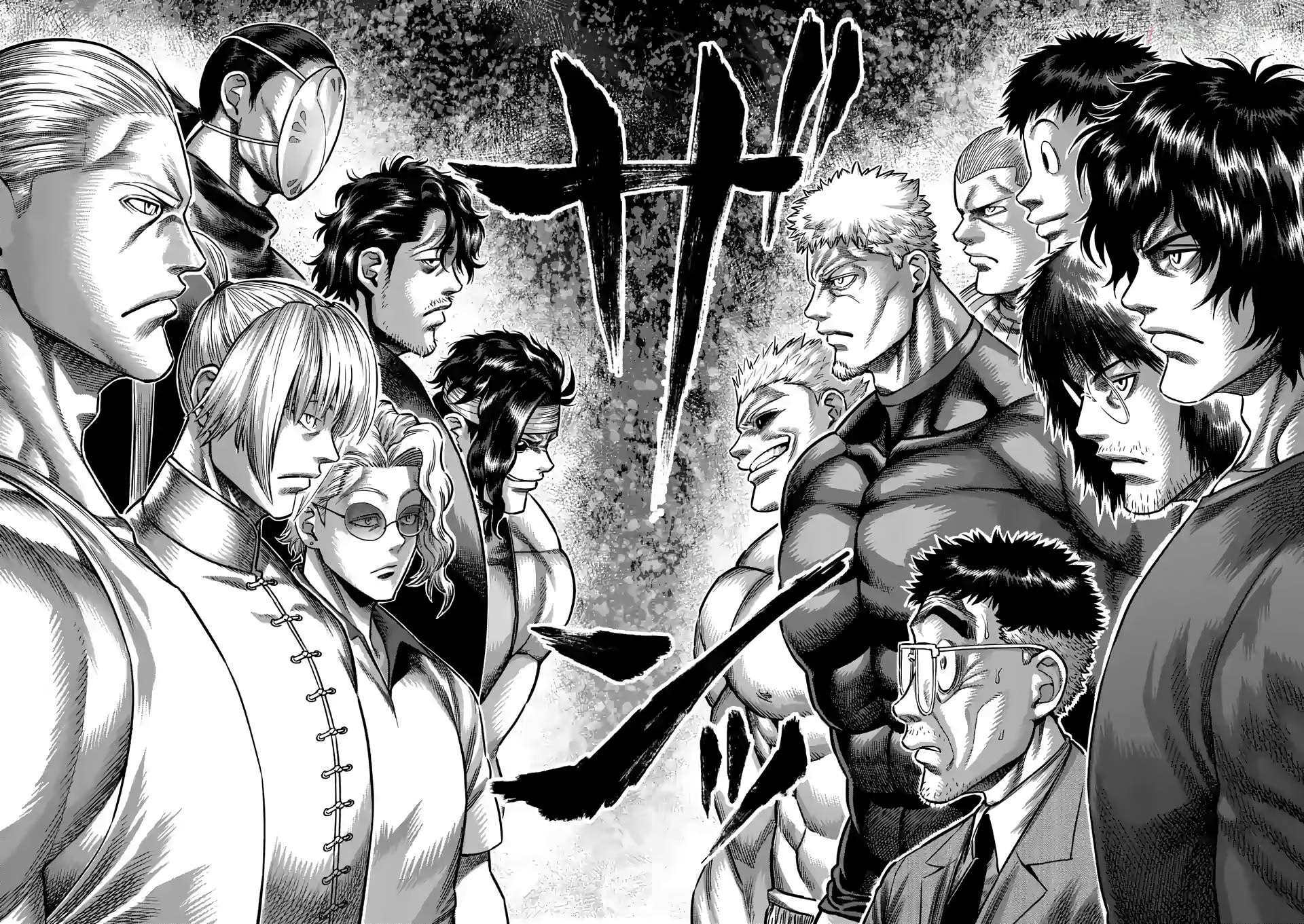
The narrative expands beyond the Kengan Association, introducing rival organizations like Purgatory. This shift moves the story away from a single tournament structure toward a broader conflict between different factions. It creates opportunities for new matchups and world-building.
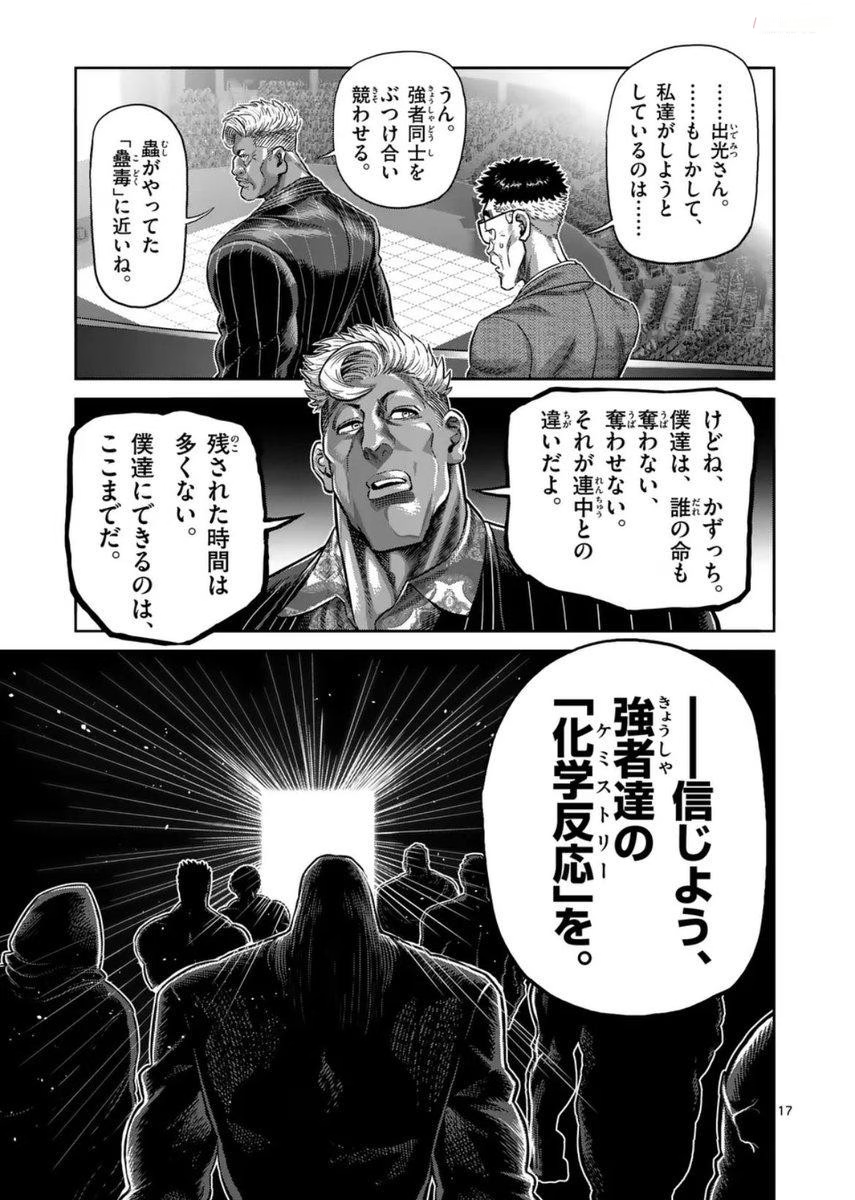
While the story retains its focus on combat, it also incorporates elements of mystery and political intrigue. Secret groups, hidden agendas, and evolving alliances play a significant role in shaping the narrative. This adds complexity but also slows down the pacing compared to its predecessor.
Overall, Kengan Omega aims to build on the foundation of Kengan Ashura while exploring new directions. Whether this approach works depends largely on what readers expect from the sequel.
Character Development: From Underdog to Fighter
One of the biggest changes in Kengan Omega is its approach to character development. Koga Narushima serves as a traditional underdog, starting with little experience and gradually improving through training and real battles. His journey provides a relatable entry point for new readers.
Koga’s growth is one of the manga’s strongest elements. Instead of becoming powerful quickly, he faces repeated setbacks that force him to learn and adapt. This slow progression adds realism and makes his victories more satisfying.
Ryuki Gaoh, on the other hand, represents a more complex and morally ambiguous character. His fighting style and background are tied to darker aspects of the Kengan world, creating tension between him and other characters. His arc explores themes of identity and purpose.
Returning characters from Kengan Ashura also play important roles. Familiar fighters reappear with new motivations and abilities, providing continuity for long-time fans. These characters often serve as benchmarks for Koga’s growth.
However, the large cast can sometimes dilute focus. With so many fighters and subplots, certain characters do not receive the depth they deserve. This is a noticeable shift from Kengan Ashura, which maintained a tighter narrative structure.
Fight Scenes: The Core Strength of Kengan Omega
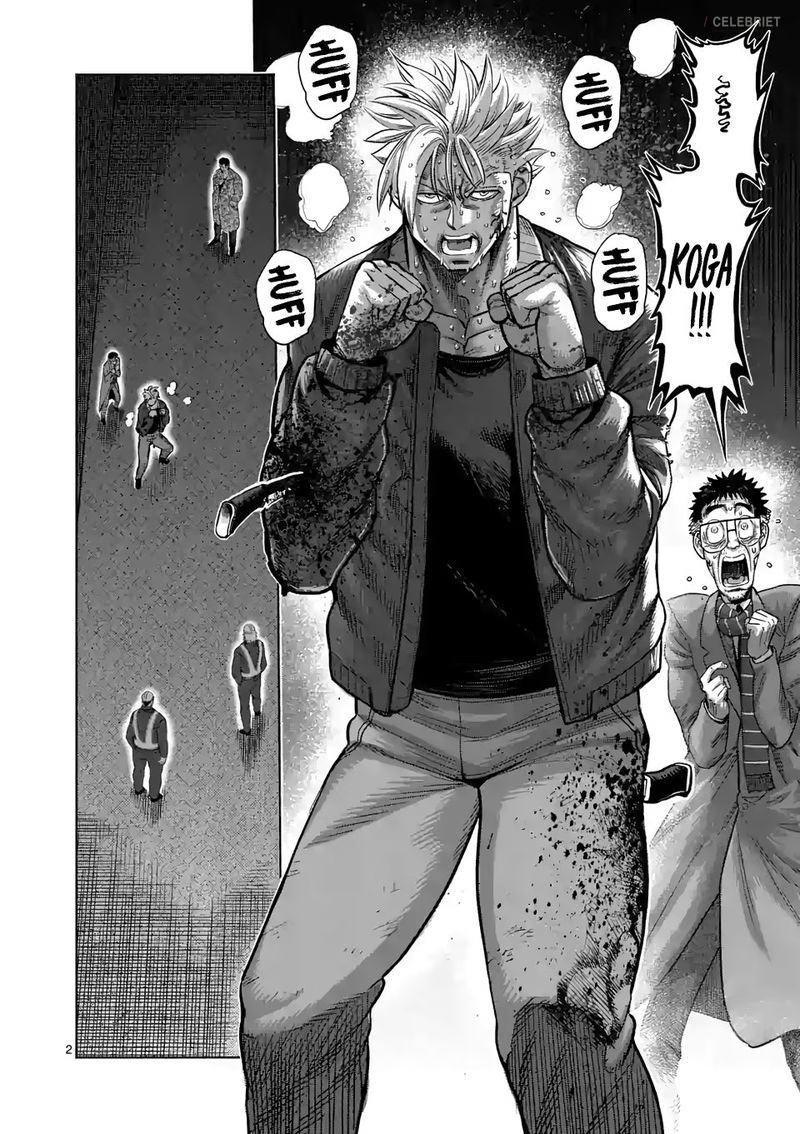
The fight scenes remain the biggest highlight of Kengan Omega. The series continues to deliver intense, well-choreographed battles that emphasize technique, strategy, and physical endurance. Each fight showcases a variety of martial arts styles, keeping the action fresh and engaging.
One of the key strengths is the detailed explanation of fighting techniques. The manga often breaks down moves, strategies, and counters, allowing readers to understand the mechanics behind each battle. This adds a layer of realism that sets it apart from other action series.
The introduction of new fighters and organizations expands the range of combat styles. From traditional martial arts to unconventional techniques, the variety keeps readers invested. Matches often feel unpredictable, with outcomes determined by strategy rather than sheer power.
The Purgatory vs Kengan Association tournament is a major highlight. It provides a structured format for multiple high-stakes fights while advancing the story. Many of the series’ best battles occur during this arc.
However, some readers feel that the fights lack the emotional weight of Kengan Ashura. While technically impressive, certain matches do not carry the same narrative significance. This difference contributes to the mixed reception of the series.
Pacing and Story Structure: Strengths and Weaknesses
Kengan Omega takes a different approach to pacing compared to its predecessor. Instead of focusing on a single tournament, it divides attention between multiple storylines, characters, and conflicts. This creates a more expansive narrative but also leads to uneven pacing.
Early chapters focus heavily on Koga’s training and development, which some readers find slow. While this builds character depth, it contrasts with the immediate intensity of Kengan Ashura. The gradual buildup may not appeal to those expecting constant action.
The introduction of larger conspiracies adds intrigue but also complicates the narrative. Secret organizations and hidden agendas require more exposition, which can slow down the story. Balancing these elements with action is a challenge the series does not always manage effectively.
On the positive side, the broader scope allows for more world-building. The story explores how different organizations operate and how fighters fit into this system. This adds depth to the Kengan universe.
Ultimately, the pacing reflects the series’ ambition. It aims to expand the story beyond simple tournament battles, but this comes at the cost of narrative focus.
Comparison with Kengan Ashura
Comparing Kengan Omega to Kengan Ashura is inevitable, as the latter set a high standard for the franchise. Kengan Ashura focused on a single tournament, providing a clear structure and consistent tension. Every fight had immediate stakes, contributing to a tightly paced story.
Kengan Omega, in contrast, adopts a more open-ended approach. It explores multiple storylines and introduces new elements, but this reduces the sense of urgency. The shift from a single protagonist to a broader cast also changes the narrative focus.
In terms of fights, both series deliver high-quality action. However, Kengan Ashura often ties its battles more directly to character arcs and story progression. This gives its fights greater emotional impact.
That said, Kengan Omega offers advantages in world-building and character variety. It expands the universe and introduces new perspectives, which can be appealing for readers who want more depth.
The choice between the two ultimately depends on personal preference. Fans of structured storytelling may prefer Kengan Ashura, while those interested in a broader narrative may enjoy Kengan Omega.
Themes and What the Manga Does Well
Kengan Omega explores several themes that add depth to its story. One of the most prominent is growth and self-improvement. Koga’s journey highlights the importance of perseverance and learning from failure.
The series also examines the nature of strength. Different characters represent different philosophies, from raw power to technical skill. This diversity creates interesting contrasts and debates within the story.
Another key theme is the hidden world of underground fighting. The manga portrays a complex system where corporations, fighters, and organizations interact. This adds a layer of intrigue beyond the fights themselves.
Additionally, the relationship between Koga and Ryuki provides emotional grounding. Their contrasting personalities and goals create tension and development. This dynamic helps anchor the broader narrative.
Despite its flaws, Kengan Omega succeeds in maintaining the core appeal of the franchise. It delivers action, character growth, and a unique world that keeps readers engaged.
Is Kengan Omega Worth Reading?
Kengan Omega is worth reading, but expectations play a crucial role in how it is received. For fans of Kengan Ashura, the sequel offers more of the same intense fights and expands the universe. However, it does not replicate the original’s tight storytelling.
New readers may find the slower pacing challenging at first, but the character development and world-building provide long-term payoff. The series rewards patience, particularly as storylines begin to converge.
The fight scenes alone make it appealing for fans of martial arts manga. The variety of styles and strategic depth ensure that battles remain engaging. Even when the story slows down, the action maintains interest.
Ultimately, Kengan Omega is a solid continuation rather than a perfect sequel. It builds on the strengths of the original while introducing new ideas, even if not all of them succeed.
Kengan Omega is a compelling but imperfect sequel that expands the Kengan universe in meaningful ways. Its strengths lie in character development, diverse fights, and ambitious storytelling. However, its pacing issues and lack of focus prevent it from reaching the same level as Kengan Ashura.
For readers who enjoy martial arts manga with strategic combat, it remains a worthwhile experience. Those looking for a tightly structured narrative may find it less satisfying. The series stands as an example of how sequels can evolve a story while facing the challenge of meeting high expectations.