
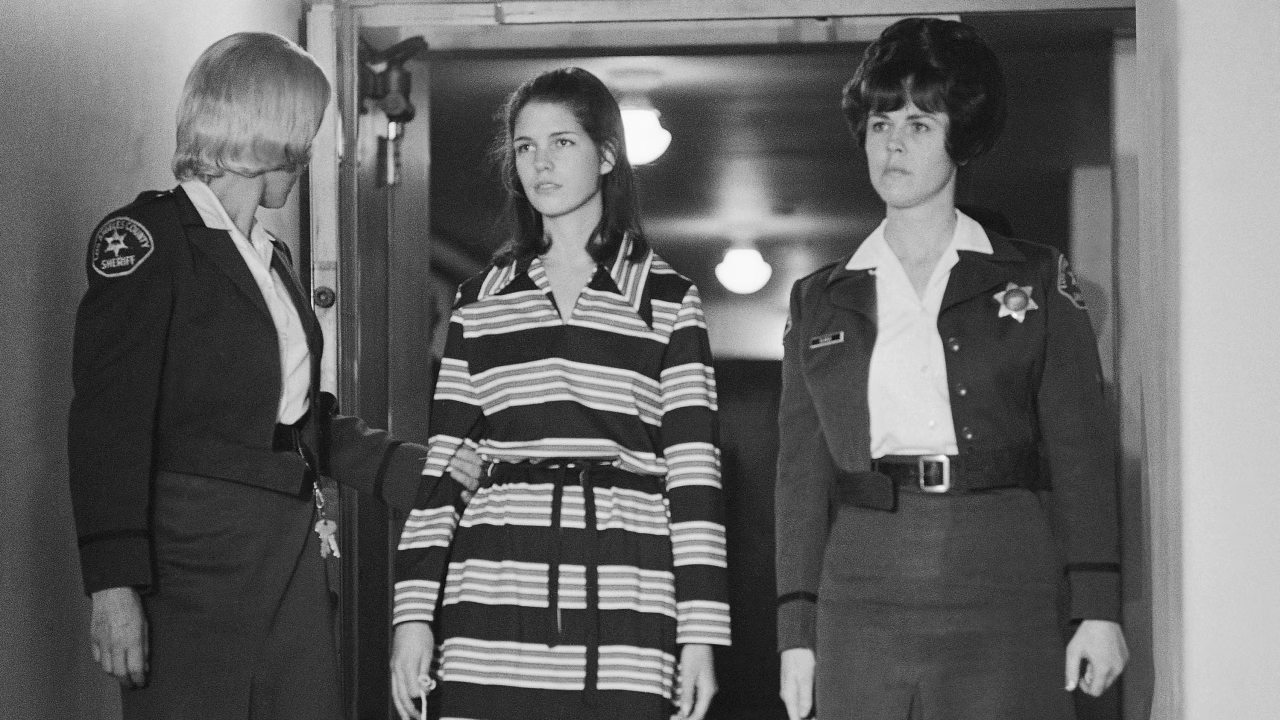
Leslie Van Houten remains one of the most widely discussed figures connected to the Manson Family murders. Her case continues to draw attention decades later, especially after her parole was finally approved in 2023. While many recognize her name, confusion still surrounds her exact role in the crimes and the legal journey that followed.
Van Houten was one of the youngest members of Charles Manson’s group, often referred to as the Manson Family. Her involvement in the 1969 murders led to a life sentence, but repeated parole hearings kept her case in the public eye. Verified reporting from BBC News has detailed how her eventual release came after years of legal battles and changing parole decisions. Understanding her case requires looking at both the crimes themselves and the legal system that handled her sentencing and release.
Leslie Van Houten’s Role in the Manson Family Murders
In August 1969, members of the Manson Family carried out a series of brutal killings in Los Angeles. While the Tate murders are the most widely known, Leslie Van Houten was directly involved in the separate killings of Leno and Rosemary LaBianca. According to BBC News, she participated alongside other members under the influence of Charles Manson’s ideology.
Van Houten later admitted to taking part in the attack, stating during trial testimony that she stabbed one of the victims after they were already incapacitated. Her role, while not as central as some others, was still significant enough to result in a conviction for first-degree murder. The brutality of the crimes stunned the nation and became a defining moment in American criminal history.
Her young age at the time, 19, became a major factor in later discussions about her sentence and rehabilitation. However, it did not lessen the severity of the charges during her initial trial. The court ultimately held her accountable for her actions.
Trial, Conviction, and Life Sentence
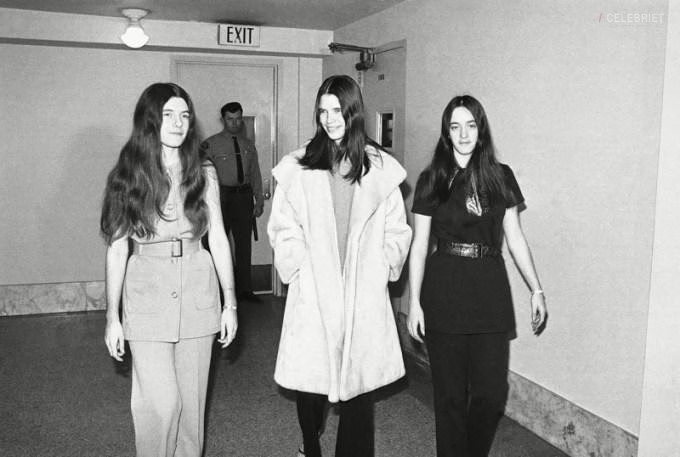
Leslie Van Houten was convicted in 1971 for her role in the LaBianca murders. Like other Manson Family members, she was initially sentenced to death. However, that sentence was later reduced to life imprisonment after California temporarily overturned the death penalty.
Her case went through multiple legal proceedings, including retrials due to technical issues. Despite these complications, the outcome remained consistent, and she continued serving a life sentence. Over the decades, she became one of the most well-known inmates connected to the Manson Family.
During her time in prison, Van Houten reportedly engaged in rehabilitation programs and education. These efforts later became central to arguments supporting her parole. Still, public opinion remained divided due to the nature of her crimes.
Why Leslie Van Houten Was Granted Parole
After more than 50 years in prison, Leslie Van Houten was granted parole in 2023. BBC News reported that California Governor Gavin Newsom declined to block her release after years of previously rejecting parole recommendations. This decision marked a major turning point in her case.
Parole boards cited her age, behavior in prison, and evidence of rehabilitation as key reasons for approval. Supporters argued that she had changed significantly since her teenage years and no longer posed a threat to society. Her legal team also emphasized her consistent record during incarceration.
However, the decision sparked controversy. Critics, including family members of the victims, argued that the severity of the crimes should outweigh any evidence of rehabilitation. This divide reflects the broader debate over long-term sentencing and parole in serious criminal cases.