


When news about the production of began making headlines in 2023, much of the attention focused on its star-studded cast, massive sets, and the return of director Ridley Scott. However, the film also became the center of controversy after animal rights organization People for the Ethical Treatment of Animals raised concerns about the treatment of animals during filming in Malta.
PETA publicly accused the production of potentially endangering horses and using macaque monkeys on set, following what it described as whistleblower reports. The organization sent letters to Scott and several cast members, including Pedro Pascal, urging them to reconsider the use of live animals and instead rely on modern visual effects technology.
The controversy quickly sparked debate among movie fans, animal welfare advocates, and industry observers. Some supported PETA’s concerns, while others questioned whether the allegations were supported by sufficient evidence. Understanding what actually happened requires looking at the claims, the responses, and the broader discussion surrounding animal use in major film productions.
Why PETA Targeted Gladiator 2
PETA’s concerns first became public in July 2023 when the organization revealed that it had sent formal complaints to members of the production team. According to reports shared with the media, the organization said it had received whistleblower information regarding the use of horses and macaque monkeys during filming in Malta.
One of PETA’s primary objections involved the reported use of primates in the film. The group argued that wild animals are often subjected to stressful training conditions and unnatural environments when used in entertainment productions. In letters addressed to Scott, PETA urged the filmmaker to abandon plans involving macaques and other wild animals, claiming that modern CGI technology could accomplish the same creative goals without involving living creatures.
The organization also pointed to long-standing concerns about the treatment of animals in the entertainment industry. PETA argued that even productions with safety measures in place can expose animals to stress, transportation challenges, and unfamiliar environments that may affect their well-being.
The Horse Injury Allegation Explained
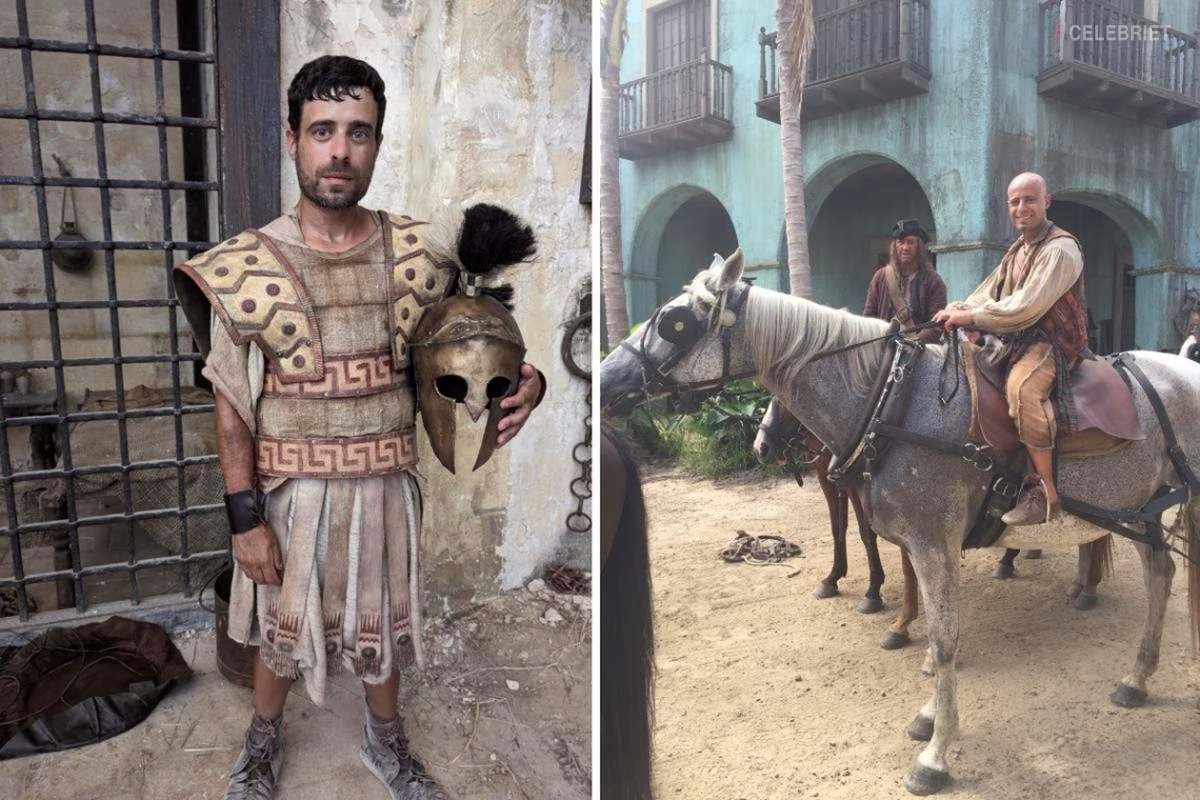
The most widely discussed claim involved a horse reportedly experiencing physical distress during production. According to a letter cited by multiple outlets, a whistleblower alleged that a horse’s leg “gave out” on set, potentially because of extreme temperatures in Malta during the summer filming schedule.
PETA expressed concerns that horses were being kept in costumes while exposed to high temperatures and direct sunlight between takes. The organization argued that combining heavy costumes, long filming hours, and intense heat could create dangerous conditions for animals already vulnerable to stress in busy production environments.
The animal rights group also referenced the broader history of horse injuries in film and television productions. While PETA did not claim that a fatal incident had occurred on Gladiator 2, it argued that productions should take extra precautions to prevent similar situations from developing.
What the Production Said in Response
Despite the public criticism, reports indicated that individuals connected to the production disputed the allegations. A source close to the film told the Los Angeles Times that there had been no animal injuries or incidents during filming. The same source stated that a certified animal safety representative was present on behalf of the American Humane Society while animals were being used on set.
At the time the controversy emerged, representatives for Scott and Pascal did not immediately issue public responses addressing the specific accusations. As a result, much of the discussion centered on competing claims from PETA and unnamed production sources rather than official statements from the filmmakers themselves.
This lack of a direct public response created uncertainty about the situation. While PETA maintained that whistleblower accounts raised serious concerns, the production’s side argued that recognized animal safety oversight procedures were already in place.
Why the Use of Animals in Movies Remains Controversial
The Gladiator 2 debate reflects a much larger discussion that has existed in Hollywood for decades. Animal welfare groups have increasingly pushed studios to replace live animals with CGI alternatives, especially when productions involve potentially dangerous environments or demanding action sequences.
Advances in visual effects have made digital animals significantly more realistic than they were in previous decades. Many recent blockbuster productions now use computer-generated creatures for scenes that once required live animal performers. PETA has frequently argued that these technologies eliminate unnecessary risks while still allowing filmmakers to achieve the desired visual results.
Filmmakers, however, often contend that live animals can provide authenticity that remains difficult to replicate entirely through CGI. Productions also point to modern monitoring systems, veterinary support, and independent animal welfare representatives as safeguards designed to protect animals during filming.
The Role of Malta in the Controversy
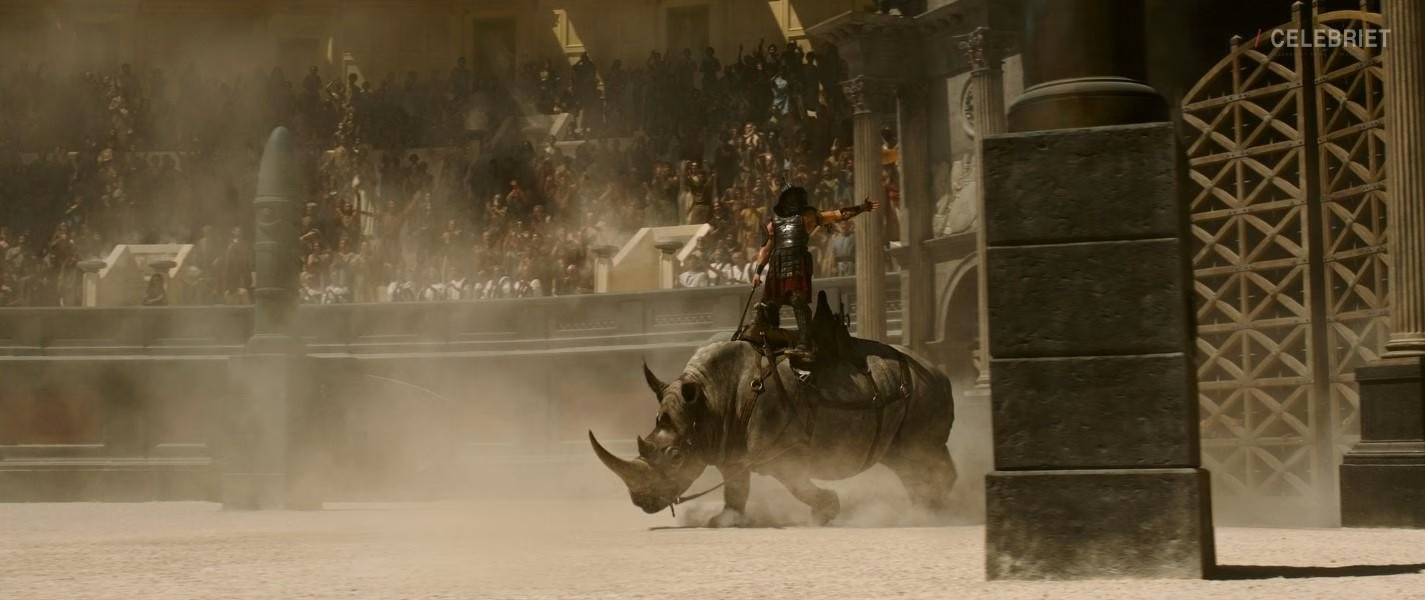
A significant part of the discussion focused on Malta, where large portions of Gladiator 2 were filmed. The Mediterranean island has long been a popular filming location because of its historic architecture, favorable climate, and experience hosting large-scale productions.
However, Malta’s summer temperatures can become extremely high, especially during daytime outdoor shoots. PETA and Animal Liberation Malta specifically cited concerns about animals working in hot conditions while wearing production-related equipment or costumes. Their letters suggested that environmental conditions should be considered when determining whether animals can safely participate in filming activities.
The production itself continued filming despite the criticism, and there has been no publicly verified evidence confirming widespread animal mistreatment on the set. Nevertheless, the allegations succeeded in drawing international attention to the issue and generating broader discussions about industry standards.
Did PETA’s Claims Change Anything?
Although PETA’s complaints generated headlines, there is no public indication that the production made major changes as a direct result of the organization’s campaign. Filming ultimately continued, and Gladiator 2 was completed and released following production delays related primarily to Hollywood labor disputes rather than animal welfare concerns.
Still, the controversy highlighted how quickly concerns about animal welfare can become part of the public conversation surrounding major studio projects. Large productions increasingly face scrutiny not only over working conditions for cast and crew but also over how animals are treated behind the scenes.
For advocacy organizations like PETA, public pressure campaigns are often intended to influence future industry practices as much as any single production. Even when allegations remain disputed, the publicity can encourage studios to review their animal use policies and consider alternatives.