Since its debut in 2004, Project Runway has served as a launchpad for emerging designers, offering industry exposure, mentorship, and financial support. However, tracking Project Runway winners where are they now reveals that success after the show varies widely.
Some winners have built influential global brands, while others have pursued quieter, niche careers or even stepped away from fashion entirely. Examined chronologically, these outcomes illustrate both the opportunities and constraints tied to reality television success.
The first winner, Jay McCarroll, immediately set a unique precedent. He declined the prize money due to contractual restrictions, opting instead for independence. His post-show career focused on teaching, costume design, and creative projects rather than building a large-scale label. This early example established a recurring theme: winning does not obligate a designer to follow a traditional commercial path.
Season 2 winner Chloe Dao took a more pragmatic direction. She built a boutique-based business in Houston, emphasizing steady income and direct client relationships. While she did not pursue global runway dominance, her approach proved sustainable, especially during periods when the broader fashion industry faced instability.
With Season 3, Jeffrey Sebelia maintained involvement in fashion but gradually transitioned toward collaborations and costume design. His trajectory highlights how some winners remain professionally active without maintaining a prominent public profile, reflecting a balance between creative work and commercial reality.
Season 4 marked a turning point with Christian Siriano, widely regarded as the franchise’s most successful graduate. Siriano built an internationally recognized brand, dressed high-profile celebrities, and later returned to the show as a mentor, replacing Tim Gunn. His success underscores the importance of combining design talent with strong branding, inclusivity, and business strategy.
Season 5 winner Leanne Marshall demonstrated the viability of niche specialization by focusing on bridal wear. This segment offers consistent demand and less volatility than seasonal collections. Similarly, Season 6 winner Irina Shabayeva sustained a career in luxury fashion, building a loyal clientele without pursuing mass-market exposure.
Season 7 winner Seth Aaron Henderson aligned his work with sustainability, anticipating a major industry shift toward environmentally conscious production. He later reinforced his reputation by winning Project Runway All Stars, demonstrating longevity beyond his original season.
A significant pivot appears with Season 8 winner Gretchen Jones. After initial success, she left fashion design and transitioned into consulting and wellness. Her career shift highlights the demanding nature of the industry and reinforces that not all winners remain in design long term. This is a critical insight when analyzing Project Runway winners, where they are now from a broader perspective.
Season 9 winner Anya Ayoung-Chee expanded her influence in Trinidad and Tobago by building a regional fashion ecosystem. Her work extends beyond personal branding into mentorship and creative entrepreneurship. Season 10 winner Dmitry Sholokhov continued refining his structured aesthetic and later won All Stars, reinforcing his credibility within the industry.

Season 11 winner Michelle Lesniak pursued an avant-garde direction, prioritizing artistic experimentation over commercial scalability. Season 12 winner Dom Streater balanced creative design with accessibility, later achieving additional recognition through All Stars. Season 13 winner Sean Kelly gained attention for innovation, particularly in textile experimentation, but has maintained a relatively low public profile since his win.
Season 14 introduced Ashley Nell Tipton as the first plus-size designer to win the competition. Her victory represented a shift toward inclusivity within the fashion industry. However, her career later moved toward personal artistic work rather than large-scale commercial production, illustrating again that visibility does not always translate into expansion.
Season 15 winner Erin Robertson leveraged her success into collaborations with major retailers, demonstrating how winners can transition into commercially viable contemporary brands. Season 16’s Kentaro Kameyama pursued a multidisciplinary approach, blending fashion with music and conceptual art, reflecting the increasingly hybrid nature of creative industries.
Season 17 winner Sebastian Grey established a strong presence in luxury womenswear, emphasizing craftsmanship and refined tailoring. Season 18 winner Geoffrey Mac focused on experimental, technology-influenced design, often intersecting with performance and entertainment.
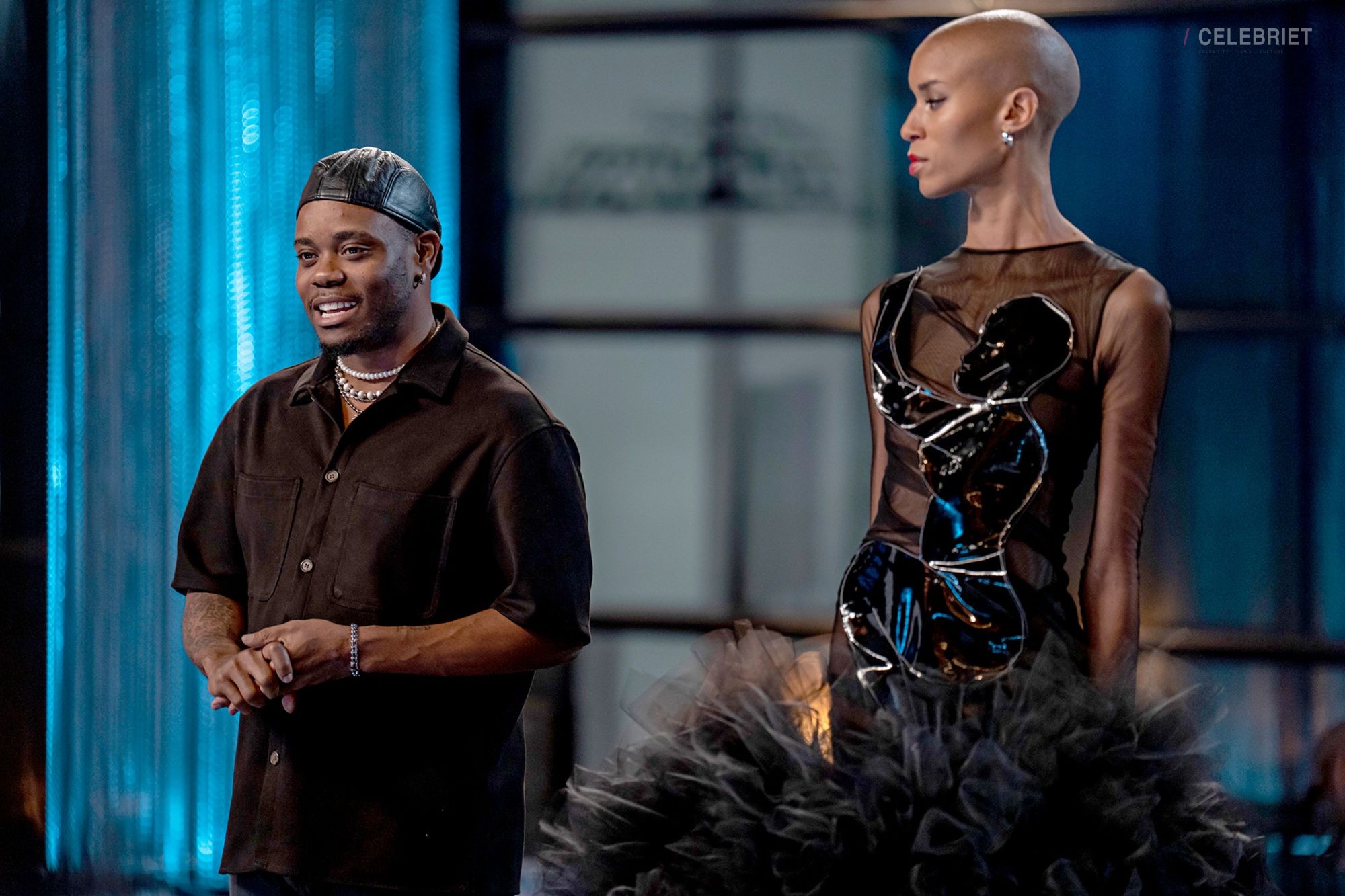
Season 19 winner Shantall Lacayo expanded her brand internationally, integrating Latin American influences into modern silhouettes. Most recently, Season 20 winner Bishme Cromartie has gained recognition for structured, narrative-driven collections, positioning himself as a designer with strong future potential.
A chronological review of Project Runway winners where they are now reveals several consistent patterns. First, the show provides significant initial exposure, but long-term success depends heavily on business execution. Designers must manage production logistics, branding, and market positioning, all of which extend beyond the scope of the competition.
Second, niche specialization often proves more sustainable than attempting to dominate the broader fashion market. Winners who focused on bridal wear, local boutiques, or consulting have maintained stable careers without the volatility associated with high fashion. Third, adaptability is critical. As the industry evolved with the rise of e-commerce and social media, later winners benefited from tools that earlier contestants did not have access to.
Finally, the definition of success itself varies. Christian Siriano represents large-scale commercial achievement, but other winners demonstrate equally valid outcomes through sustainability, artistic independence, or career reinvention. The diversity of these trajectories reflects the broader fashion ecosystem, which accommodates multiple paths rather than a single model of success.
Project Runway winners where are they now is less about identifying a single success story and more about understanding a spectrum of outcomes. Winning the competition opens doors, but what follows depends on strategic decisions, market conditions, and personal priorities.