

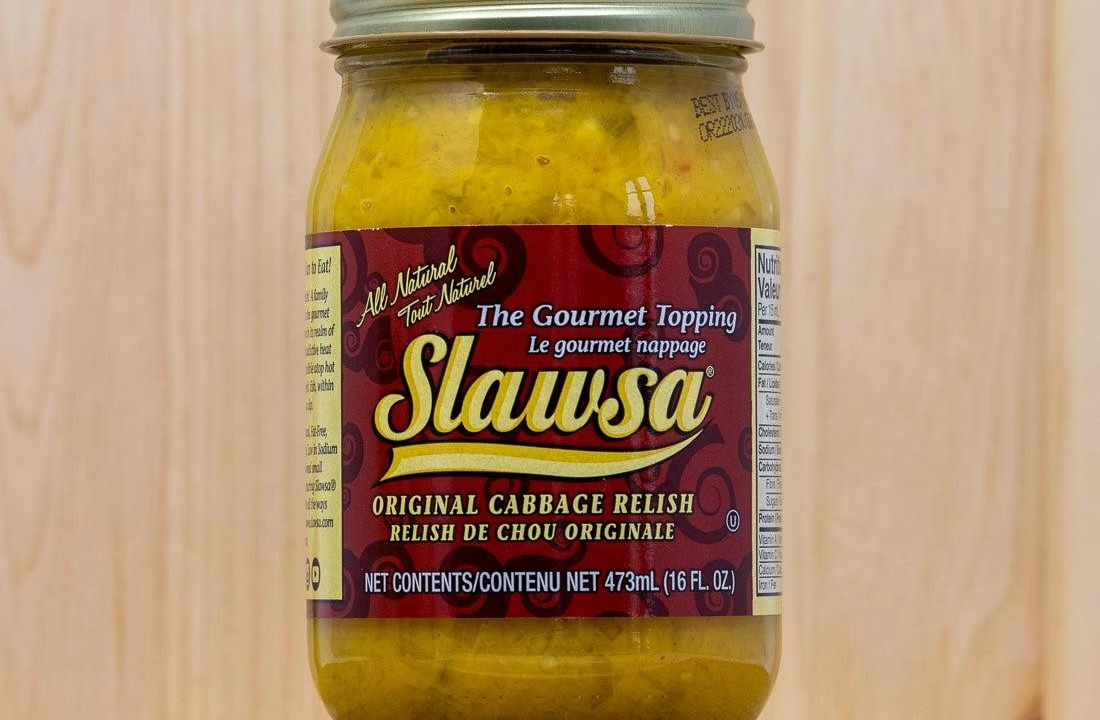
When entrepreneur Julie Busha walked into the Shark Tank in 2013, she believed she had a strong chance of securing an investment. Her product, Slawsa, was unlike anything else on the market. The condiment combined elements of coleslaw, relish, and salsa into a single topping designed for burgers, hot dogs, sandwiches, and more.
Although the Sharks praised both the product and Busha’s entrepreneurial spirit, none of them ultimately invested. For many businesses, leaving the Tank without a deal can be a major setback. Slawsa, however, proved to be one of the notable exceptions.
Over a decade later, the company is still operating, has expanded its retail footprint dramatically, and has generated millions in annual sales. This has led many viewers to ask the same questions: What is Slawsa’s net worth today, and what happened after Shark Tank? Let’s break down the company’s journey, financial growth, and current status.
What Is Slawsa?
Before discussing net worth, it’s important to understand the product itself.
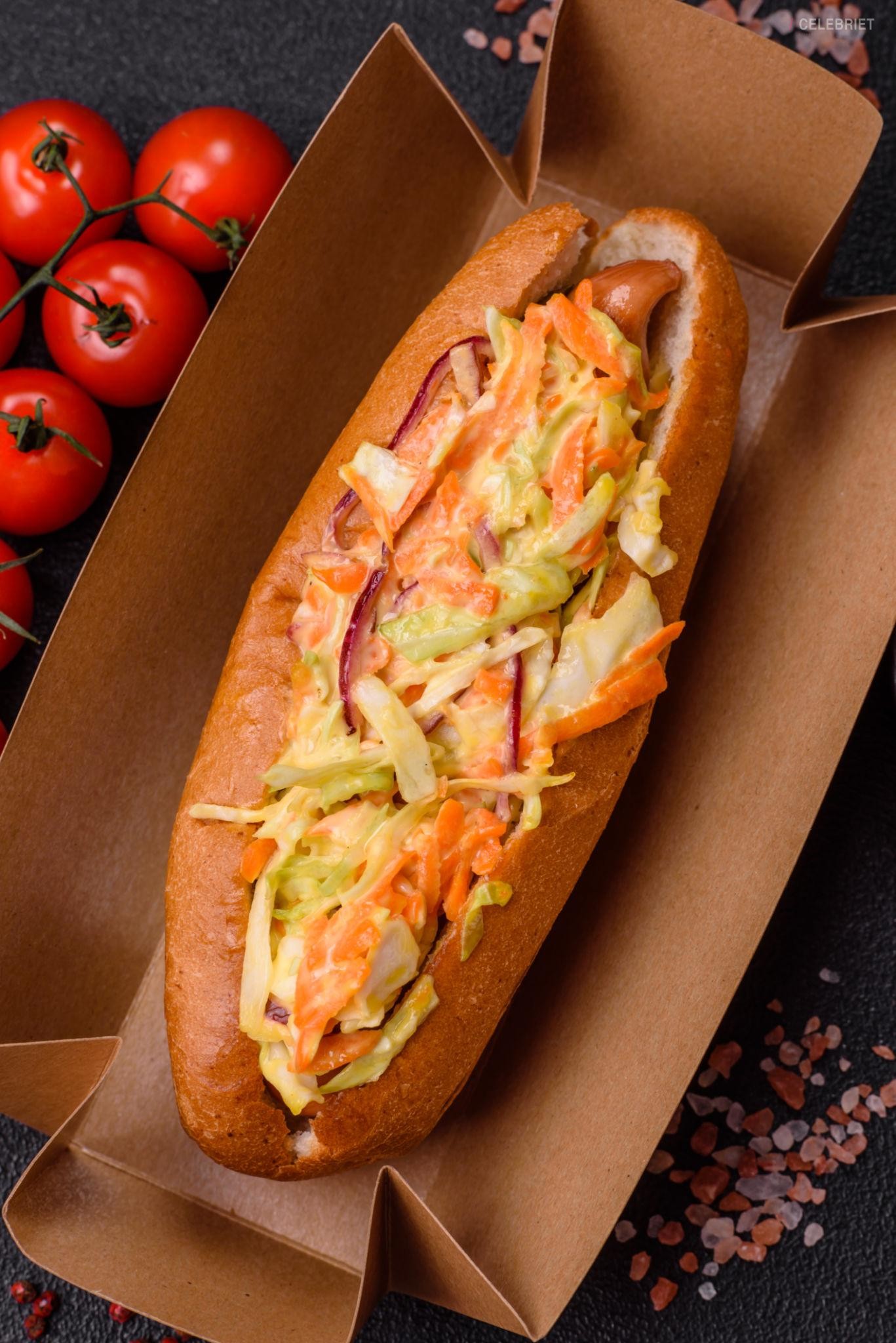
Slawsa is a cabbage-based condiment that blends characteristics of coleslaw, mustard relish, and salsa. Founder Julie Busha describes it as a “gourmet topping for everything.” The product was originally based on an old family recipe that Busha helped transform into a commercial business.
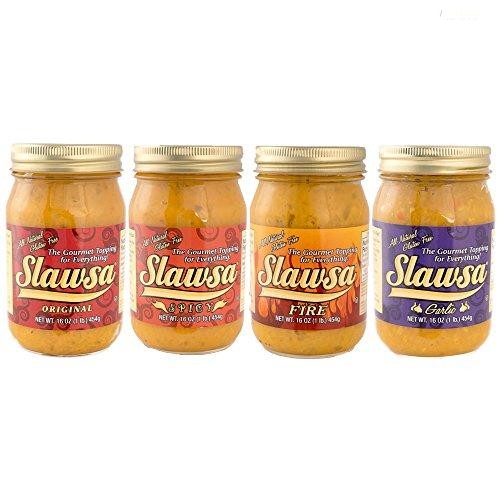
Unlike traditional relishes, Slawsa contains shredded cabbage and a mustard-vinegar base, creating a crunchy texture and distinctive flavor. Over time, the company expanded beyond its original recipe and introduced multiple varieties, including Garlic, Spicy, and Fire.
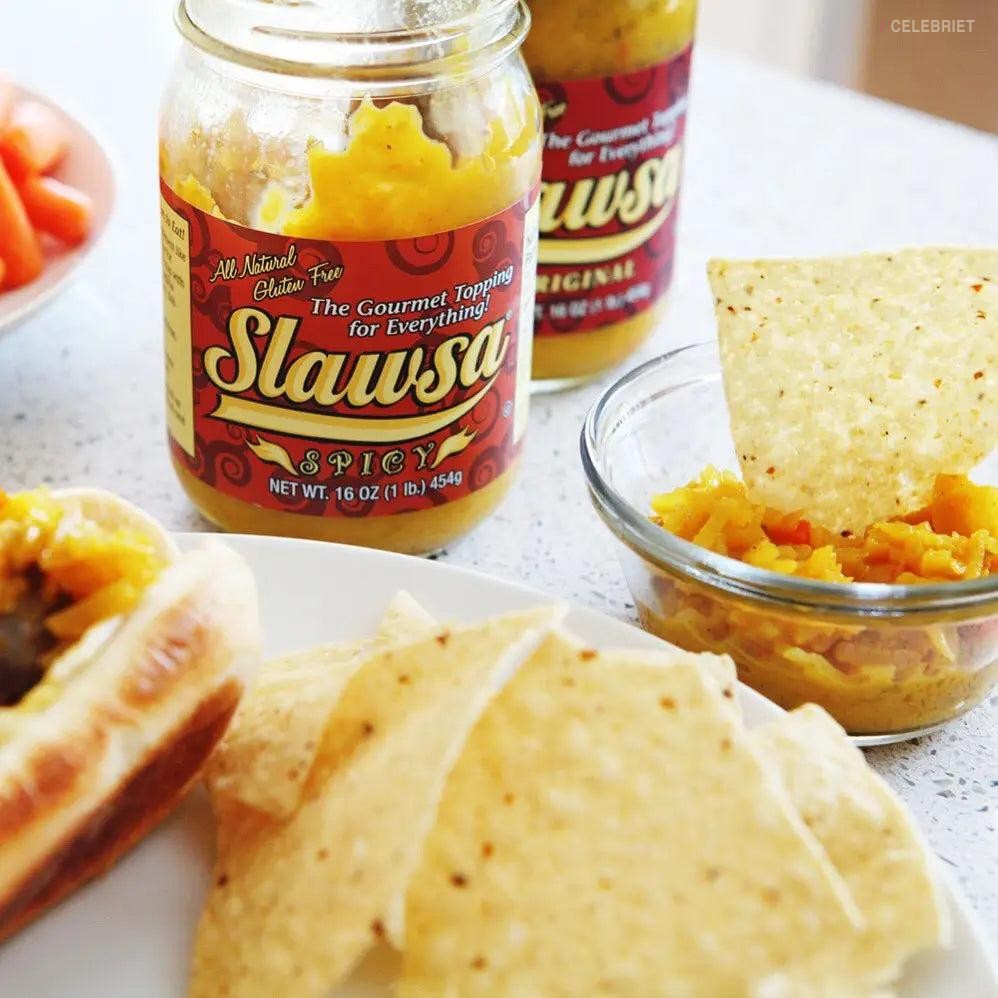
The brand positioned itself as a versatile condiment that could be used on burgers, hot dogs, tacos, sandwiches, eggs, barbecue dishes, and even as a dip. This flexibility helped differentiate it from more established condiment categories.
Slawsa’s Shark Tank Appearance
Slawsa appeared on Season 5 of Shark Tank in 2013. Julie Busha entered the Tank seeking $150,000 in exchange for a 15% stake in the business, valuing the company at approximately $1 million.
At the time of filming, the company had already achieved impressive retail distribution. Busha revealed that Slawsa was available in more than 4,000 stores across the United States, including major chains such as Kroger and Publix. She also projected significant sales growth for the business.
The Sharks generally liked the taste of the product. Several investors complimented the flavor, packaging, and branding. However, concerns emerged regarding valuation, scalability, and whether the condiment industry aligned with their investment interests.
As a result, every Shark eventually declined to invest. Despite receiving positive feedback, Busha left without a deal. It was an outcome that surprised both viewers and the entrepreneur herself.
Why the Sharks Passed on Slawsa
One of the biggest reasons the Sharks declined was the economics of the food industry.
Food products often operate on relatively thin margins compared to technology companies or licensing businesses. Investors generally need to wait longer for substantial returns, and growth requires significant distribution and manufacturing expansion.
Kevin O’Leary expressed concerns about the company’s valuation during the pitch. Other Sharks appreciated the product but felt it wasn’t a fit for their investment strategies. Mark Cuban specifically praised Busha’s discipline and entrepreneurial mindset but still chose not to invest.
The rejection was particularly surprising because Slawsa already had substantial retail traction before appearing on the show. Unlike many Shark Tank businesses that are still in the startup phase, Slawsa had demonstrated proven demand and national distribution.
Looking back, the Sharks’ decision has often been cited by fans as one of the more questionable missed opportunities in the show’s history.

The Immediate Impact of Shark Tank
Although Busha didn’t secure funding, the television exposure provided significant benefits.
According to Busha, she wasn’t even certain her segment would air. When the episode finally premiered, consumer interest surged. The Slawsa brand received widespread attention across social media, and the company experienced increased awareness among shoppers and retailers.
This exposure helped fuel continued expansion. Instead of slowing down after the rejection, the company accelerated its growth strategy. Busha leveraged her extensive marketing background to capitalize on the publicity generated by the show.
Her experience in marketing, including previous work in NASCAR-related promotions, played a crucial role in helping the company build momentum without outside investors.
The Shark Tank appearance ultimately became more of a marketing catalyst than an investment opportunity.
How Slawsa Expanded After Shark Tank
One of the clearest indicators of Slawsa’s success is its retail growth.
At the time of its Shark Tank appearance, the company reported placement in approximately 4,200 stores. Over the following years, that figure expanded dramatically. Multiple reports indicate that Slawsa eventually reached more than 8,000 stores, restaurants, stadiums, and retail locations throughout North America.
The company also expanded beyond traditional grocery stores. Slawsa products appeared in restaurants, sporting venues, and specialty food locations. According to reports, the brand even secured placement in major league baseball stadiums.
International growth became another important milestone. Slawsa products eventually became available not only in the United States but also in markets including Canada, Australia, and Germany.
This wider distribution helped transform Slawsa from a niche condiment into a recognizable specialty food brand.
Slawsa Revenue Growth
Revenue figures provide some of the strongest evidence of Slawsa’s post-Shark Tank success.
During the Shark Tank pitch, Julie Busha disclosed first-year sales of approximately $212,000 and projected second-year revenue of around $500,000. These numbers were already impressive for a relatively young food business.
However, the company continued growing at a much larger scale after the show aired. According to updates published by Shark Tank-focused business trackers, Slawsa reached approximately $5 million in annual revenue by 2022.
For a bootstrapped food brand that never received Shark investment, reaching multi-million-dollar annual sales is a significant achievement. It demonstrates that the business succeeded in building sustainable demand and maintaining retailer relationships over time.
Revenue figures alone do not determine net worth, but they provide a strong foundation for estimating company value.
Slawsa Net Worth Estimate in 2026
Because Slawsa is a privately held company, exact financial statements and valuations are not publicly available.
However, business analysts often estimate private company values using annual revenue multiples. Specialty food brands frequently sell for anywhere between one and three times annual revenue, depending on profitability, growth rate, market position, and distribution strength.
Given reported annual revenue of approximately $5 million and the company’s continued operation, Slawsa’s estimated business valuation likely falls somewhere between $5 million and $15 million. This range is speculative because the company has not publicly disclosed its financial details.
A conservative estimate would place Slawsa’s net worth around $5 million to $10 million, while a more optimistic valuation could be higher depending on profitability and future growth opportunities.
Regardless of the exact figure, the company is worth substantially more than the $1 million valuation presented during the Shark Tank pitch.
Julie Busha’s Role in Slawsa’s Success
The story of Slawsa is closely tied to the leadership of Julie Busha.
Before entering the food industry, Busha built a career in marketing. Those skills became one of the company’s greatest assets. Rather than relying solely on product quality, she focused heavily on branding, retailer relationships, publicity, and consumer education.
This approach proved particularly important because Slawsa occupied a unique category. Consumers often needed an explanation of what the product actually was before trying it. Busha’s marketing expertise helped bridge that gap and communicate the condiment’s value proposition.
Industry observers frequently point to her persistence as another major factor in the company’s success. Even after being rejected by the Sharks and facing challenges common to food startups, she continued expanding distribution and growing the brand.
Her story has become an example often cited in entrepreneurial circles about the importance of perseverance.
Is Slawsa Still in Business?
Yes, Slawsa is still in business as of 2026. The company continues selling products through retail stores, online channels, and various food-service locations. Recent reports confirm that the brand remains active and continues to expand its market presence.
The official company website remains operational and promotes multiple product varieties. The business also maintains an active presence on social media, where it regularly shares recipes, retailer updates, and promotional content.
Unlike many food startups that disappear within a few years, Slawsa has demonstrated remarkable longevity. More than a decade after its Shark Tank appearance, the company continues serving customers and growing its distribution network. That level of staying power is relatively rare in the highly competitive condiment industry.
Slawsa’s Shark Tank journey serves as a reminder that leaving the Tank without a deal does not necessarily mean failure. In fact, the company’s story demonstrates the opposite.
Founder Julie Busha entered Shark Tank seeking a $150,000 investment and left empty-handed. Yet over the years, she transformed Slawsa into a nationally distributed food brand available in more than 8,000 locations. The company reportedly reached $5 million in annual revenue and continues operating successfully today.
While the exact valuation remains private, estimates suggest that Slawsa’s net worth is likely several times higher than the $1 million valuation presented on Shark Tank. The company’s growth highlights the power of strong branding, strategic distribution, and entrepreneurial determination.
For Shark Tank fans looking for one of the show’s most successful “no-deal” stories, Slawsa remains an impressive example of how rejection can sometimes become the beginning of a much larger success story.