The ongoing conflict between the federal government and the state of Texas over immigration enforcement reached a critical turning point when the Supreme Court of the United States allowed federal authorities to remove razor wire barriers installed along the southern border. The dispute, involving the administration of Joe Biden and Texas Governor Greg Abbott, has become one of the most closely watched legal battles in recent U.S. politics.
At the center of the issue is Texas’ decision to install razor wire fencing along parts of the U.S.–Mexico border as part of its broader border security initiative. Federal officials argued that the barriers interfered with their duties, including the ability of border agents to respond to emergencies and enforce immigration law. The Supreme Court’s decision did not fully resolve the case but allowed federal agents to remove the wire while legal proceedings continue.
This development has intensified debates about immigration policy, federal versus state authority, and the limits of executive power. Let’s break down what happened, why it matters, and what comes next.
Background: Texas Border Policies and Operation Lone Star
The conflict originates from Texas’ aggressive approach to border enforcement under Governor Greg Abbott. In response to rising migrant crossings, Texas launched Operation Lone Star, a state-level initiative aimed at curbing illegal immigration.
Operation Lone Star included deploying state law enforcement, National Guard troops, and physical barriers such as razor wire fencing along the border. Texas officials argued that the federal government had failed to secure the border, forcing the state to take independent action.
The razor wire installations became a visible symbol of this policy. They were placed in key areas along the Rio Grande, particularly near high-traffic crossing points.
While Texas framed the effort as necessary for public safety and border control, critics argued that such measures could endanger migrants and obstruct federal operations. This disagreement set the stage for legal confrontation.
Federal Government’s Argument
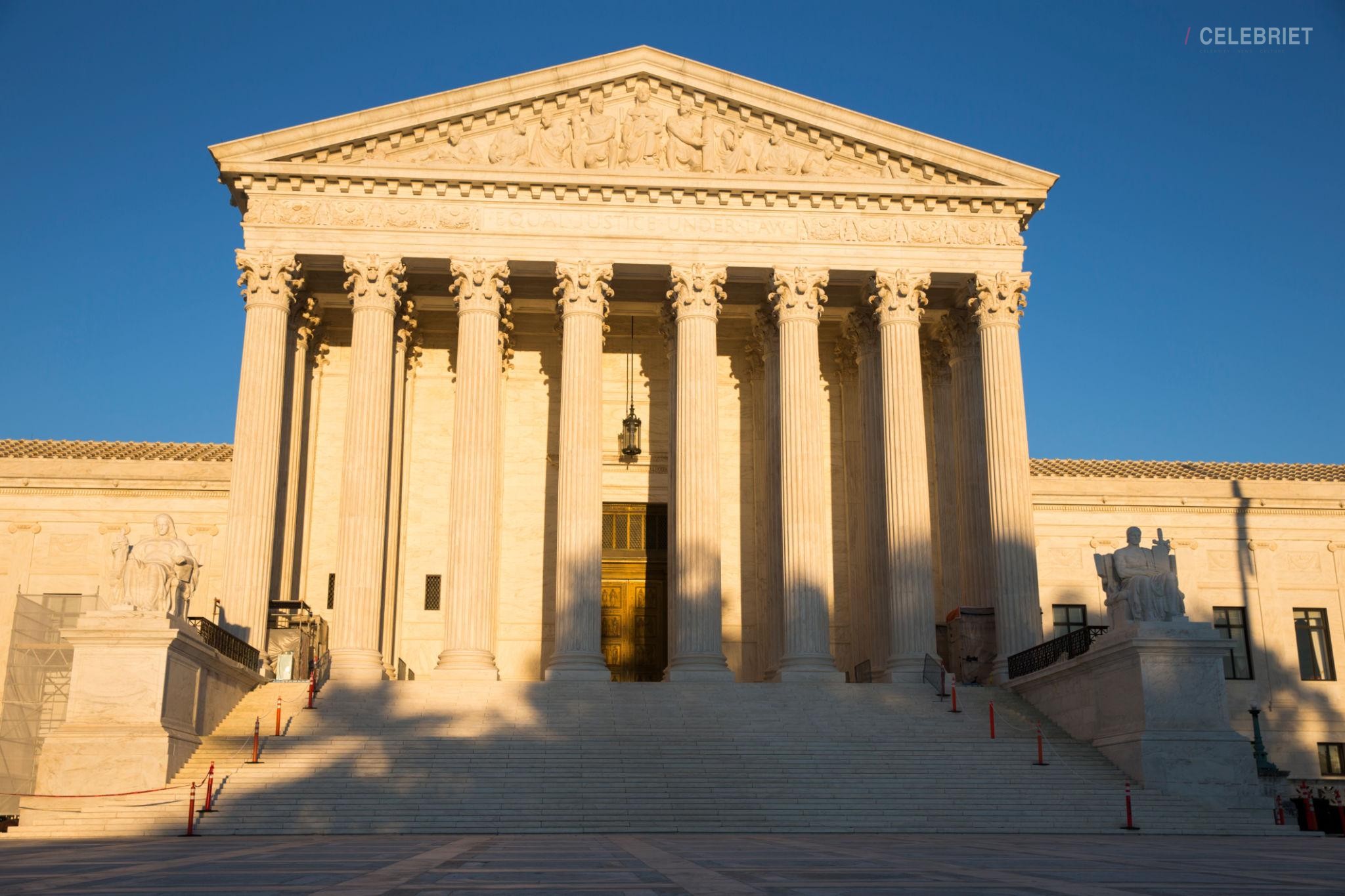
The federal government, under President Joe Biden, challenged Texas’ actions in court. Federal officials argued that immigration enforcement is primarily a federal responsibility under the U.S. Constitution.
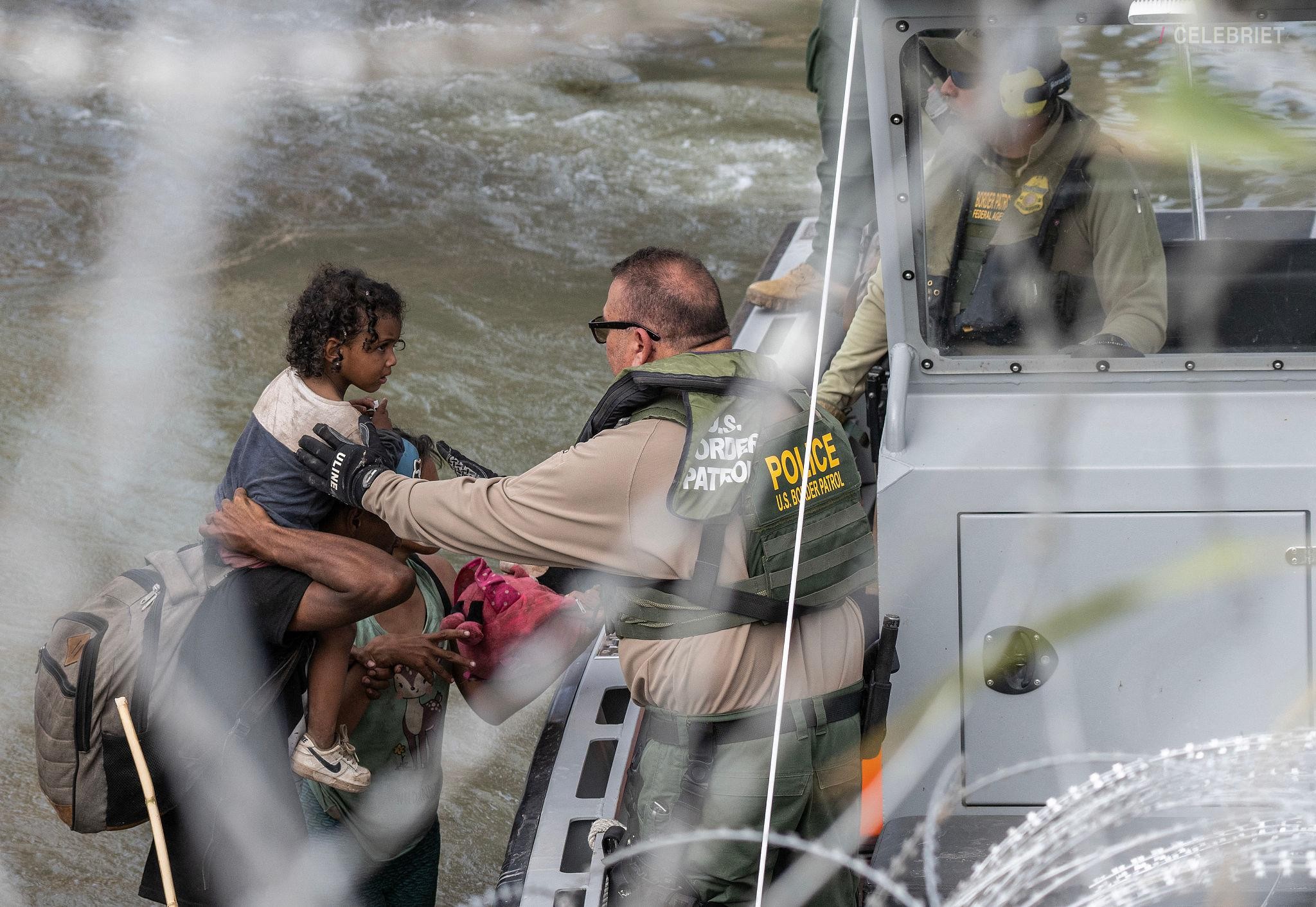
According to the administration, the razor wire created significant obstacles for U.S. Border Patrol agents. Officials stated that the barriers prevented agents from reaching migrants in distress, including those at risk of drowning in the Rio Grande.
Federal lawyers emphasized that the wire interfered with their ability to carry out lawful duties. They also argued that federal law supersedes state actions in matters related to immigration and border control.
This legal argument is rooted in the Supremacy Clause of the Constitution, which establishes that federal law takes precedence over conflicting state laws. The Biden administration relied heavily on this principle in its case.
Texas’ Defense and Abbott’s Position
Governor Greg Abbott strongly defended Texas’ actions, arguing that the state had the right to protect its borders. He framed the situation as a failure of federal leadership, stating that Texas was stepping in where the federal government had not acted effectively.
Abbott and Texas officials argued that the razor wire was necessary to deter illegal crossings and reduce crime. They also claimed that the barriers were part of a broader effort to maintain order along the border.
Texas’ legal argument focused on the idea that states have the authority to act in self-defense when faced with what they described as an “invasion.” This interpretation of state power has been widely debated among legal experts.
The state also criticized federal authorities for removing barriers, claiming that doing so undermined border security efforts. This clash between state and federal priorities escalated tensions significantly.
The Supreme Court’s Decision Explained
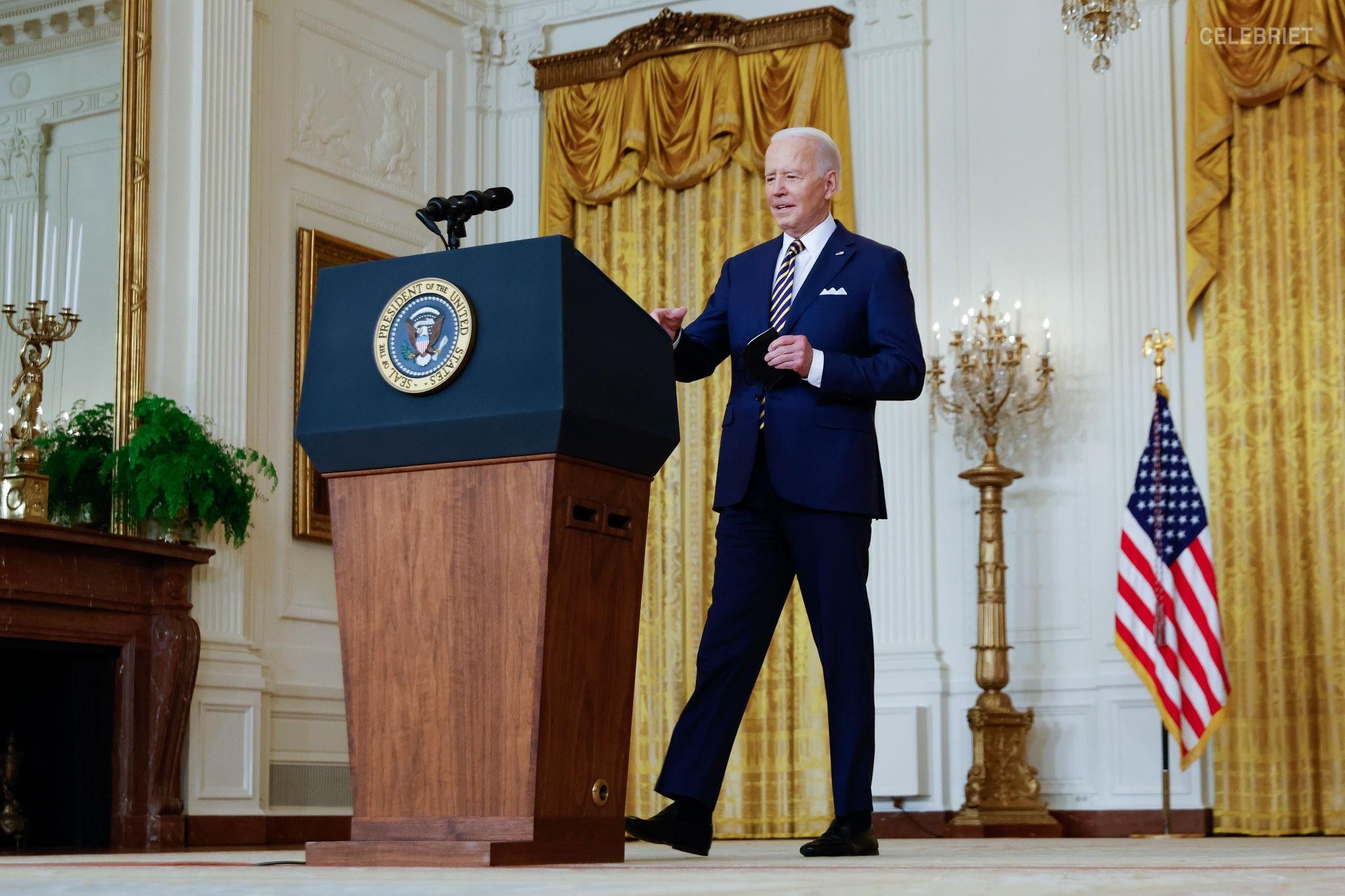
The Supreme Court’s involvement came after lower courts issued conflicting rulings on whether federal agents could remove the razor wire. The case quickly moved to the nation’s highest court due to its urgency and national implications.
In a temporary order, the Supreme Court allowed federal agents to remove or cut the razor wire while the legal battle continues. This decision effectively sided with the federal government in the short term.
However, it is important to note that the Court did not issue a final ruling on the broader legal questions. Instead, it addressed the immediate issue of whether federal agents could act while litigation proceeds.
The decision highlighted the Court’s willingness to prioritize federal authority in this context, at least temporarily. It also signaled that the legal fight over border policy is far from over.
Legal Implications of the Ruling
The Supreme Court’s decision has significant legal implications, particularly regarding the balance of power between states and the federal government.
At its core, the case raises questions about how far states can go in enforcing their own immigration policies. While states have certain rights, immigration enforcement has traditionally been a federal responsibility.
Legal experts have pointed out that allowing states to independently enforce border policies could create inconsistencies across the country. It could also complicate federal efforts to manage immigration uniformly.
The ruling reinforces the idea that federal authority remains dominant in immigration matters. However, the ongoing legal battle means that final answers have yet to be determined.
This case could ultimately set an important precedent for future disputes between states and the federal government.
Political Reactions and Public Response
The Supreme Court’s decision sparked strong reactions from political leaders on both sides of the debate.
Supporters of the Biden administration praised the ruling as a necessary step to ensure that federal agents can perform their duties without obstruction. They emphasized the importance of maintaining a unified national immigration policy.
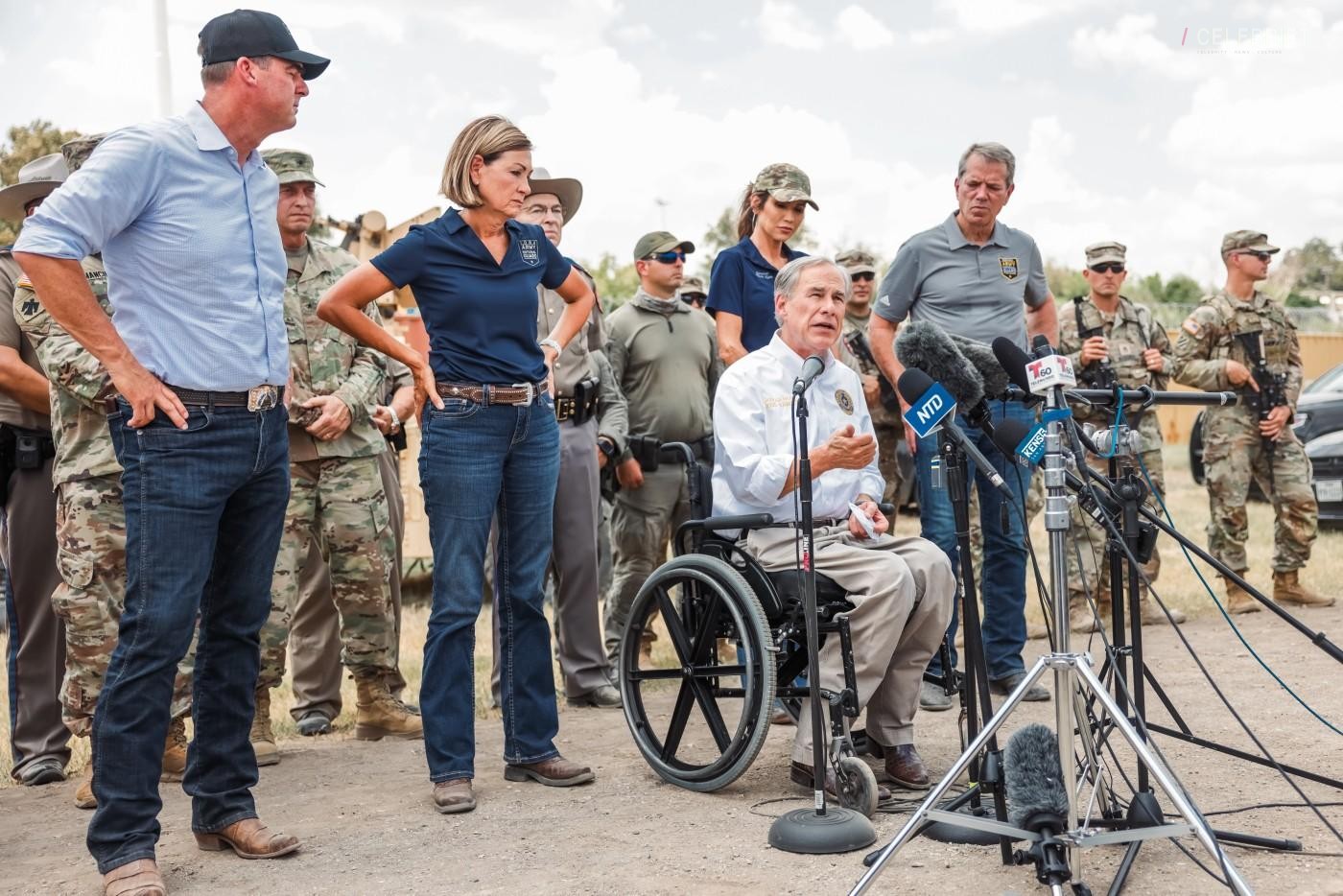
On the other hand, Texas officials and their allies criticized the decision. Governor Abbott and other Republican leaders argued that the ruling undermines state efforts to secure the border.
Public opinion remains divided, reflecting broader national debates about immigration policy. Some Americans support stricter border enforcement, while others prioritize humanitarian considerations.
The issue has become a central topic in political discourse, particularly as immigration continues to be a key issue in national elections.
Humanitarian Concerns and Safety Issues
Beyond legal and political arguments, the razor wire controversy has raised serious humanitarian concerns.
Advocacy groups have argued that the barriers pose risks to migrants attempting to cross the border. Reports have highlighted instances where individuals were injured by the wire or prevented from reaching safety.
Federal officials have also emphasized that the barriers hinder rescue operations. Border Patrol agents have stated that quick access to migrants is often necessary to prevent tragedies.
Supporters of Texas’ policies argue that deterrence can ultimately reduce dangerous crossings. However, critics contend that such measures may push migrants into more hazardous routes.
The humanitarian dimension of the issue adds complexity to an already contentious debate.
What Happens Next?
The Supreme Court’s decision is only a temporary measure, meaning the legal battle is still ongoing.
Lower courts will continue to examine the broader constitutional questions raised by the case. Eventually, the issue could return to the Supreme Court for a final ruling.
In the meantime, tensions between Texas and the federal government are likely to continue. Both sides have shown little willingness to back down from their positions.
The outcome of this case could have long-term implications for U.S. immigration policy. It may also influence how states interact with federal authority in other areas.
Observers will be closely watching how the situation develops in the coming months.
Why This Case Matters for the Future of U.S. Immigration Policy
The dispute between the Biden administration and Texas goes beyond razor wire and border barriers.
It represents a broader struggle over how immigration policy should be enforced and who has the authority to make those decisions. As immigration remains a central issue in American politics, cases like this are likely to shape future policies.
The Supreme Court’s involvement underscores the importance of constitutional interpretation in resolving such conflicts. Decisions made in this case could influence similar disputes across the country.
For policymakers, the case highlights the challenges of balancing security, legality, and humanitarian concerns. For the public, it provides insight into how government institutions address complex national issues.
Ultimately, the outcome of this legal battle will play a key role in defining the future of U.S. border policy.
The Supreme Court’s decision to allow the removal of Texas border razor wire marks a significant moment in the ongoing dispute between the Biden administration and Governor Greg Abbott. While the ruling does not settle the broader legal questions, it reinforces federal authority in the short term and allows border agents to carry out their duties.
The case highlights the complexities of immigration policy, including legal authority, political priorities, and humanitarian considerations. As the legal process continues, the final outcome could have far-reaching consequences for the balance of power between states and the federal government.

For now, the razor wire dispute remains a symbol of a larger national debate. Whether through court rulings or political action, the resolution of this conflict will shape the future of immigration enforcement in the United States.
The dispute also reflects a growing trend of states taking more assertive roles in areas traditionally managed by the federal government. In recent years, issues like immigration, environmental policy, and public health have increasingly become battlegrounds for state versus federal authority.
The Texas razor wire case fits into this broader pattern, where states test the limits of their power in response to national policies they oppose. As similar conflicts emerge across different sectors, the outcome of this case could influence how aggressively states pursue independent action in the future, making it a pivotal moment beyond just border security.