
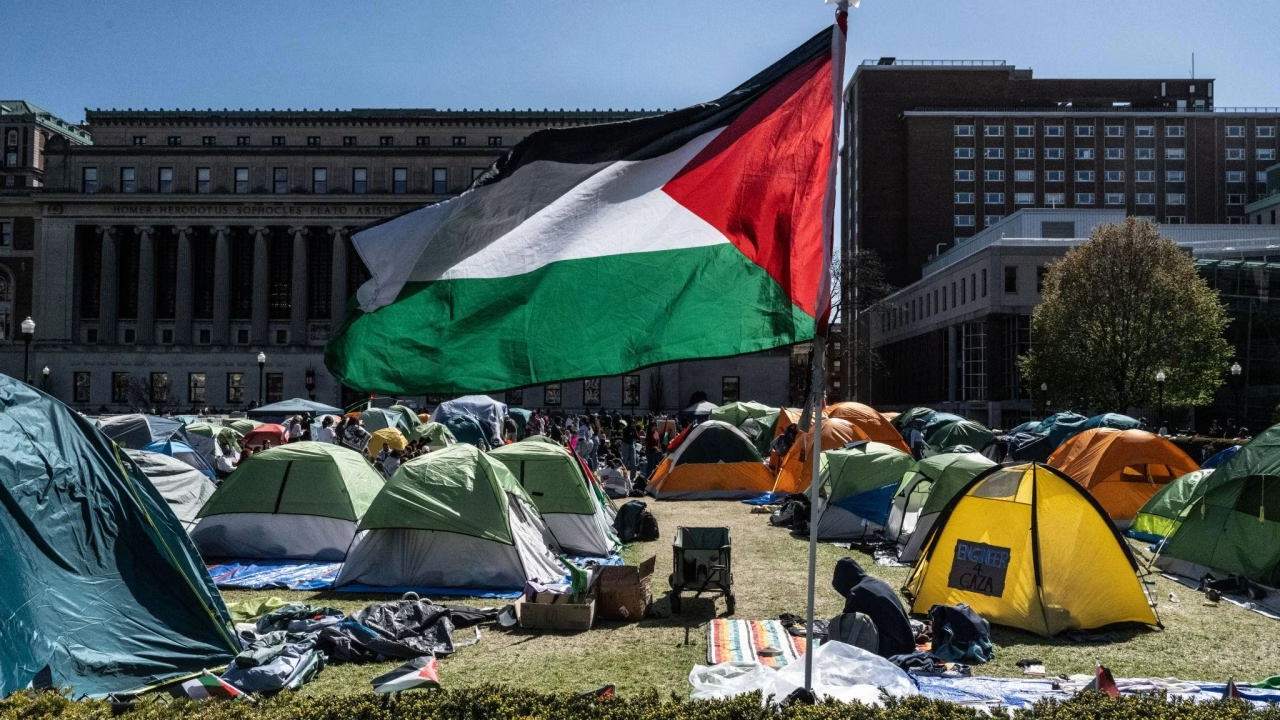
Pro-Palestinian protests have surged across major universities in the United States, transforming campuses into focal points of political expression and conflict. What began as student-led demonstrations calling for a ceasefire in Gaza and divestment from companies linked to Israel has, in many cases, escalated into confrontations involving university administrations and law enforcement. Institutions such as Columbia University and University of California have become central to the unfolding situation, drawing national and international attention.
These protests reflect broader tensions tied to the ongoing Israel–Hamas conflict, but they have also sparked debates about academic freedom, student rights, and campus safety. As universities attempt to balance free expression with order, the situation has grown increasingly complex. Understanding what is happening requires examining the causes, responses, and implications of these protests across U.S. campuses.
What Sparked the Protests?
The protests are largely tied to the ongoing conflict in Gaza, which has intensified global political activism. Students across U.S. campuses have organized demonstrations in support of Palestinian civilians, calling for an end to violence and greater accountability from governments and institutions.
Many student groups have demanded that universities divest from companies they believe are linked to Israeli military operations. This demand echoes past campus movements, including anti-apartheid protests and fossil fuel divestment campaigns.
Social media has played a major role in mobilizing students. Information about protests, sit-ins, and encampments has spread rapidly, allowing demonstrations to grow quickly and attract national attention.
While the core message of the protests is centered on human rights and foreign policy, the scale and intensity have varied significantly across campuses.
Encampments and Campus Disruptions
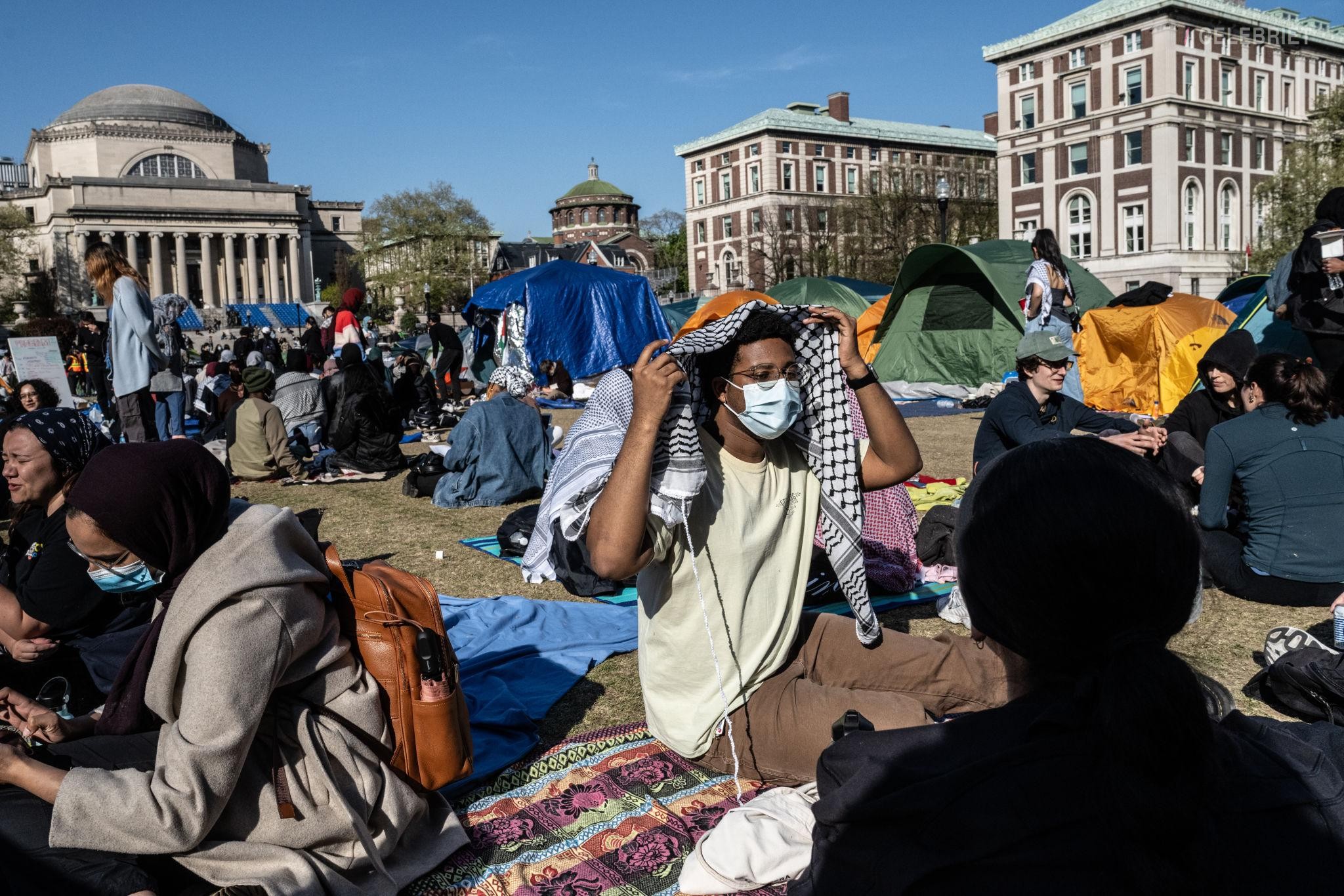
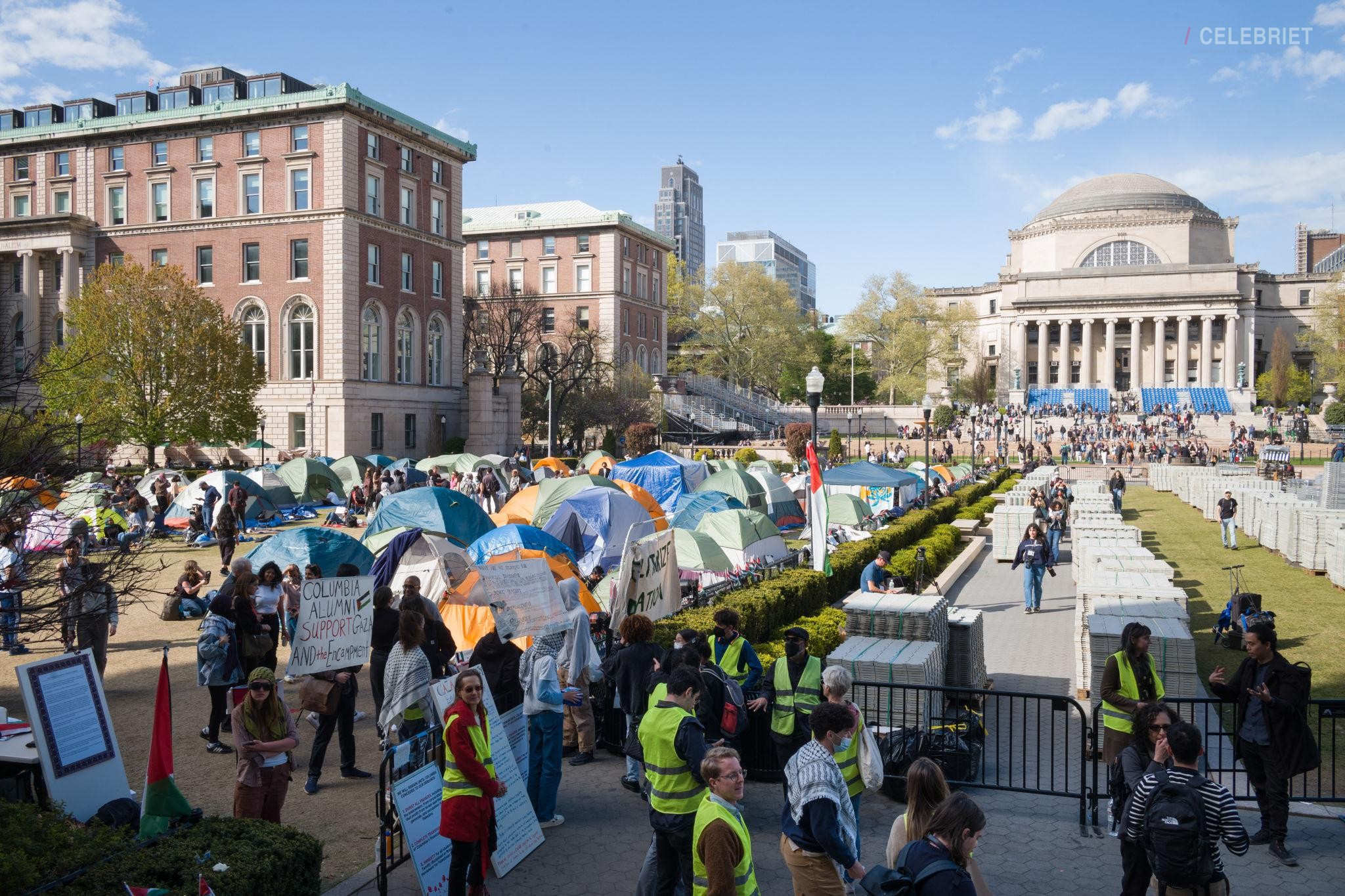
One of the most visible features of the protests has been the establishment of student encampments. These tent-based protest zones have appeared on campuses, symbolizing long-term occupation and resistance.
At Columbia University, one of the earliest and most high-profile encampments drew significant media coverage. Students set up tents and refused to leave until their demands were addressed, leading to escalating tensions with university officials.
Encampments have disrupted normal campus operations in some cases. Classes have been relocated, events canceled, and access to certain areas restricted due to safety concerns.
Supporters argue that such actions are a legitimate form of protest. Critics, however, say the disruptions interfere with academic activities and create an unsafe environment.
University Responses and Crackdowns
University administrations have responded in different ways, ranging from negotiation to enforcement measures.
Some institutions initially attempted to engage with student leaders through dialogue. However, as protests grew larger and more disruptive, many universities began imposing stricter rules.
In several cases, universities called in law enforcement to clear encampments. Arrests were made at multiple campuses, including Columbia and others, marking a significant escalation.
Administrators have defended these actions by citing concerns about safety, property damage, and the need to maintain order. They argue that while free speech is protected, it must not disrupt the functioning of the institution.
These crackdowns have, in turn, fueled further protests and criticism from students and advocacy groups.
Free Speech vs Campus Safety Debate
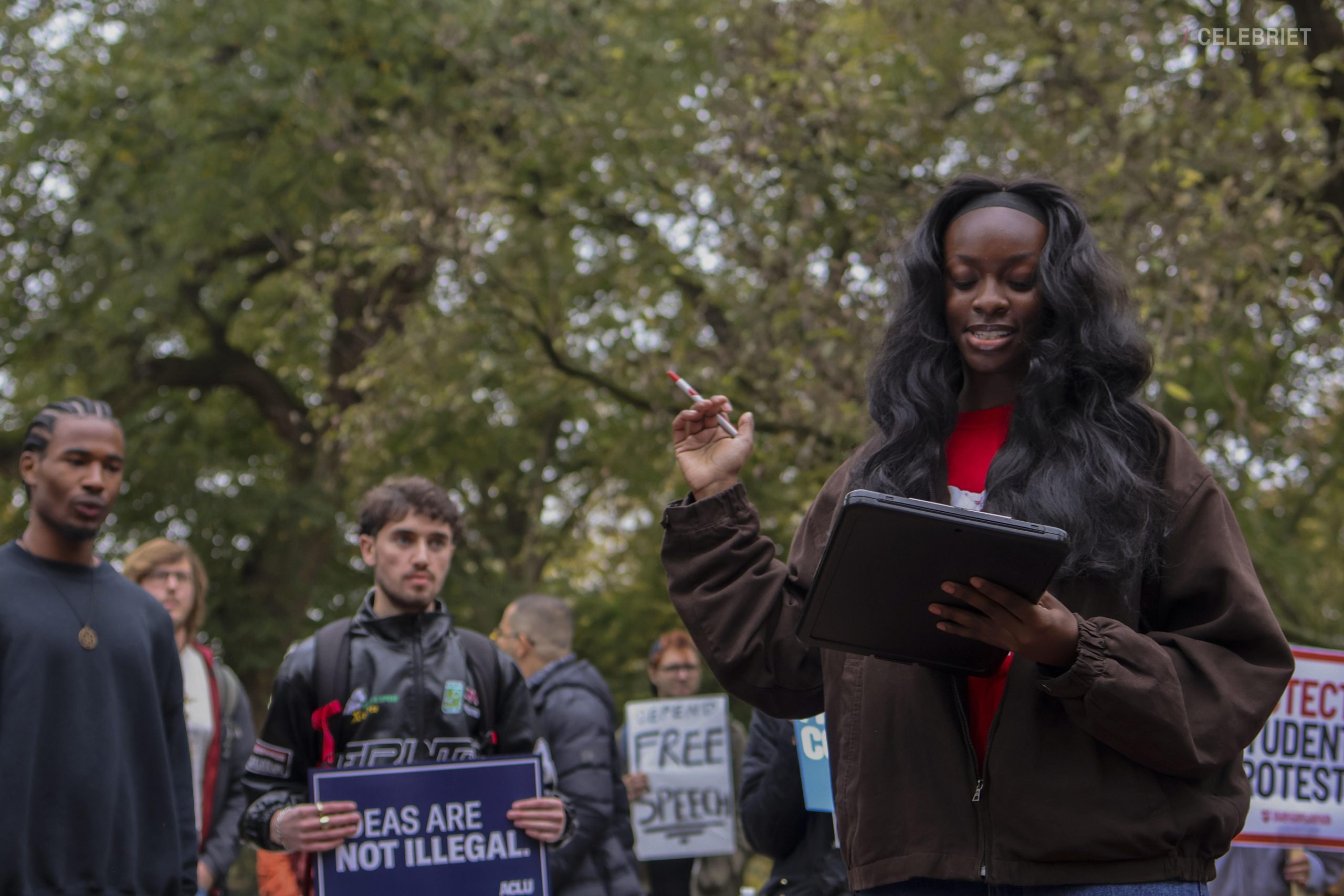
At the heart of the controversy is a broader debate about free speech on college campuses.
Protesters argue that universities should be spaces for open dialogue and political expression. They see their actions as part of a long tradition of student activism that has historically driven social change.
University officials, on the other hand, emphasize the importance of maintaining a safe and inclusive environment for all students. They point to incidents of harassment, clashes, and heightened tensions as reasons for intervention.
This tension between free speech and safety is not new, but the scale of the current protests has brought it into sharper focus. Legal experts have noted that universities must navigate complex rules regarding First Amendment rights and institutional policies.
The outcome of this debate could shape how future protests are handled across campuses.
Political and National Reactions
The protests have quickly become a national political issue, drawing responses from lawmakers, advocacy groups, and public figures.
Some political leaders have expressed support for the students’ right to protest, emphasizing the importance of free speech. Others have criticized the demonstrations, particularly when they involve disruptions or confrontations.
The Biden administration has also weighed in, calling for peaceful protest while condemning violence and antisemitism. Officials have urged universities to uphold both safety and free expression.
Media coverage has further amplified the issue, with different outlets highlighting various aspects of the protests. This has contributed to a polarized public response.
The situation on campuses is now part of a broader national conversation about politics, activism, and education.
Impact on Students and Campus Life
The protests have had a significant impact on daily life at affected universities.
Students have reported disruptions to classes, limited access to campus facilities, and increased security presence. For some, the protests have created an atmosphere of tension and uncertainty.
At the same time, many students have found a sense of community and purpose through activism. Participating in protests has allowed them to engage with global issues and express their views.
Faculty members have also been affected, with some supporting the protests and others raising concerns about academic disruptions.
The long-term impact on campus culture remains uncertain, but it is clear that these events have left a lasting impression.
What Happens Next?
As protests continue, universities face the challenge of finding a sustainable path forward. Some institutions are exploring policy changes, including clearer guidelines for demonstrations and improved communication with student groups. Others are focusing on restoring normal operations while addressing concerns raised by protesters.
Legal challenges may also arise, particularly in cases involving arrests or disciplinary actions. These could further shape the terrain of campus activism.
The situation is likely to evolve as the broader geopolitical context changes. Developments in the Israel–Hamas conflict could influence the direction and intensity of protests. For now, campuses remain a key arena for political expression and debate.
The surge in pro-Palestinian protests across U.S. universities highlights the powerful role of student activism in shaping public discourse. What began as demonstrations over international conflict has evolved into a complex issue involving free speech, safety, and institutional authority.
Universities are now steering difficult decisions about how to balance these competing priorities. Their responses will not only affect current students but also set precedents for future activism.
As tensions continue, the situation serves as a reminder of the challenges faced by educational institutions in a politically charged environment. Whether through dialogue or policy changes, the way forward will require careful consideration of both rights and responsibilities.