The Owl House Season 3 arrives with a unique challenge. Unlike a standard full-length season, the final chapter of this beloved animated series unfolds through a set of extended special episodes. That shift alone makes expectations complicated. Fans are not just looking for another adventure. They are hoping for a meaningful and satisfying conclusion to Luz’s journey, the fate of the Boiling Isles, and the emotional arcs of characters they have grown attached to over the years.
Season 3 carries the weight of wrapping up a rich story under tighter constraints, and that tension is visible from the very beginning. The result is a finale that feels both ambitious and rushed at times. Still, it manages to deliver emotional payoff, strong character moments, and a clear thematic message about identity, belonging, and found family. Let’s break down how Season 3 performs as a conclusion and whether it lives up to expectations.
A Different Structure That Changes the Pace
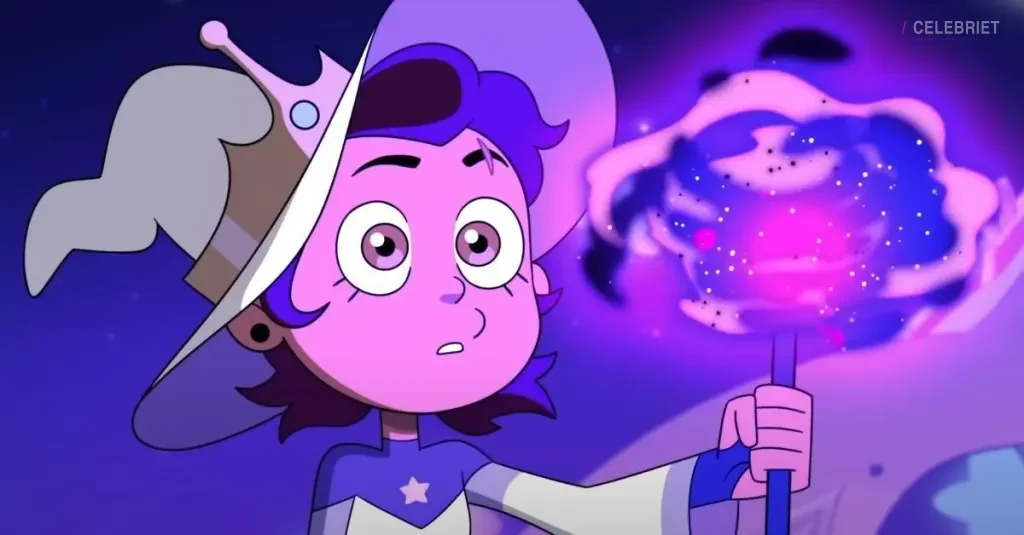
Season 3 does not follow the traditional episodic format seen in earlier seasons. Instead, it is divided into three special-length episodes that function more like mini-movies than standard installments.
This format immediately impacts pacing. The story moves quickly, often jumping between major developments without the breathing room that fans were used to. Important emotional beats sometimes arrive faster than expected, and certain subplots feel compressed.
However, this structure also brings advantages. The narrative feels more focused, with less filler and a stronger sense of urgency. Every scene pushes the story forward, creating a consistent momentum that suits the high-stakes nature of the finale.
While some viewers may feel that the shortened format limits depth, it also ensures that the core story remains intact and reaches a definitive conclusion.
At the heart of Season 3 is Luz, whose journey comes full circle in a way that feels earned. From the beginning, her story has been about self-discovery, acceptance, and finding a place where she belongs.
The final season leans heavily into these themes. Luz is forced to confront her fears, her past decisions, and the impact she has had on others. Her growth is not just about becoming stronger but about understanding herself more deeply.
What stands out most is how emotionally grounded her arc remains. Even as the stakes escalate, the story never loses sight of the personal struggles that define her character.
By the end, Luz’s journey feels complete. The resolution ties back to the core themes of the series, reinforcing the idea that identity is something you shape rather than something you are given.
One of the biggest concerns going into Season 3 was whether the supporting cast would get enough attention. With a shorter runtime, it seemed likely that some characters would be sidelined.
Surprisingly, the show manages to give meaningful moments to several key characters. Relationships are given closure, and emotional arcs are resolved in ways that feel satisfying, even if brief.
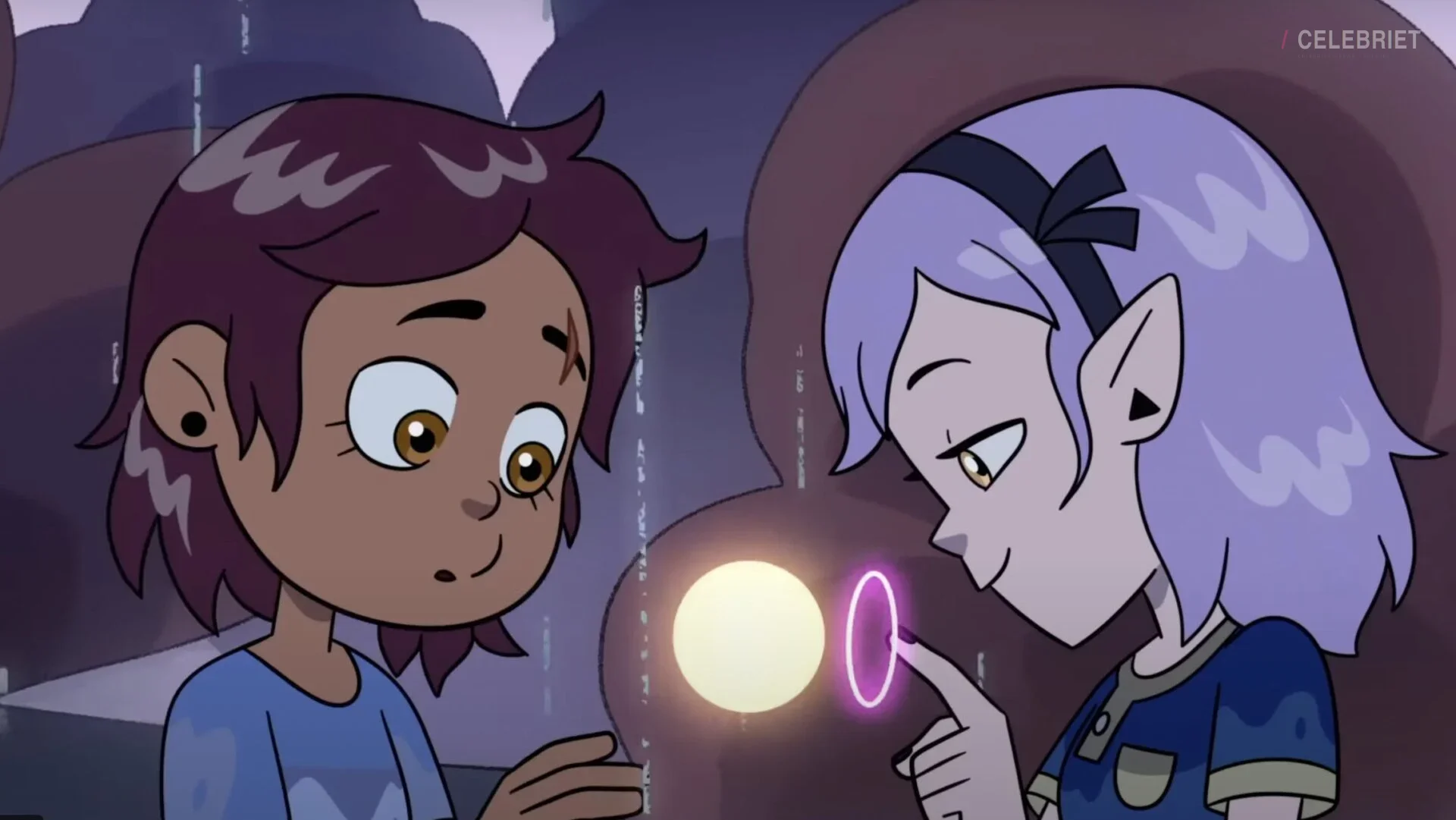
The dynamic between Luz and Amity continues to be a highlight. Their relationship remains central to the story and is handled with care, providing both emotional depth and a sense of stability amid the chaos.
Other characters also receive moments that reinforce their importance to the overall narrative. While not every arc gets the same level of detail as in previous seasons, the show prioritizes emotional payoff over extensive development.
The Villain and the Final Conflict
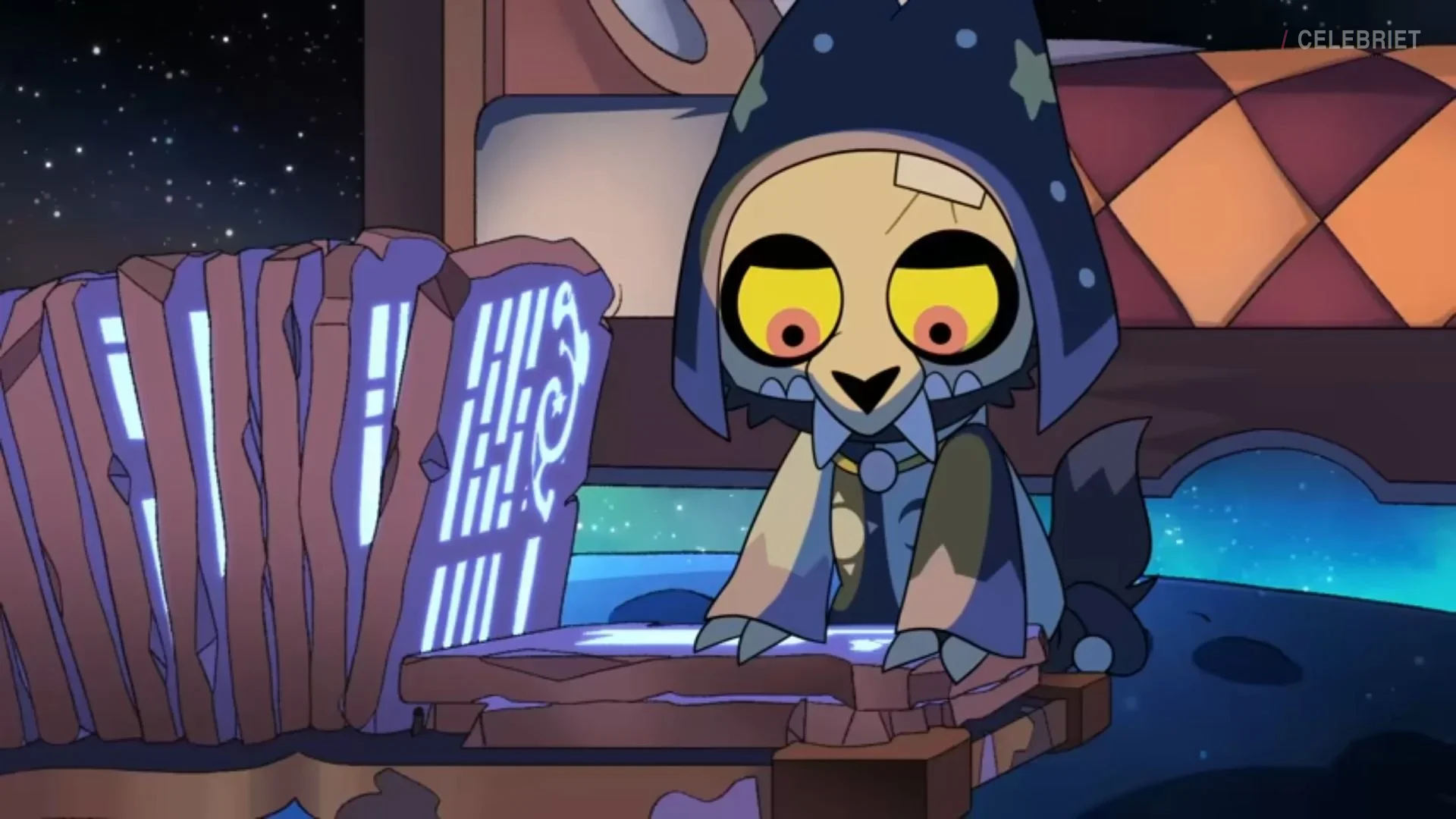
Season 3 builds toward a climactic confrontation that has been set up since earlier parts of the series. The main antagonist’s presence looms large, creating a sense of urgency and danger.
The final conflict is visually engaging and thematically consistent with the show’s message. It is not just about defeating a villain but about challenging harmful ideologies and breaking cycles of control.
That said, the pacing of the conflict can feel uneven. Certain elements are resolved quickly, and some viewers may wish for more buildup or exploration of the antagonist’s motivations.
Even so, the resolution works on a thematic level. It reinforces the importance of empathy, choice, and the power of community, which have always been central to the series.
Visually, Season 3 maintains the high standards set by earlier seasons. The animation is fluid, expressive, and occasionally more cinematic due to the extended episode format.
The tone balances emotional intensity with moments of humor and warmth. This mix helps prevent the story from becoming too heavy, even as it deals with serious themes.
The music and voice performances also play a crucial role in elevating key scenes. Emotional moments are given the weight they deserve, enhancing the overall impact of the finale.
Despite the constraints, the production quality remains consistently strong, ensuring that the final season feels like a proper send-off.
Does The Ending Deliver?
The most important question for any final season is whether it delivers a satisfying ending. In the case of The Owl House, the answer is largely yes.
The conclusion provides closure for the main storyline while leaving room for interpretation and imagination. It does not attempt to resolve every minor detail, but it successfully wraps up the central narrative.
What makes the ending effective is its emotional resonance. It feels true to the characters and the themes that have defined the series from the start.
There is a sense of finality, but also a feeling that the world continues beyond what is shown. This balance allows the ending to feel complete without being overly restrictive.
The Owl House Season 3 is not a perfect finale, but it is a meaningful one. The shortened format creates pacing issues and limits the depth of certain storylines. However, it does not diminish the emotional core of the series.
The season succeeds where it matters most. It delivers strong character moments, a compelling central arc, and a conclusion that honors the journey of its protagonist.
For fans, it offers a heartfelt goodbye that captures the spirit of what made the show special. For new viewers, it stands as an example of how even constrained finales can still achieve impact.
In the end, Season 3 proves that The Owl House was never just about fantasy adventures. It was about identity, connection, and the courage to define your own path.