
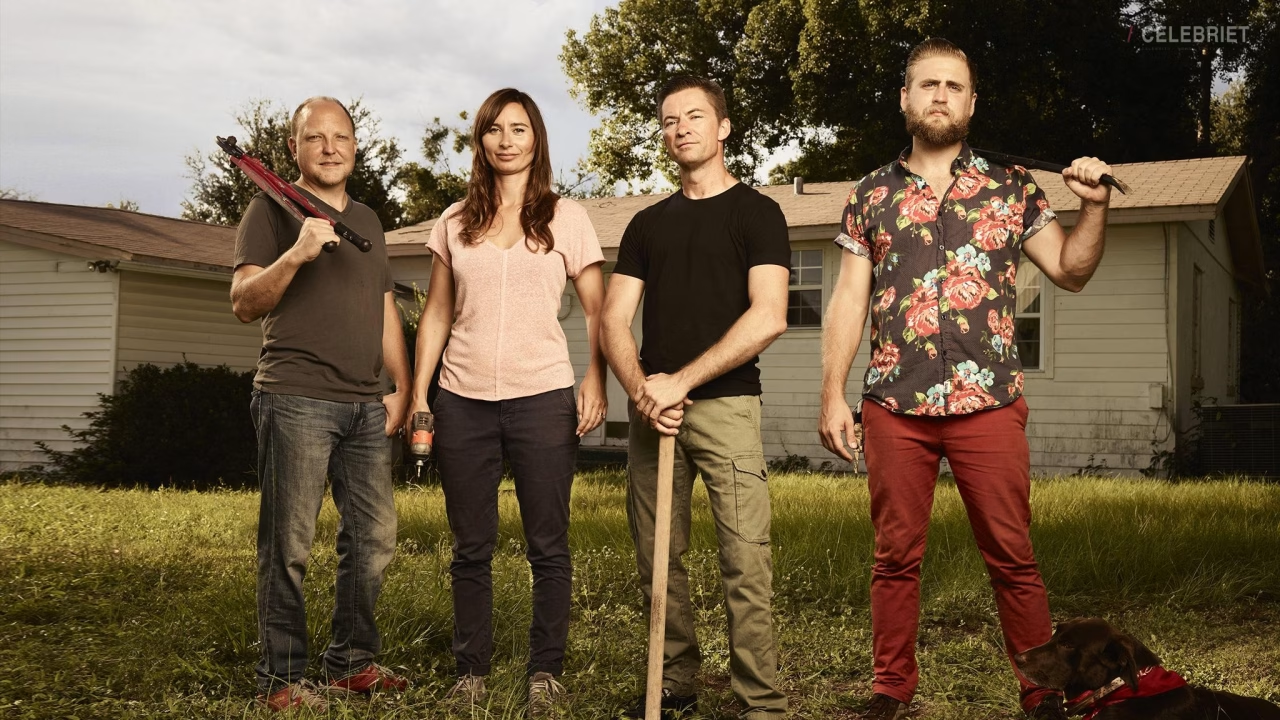
Zombie House Flipping has charmed audiences since its premiere on A&E in 2016, transforming the real estate reality television terrain with its unique focus on renovating abandoned and distressed properties. The series follows a team of house flippers in Orlando, Florida, as they purchase neglected homes, navigate unexpected renovation challenges, and transform these “zombie houses” into profitable properties.
Over multiple seasons, the show has documented the highs and lows of real estate investment while educating viewers about the complexities of house flipping. The series has undergone significant cast changes, location shifts, and format evolution while maintaining its core appeal of dramatic before-and-after transformations. Understanding the complete history of Zombie House Flipping provides insight into how the show has adapted to changing real estate markets, viewer preferences, and production demands while remaining one of A&E’s most popular home renovation programs.
The Origins and Season 1 Launch
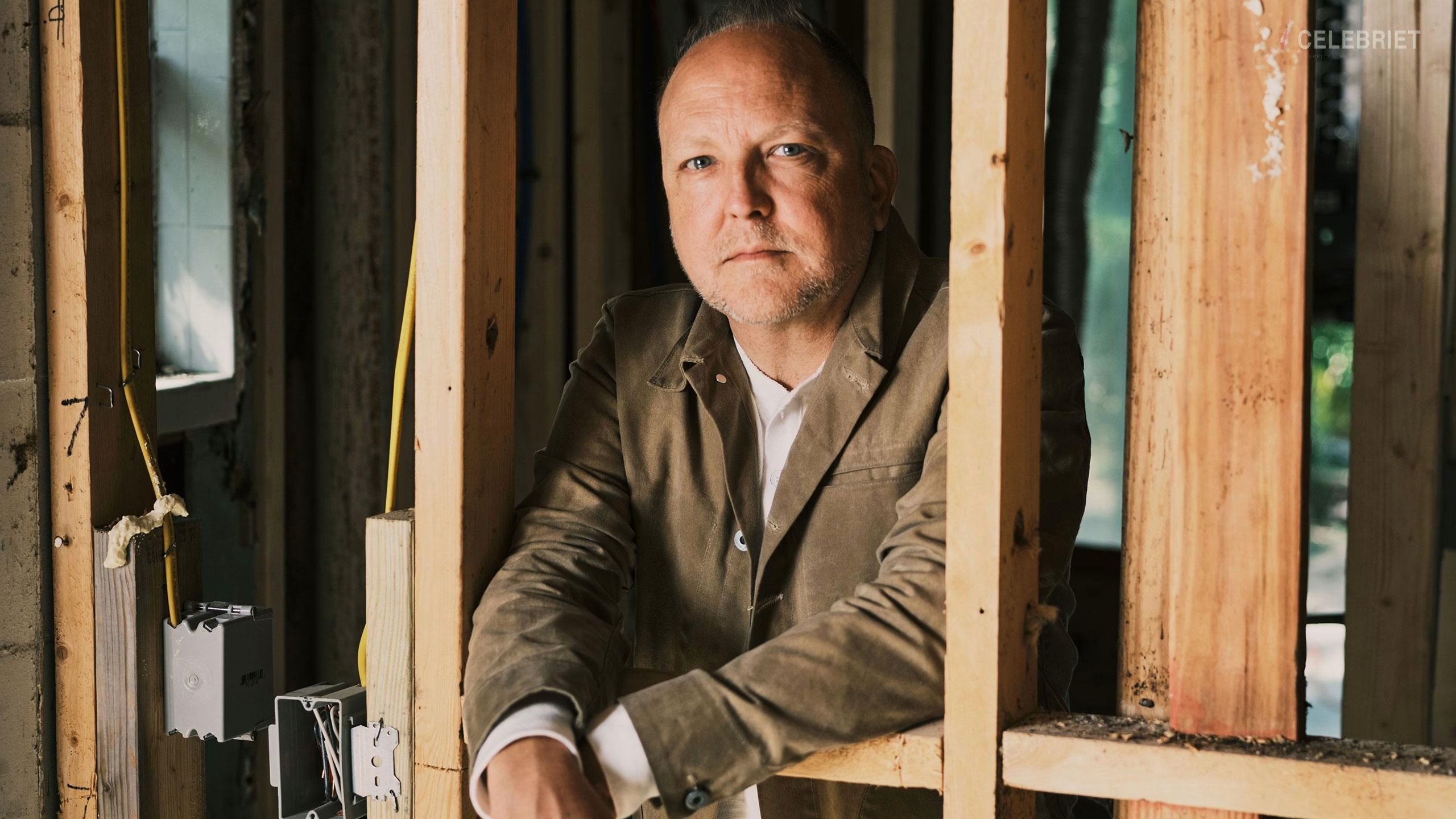
Zombie House Flipping debuted on A&E on January 30, 2016, introducing viewers to the Orlando real estate market and a team of experienced house flippers. The original cast included Justin Stamper, a licensed real estate agent and house flipper who served as the de facto leader of the team. Alongside Justin were Ashlee Casserly, a real estate agent with Irish roots and sharp negotiation skills, and Keith Ori, a designer who brought creative vision to each renovation project.
The show’s premise centered on identifying abandoned or severely distressed properties, known colloquially as “zombie houses,” that had been sitting vacant due to foreclosure, financial hardship, or neglect. These properties often required extensive repairs and creative problem-solving to transform them into marketable homes. The first season established the show’s format of purchasing properties at auction or through direct negotiation, assessing damage, budgeting renovations, and ultimately selling for profit.
Season 1 consisted of fourteen episodes that showcased the team’s approach to house flipping in the competitive Orlando market. The episodes highlighted common challenges including structural damage, permit issues, contractor problems, and budget overruns. This authentic portrayal of the difficulties involved in house flipping resonated with audiences and distinguished the show from other home renovation programs that sometimes glossed over real-world complications.
Cast Additions and Season 2 Expansion
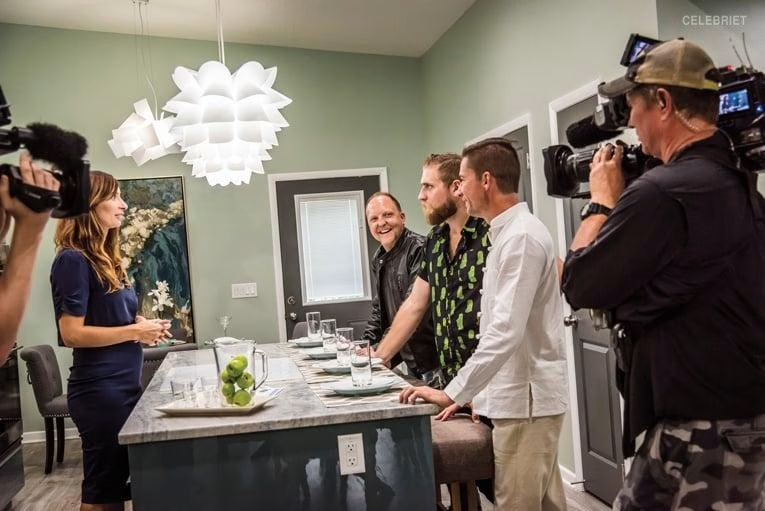
Season 2 premiered in early 2017 and introduced significant cast additions that would shape the show’s direction. Duke DeLand joined as a military veteran and contractor who brought hands-on renovation expertise to the team. Peter Duke, an investor and flipper, also became a regular presence, adding additional perspectives on property valuation and market analysis.
The second season expanded to sixteen episodes, reflecting the show’s growing popularity. The production team began incorporating more detailed explanations of the renovation process, including specific techniques for addressing common issues in Florida homes such as mold, termite damage, and hurricane-related structural problems. This educational component enhanced the show’s appeal beyond pure entertainment.
Season 2 also began exploring different neighborhoods within the Orlando area, showcasing how location impacts property values and renovation strategies. The team tackled increasingly ambitious projects, including properties with severe foundation issues, extensive water damage, and unusual floor plans that required creative redesign. These challenges provided compelling television while demonstrating the expertise required for successful house flipping.
Seasons 3-4 and Format Refinement
The third and fourth seasons, airing in 2017 and 2018 respectively, saw Zombie House Flipping refine its format and deepen character development. The show began focusing more on the personal dynamics between cast members, including disagreements over design choices, budget allocation, and project timelines. These interpersonal elements added dramatic tension beyond the renovation challenges themselves.
Season 3 maintained sixteen episodes and introduced more complex projects that tested the team’s abilities. The show began incorporating tighter budgets and shorter timelines to reflect real-world market pressures. Episodes started featuring more detailed financial breakdowns, showing acquisition costs, renovation expenses, holding costs, and final sale prices to give viewers transparent insight into the economics of house flipping.
Season 4 continued this trajectory with another sixteen-episode run. The production quality improved noticeably, with better cinematography showcasing the dramatic transformations. The team began taking on properties in varying conditions, from moderately distressed homes requiring cosmetic updates to severely damaged structures that challenged even their experienced crew. This variety kept the content fresh and demonstrated the range of opportunities available in real estate investment.
Season 5 and Major Cast Changes
Season 5, which premiered in 2019, brought significant changes to the Zombie House Flipping cast. Most notably, Keith Ori departed the series, creating a void in the design department. The remaining core team of Justin Stamper, Ashlee Casserly, Duke DeLand, and Peter Duke continued, but the dynamic shifted without Keith’s creative input.
The season addressed Keith’s absence by bringing in various guest designers and consultants for specific projects. This rotating approach provided fresh perspectives but lacked the continuity that Keith had brought to previous seasons. Despite this challenge, Season 5 delivered another successful run of episodes that maintained the show’s popularity.
The real estate market conditions in Orlando began shifting during this period, with increased competition for distressed properties and rising renovation costs affecting profit margins. The show documented these challenges authentically, showing deals that didn’t work out as planned and properties that sat on the market longer than anticipated. This honest portrayal of setbacks reinforced the show’s credibility with viewers who appreciated the realistic representation of house flipping challenges.
Seasons 6-7 and Continued Evolution
Seasons 6 and 7, airing in 2020 and 2021, navigated the unprecedented challenges posed by the COVID-19 pandemic. The real estate market experienced dramatic shifts, with some areas seeing price increases while renovation timelines extended due to material shortages and contractor availability issues. Zombie House Flipping adapted by addressing these realities directly in episodes.
The show continued featuring the core cast members while occasionally introducing new collaborators and specialists. The renovation projects during this period reflected changing buyer preferences, with increased emphasis on home offices, outdoor living spaces, and flexible room configurations that accommodated remote work and lifestyle changes.
Season 7 marked another milestone as the show maintained its relevance in an increasingly crowded field of real estate and renovation programming. The team’s experience allowed them to tackle more ambitious projects while maintaining the authentic, problem-solving approach that had defined the series from the beginning.
Recent Seasons and Current Status
Zombie House Flipping has continued into 2023 and beyond with additional seasons that have expanded beyond the original Orlando focus. The show has featured projects in different markets, including Dallas, Texas, where new teams of house flippers have been introduced following similar formats to the original Orlando episodes.
These geographic expansions have allowed the series to explore different real estate markets, regional construction challenges, and varying architectural styles. The Dallas episodes introduced viewers to new cast members while maintaining the core elements that made the show successful, including detailed renovation processes, budget transparency, and authentic portrayals of both successes and setbacks.
The show’s longevity demonstrates its successful formula of combining entertainment with education. Viewers continue tuning in to see dramatic property transformations while learning about real estate investment, renovation techniques, and market analysis. The series has inspired many viewers to consider house flipping themselves, though the show consistently emphasizes the expertise, capital, and risk tolerance required for success.