When the U.S. government moved forward with legislation that could force TikTok to either sell its parent company or face a nationwide ban, it triggered one of the most intense tech policy debates in recent years. Owned by ByteDance, TikTok became the focal point of concerns about data security and foreign influence. At the same time, millions of users, creators, and civil liberties groups argued that banning the app would set a dangerous precedent for free speech in the digital age.
The controversy escalated quickly as the bill gained bipartisan support in Congress. While lawmakers framed it as a national security measure, critics viewed it as a direct threat to online expression. The clash between government regulation and digital freedom turned TikTok into more than just a social media platform. It became a symbol of a much larger battle over who controls the internet and how far governments can go to regulate it.
What the U.S. TikTok Bill Proposed
The proposed legislation aimed to address national security concerns tied to TikTok’s ownership. Lawmakers argued that ByteDance’s ties to China could allow user data to be accessed by foreign authorities, though TikTok repeatedly denied sharing data with the Chinese government. The bill required ByteDance to divest TikTok’s U.S. operations or face a ban across app stores and internet providers.
Supporters of the bill emphasized the importance of protecting American user data and preventing potential foreign interference. They pointed to broader geopolitical tensions between the United States and China as a key factor behind the urgency. The legislation moved forward with rare bipartisan backing, signaling how seriously Washington viewed the issue.
However, critics argued that the bill lacked concrete evidence of wrongdoing by TikTok. They warned that targeting a single platform based on ownership could create a slippery slope for future restrictions. This divide laid the foundation for a heated public and legal battle.
As the bill advanced, free speech concerns quickly dominated the conversation. Organizations like American Civil Liberties Union argued that banning TikTok would effectively silence millions of users who rely on the platform for communication, creativity, and income. For many creators, TikTok is not just entertainment but a primary source of livelihood.
Legal experts pointed to the First Amendment to the United States Constitution, which protects freedom of expression from government interference. They argued that removing access to an entire platform could be seen as restricting speech on a massive scale. This perspective reframed the debate from a security issue into a constitutional one.
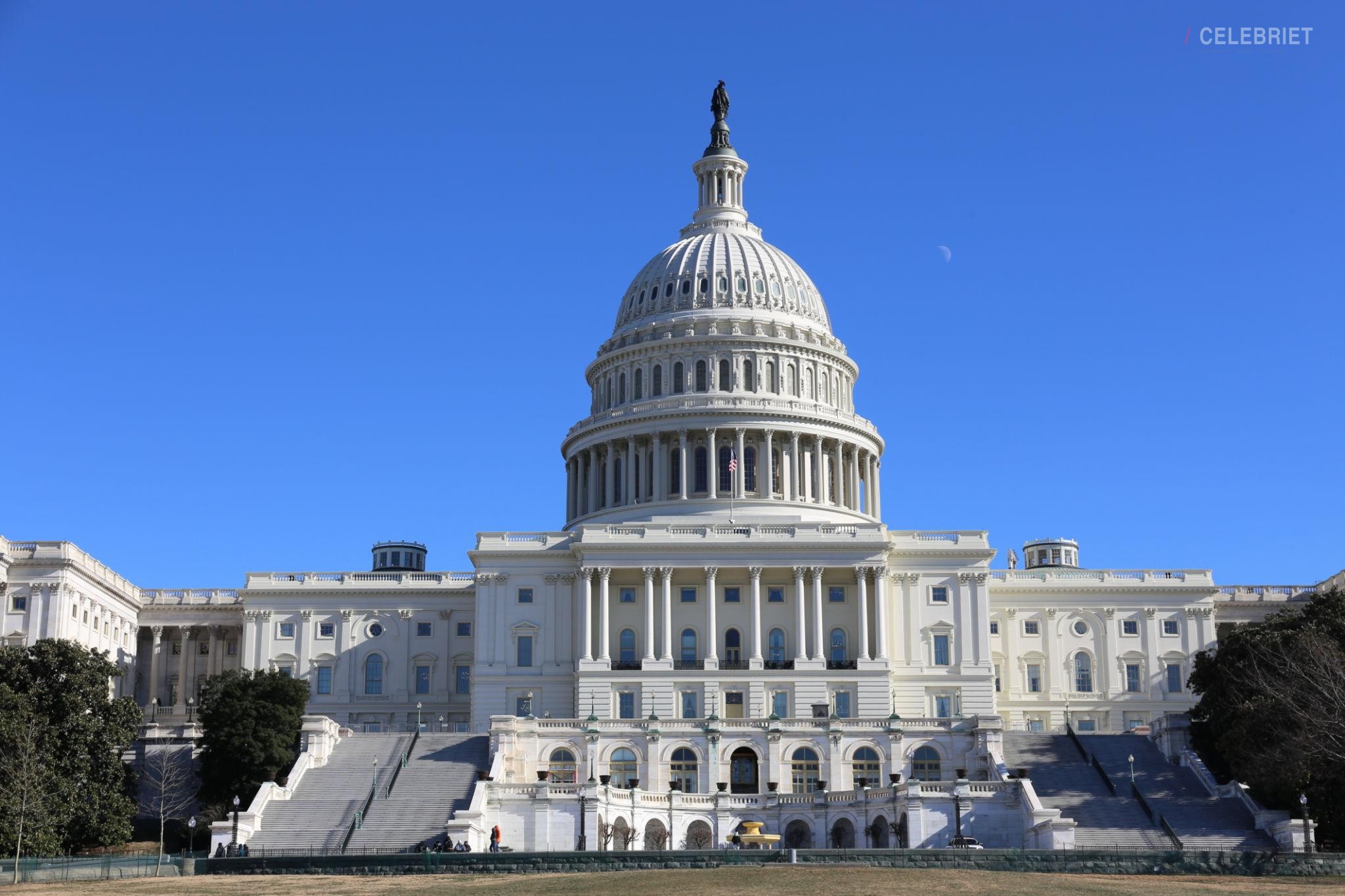
TikTok itself pushed back strongly against the bill. The company stated that banning the platform would harm free expression and disrupt a community of over 150 million U.S. users. This messaging resonated with younger audiences, many of whom viewed the move as an overreach by the government.
Public Reaction and Creator Backlash
The public response to the proposed ban was immediate and highly visible. TikTok users flooded the platform with videos criticizing lawmakers, explaining the app’s importance in their daily lives. Many creators argued that losing TikTok would mean losing their audience, income, and creative outlet.
High-profile influencers and digital creators played a significant role in amplifying the backlash. They framed the issue as a fight for digital rights, encouraging followers to contact representatives and oppose the bill. This grassroots response demonstrated the platform’s cultural and economic impact.
At the same time, some Americans supported the government’s stance, citing concerns about data privacy and national security. This split opinion reflected a broader tension between protecting citizens and preserving open digital spaces. The debate extended beyond TikTok, raising questions about the future of social media regulation.
The TikTok controversy highlighted a growing global trend of governments taking a more aggressive approach to regulating technology companies. It also exposed the challenges of balancing national security with individual freedoms in a digital world. The outcome of this battle could influence how other platforms are treated in the future.
Tech analysts noted that the case could set a precedent for how governments handle foreign-owned apps. If TikTok were forced to sell or shut down, similar actions could be taken against other companies. This possibility raised concerns within the tech industry about increased regulatory uncertainty.
For policymakers, the situation underscored the complexity of modern digital ecosystems. Decisions made in Washington could have ripple effects across global markets and online communities. This made the TikTok case one of the most closely watched tech policy developments in years.