
For millions of fans, Kristin Chenoweth is best known as the original Glinda in the Broadway production of Wicked and one of musical theater’s most recognizable voices. Across Broadway, television, film, and live concerts, Chenoweth built a career around charm, humor, and extraordinary vocal talent. But behind the scenes, the actress endured a traumatic accident that nearly ended her life.
In 2012, while filming the CBS drama The Good Wife, Chenoweth suffered severe injuries after lighting equipment crashed onto her during production. What initially appeared to be a frightening workplace accident later became something far more serious. Over the years, Chenoweth revealed that the incident caused long-term physical pain, emotional trauma, anxiety, and lasting health complications that still affect her daily life.
Her openness about the accident stunned many fans because she rarely discussed the full severity of her injuries publicly during the early years after the incident. Here is what really happened to Kristin Chenoweth, how the accident unfolded, the injuries she suffered, and why she later said she regretted staying silent about it for so long.
Kristin Chenoweth Was Injured on the Set of The Good Wife
The accident happened on July 11, 2012, while Chenoweth was filming scenes for the fourth season of The Good Wife in Brooklyn, New York. At the time, she had joined the series in a recurring role as political reporter Peggy Byrne.
According to reports and later interviews, a large piece of lighting equipment was knocked loose by strong winds during filming. The equipment struck Chenoweth directly, throwing her onto the pavement. Witnesses described the situation as chaotic and frightening.
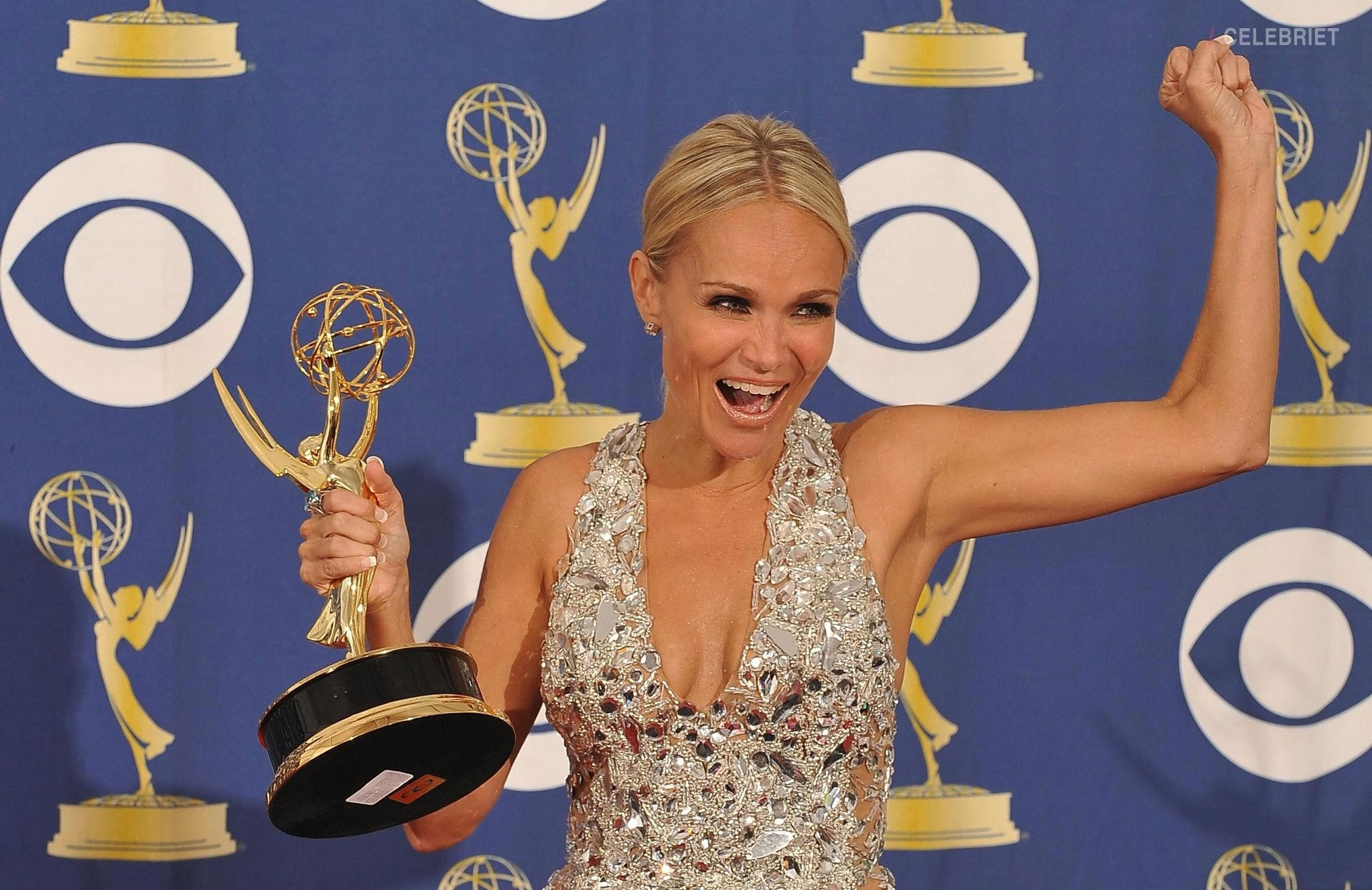
Chenoweth later recalled hearing crew members yell that they were “losing the light” moments before the accident occurred. After being hit, she lost consciousness and woke up later in Bellevue Hospital.
Initial reports described her condition as stable, but the true extent of her injuries became clearer in the following weeks and years.
The injuries Chenoweth suffered were far more serious than many fans initially realized.
In later interviews and essays, she explained that the accident caused a skull fracture, cracked ribs, spinal injuries, broken teeth, a broken nose, and severe head trauma. She also suffered lingering nerve, muscle, and tissue damage.
During a 2023 television appearance, Chenoweth described the moment in stunning detail. She explained that the lighting equipment hit her in the face and launched her backward into a curb.
The actress has since said she was “practically killed” in the accident. Over time, she also revealed that the aftermath included chronic pain, headaches, anxiety, depression, and countless medical appointments.
One particularly surprising detail from her story involved her hair extensions. Chenoweth claimed doctors told her the metal clips from the extensions may have helped hold part of her skull fracture together long enough to prevent even worse damage.
Kristin Chenoweth Had To Leave The Good Wife
Because of the severity of the injuries, Chenoweth was ultimately forced to leave The Good Wife shortly after joining the show.
Originally, she had been expected to appear in multiple episodes during the fourth season. However, her recovery became too physically demanding for her to continue production.
At the time, Chenoweth released a public statement saying she was unable to return because of her injuries and thanked fans for their support during recovery.
CBS also released a statement acknowledging that a gust of wind had caused the lighting equipment to shift before striking the actress.
Although she later briefly appeared again in a short scene connected to the series, the accident effectively ended what was supposed to become a much larger role on the show.
One reason the story resurfaced years later is that Chenoweth eventually opened up about how long the recovery process truly lasted.
In a 2014 interview, she admitted she was still in physical therapy two years after the accident. She explained that recovery was slow but progressing gradually.
Later interviews revealed that many of the injuries never fully disappeared. Chenoweth described living with “head-to-toe pain on a daily basis” years after the accident occurred.
The long-term consequences became emotionally exhausting as well. She explained that anxiety and fear affected her willingness to speak publicly about the incident for years.
The actress also discussed how difficult it was returning to live performances while still managing pain and physical limitations. Even so, she resumed concerts and stage appearances less than a year after the accident, demonstrating the determination that has defined much of her career.
Why Kristin Chenoweth Regrets Not Suing CBS
Years after the accident, Chenoweth publicly admitted she regretted not taking legal action against CBS over the incident.
According to the actress, fear played a major role in her decision to stay quiet. She said she worried that suing a major television network could damage her career permanently.
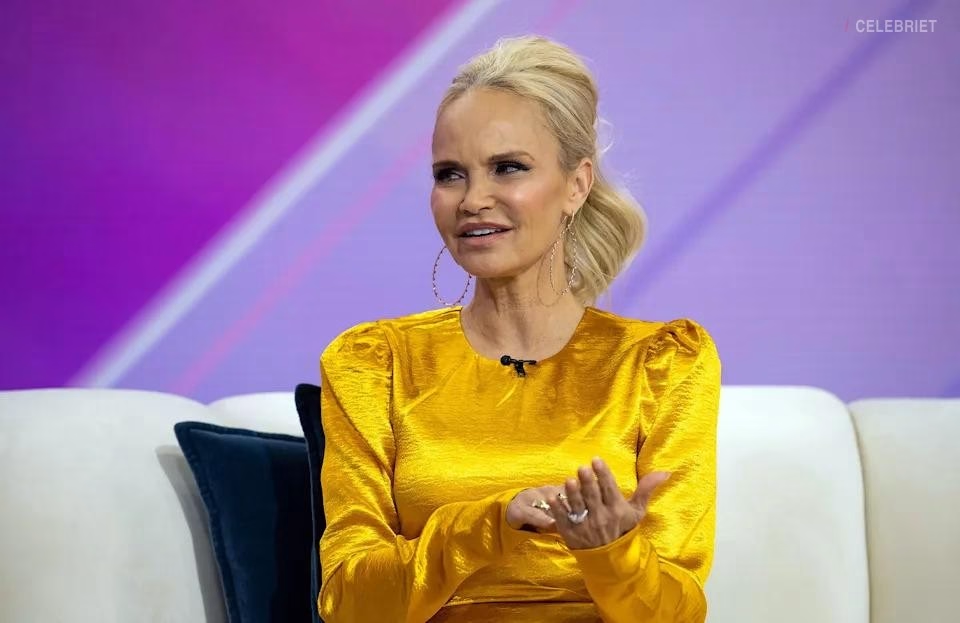
Chenoweth later revealed that people around her advised against pursuing legal action because of potential industry consequences. She feared being labeled difficult or unemployable in Hollywood.
Eventually, however, she became more open about the situation. During interviews promoting her book I’m No Philosopher, But I Got Thoughts, Chenoweth encouraged others not to let fear stop them from standing up for themselves.
Her comments sparked wider conversations online about workplace safety in entertainment productions and the pressure performers often face to remain silent after injuries.
The Accident Changed Her Perspective on Life
Over time, Chenoweth began speaking about the accident less as a career setback and more as a life-changing experience.
In interviews, she explained that surviving the incident gave her a renewed appreciation for faith, forgiveness, and personal resilience.
The actress acknowledged going through periods of anger and emotional struggle during recovery. However, she later described learning to move forward without allowing bitterness to dominate her life.
That perspective shift became an important part of her public messaging in later years. Rather than focusing only on the trauma, she began emphasizing gratitude for surviving an event that could easily have turned fatal.
Her willingness to discuss vulnerability and long-term pain also resonated with many fans dealing with their own invisible injuries and chronic health issues.