Chris Kattan is a name many comedy fans instantly recognize, especially for his unforgettable performances on Saturday Night Live. Known for his physical comedy, eccentric characters, and energetic screen presence, Kattan became one of the standout performers of late 1990s and early 2000s comedy. His ability to transform into wildly different personalities helped him carve out a unique place in sketch comedy history.
Beyond SNL, Kattan expanded his career into films, television, and even reality shows, showcasing his versatility as an entertainer. While his career has seen both highs and challenges, his influence on comedy remains undeniable. Many viewers still associate him with iconic characters like Mango and memorable roles in cult-favorite films.
This piece takes a closer look at who Chris Kattan is, including his early life, rise to fame, major career milestones, personal struggles, and what he is doing today.
Chris Kattan’s Early Life and Background
Christopher Lee Kattan was born on October 19, 1970, in Culver City, California. He grew up in a family connected to the entertainment industry, which naturally influenced his career path. His father, Kip King, was a comedian and actor who performed with The Groundlings, a well-known improv troupe that has launched many successful comedy careers.
Kattan spent much of his childhood in California and Washington State, experiencing a mix of environments that shaped his personality. His early exposure to performance and comedy helped him develop an interest in acting from a young age. While he did not initially achieve instant success, his persistence eventually paid off.
Before joining mainstream television, Kattan trained and performed with The Groundlings himself. This experience proved crucial in refining his improvisational skills and comedic timing. Many SNL stars, including Will Ferrell and Kristen Wiig, also came from this background, making it a key stepping stone in sketch comedy.
Breakthrough on Saturday Night Live
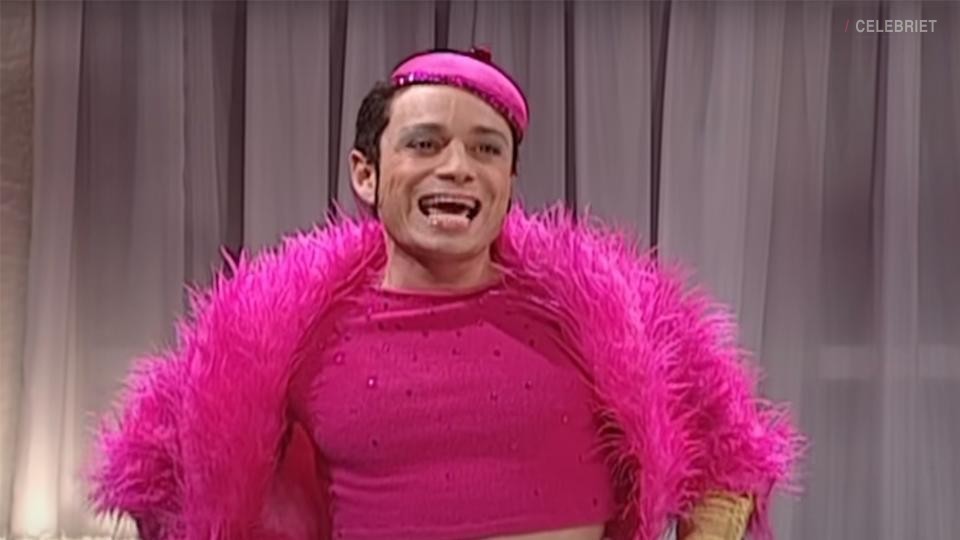
Chris Kattan’s biggest career breakthrough came in 1996 when he joined the cast of Saturday Night Live. His arrival marked the beginning of what would become one of the most recognizable phases of his career. During his time on the show, Kattan quickly stood out for his physical comedy and willingness to embrace bizarre and exaggerated characters.
One of his most iconic creations was Mango, a flamboyant and mysterious character known for hypnotizing others with charm and absurdity. The character became a fan favorite and is still remembered as one of the standout sketches from that era. Kattan’s commitment to the role demonstrated his fearless approach to comedy.
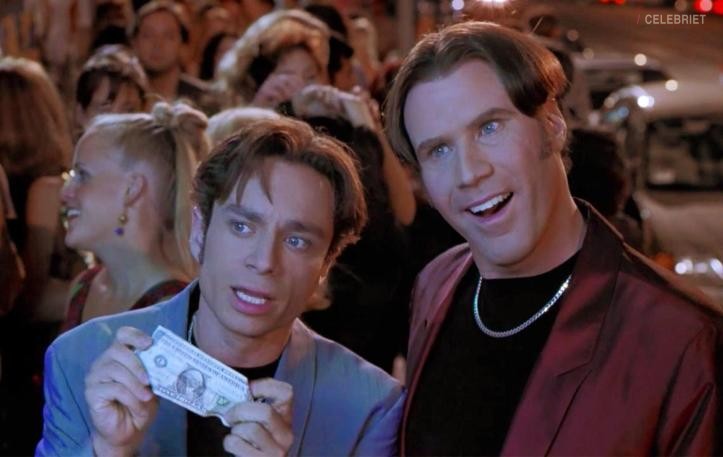
He also gained popularity for his partnership with Will Ferrell in the Roxbury Guys sketches. Their performances led to the creation of the film A Night at the Roxbury, which remains one of the most recognizable SNL-inspired movies. The duo’s comedic chemistry played a major role in the sketches’ success.
Kattan remained on SNL until 2003, building a strong legacy during his seven-year run. His work on the show helped define a generation of sketch comedy and introduced him to a global audience.
Transition to Film and Television
After leaving Saturday Night Live, Chris Kattan transitioned into film and television roles. While not all of his projects achieved major commercial success, he continued to appear in a variety of comedies. One of his most notable film roles was in A Night at the Roxbury alongside Will Ferrell.
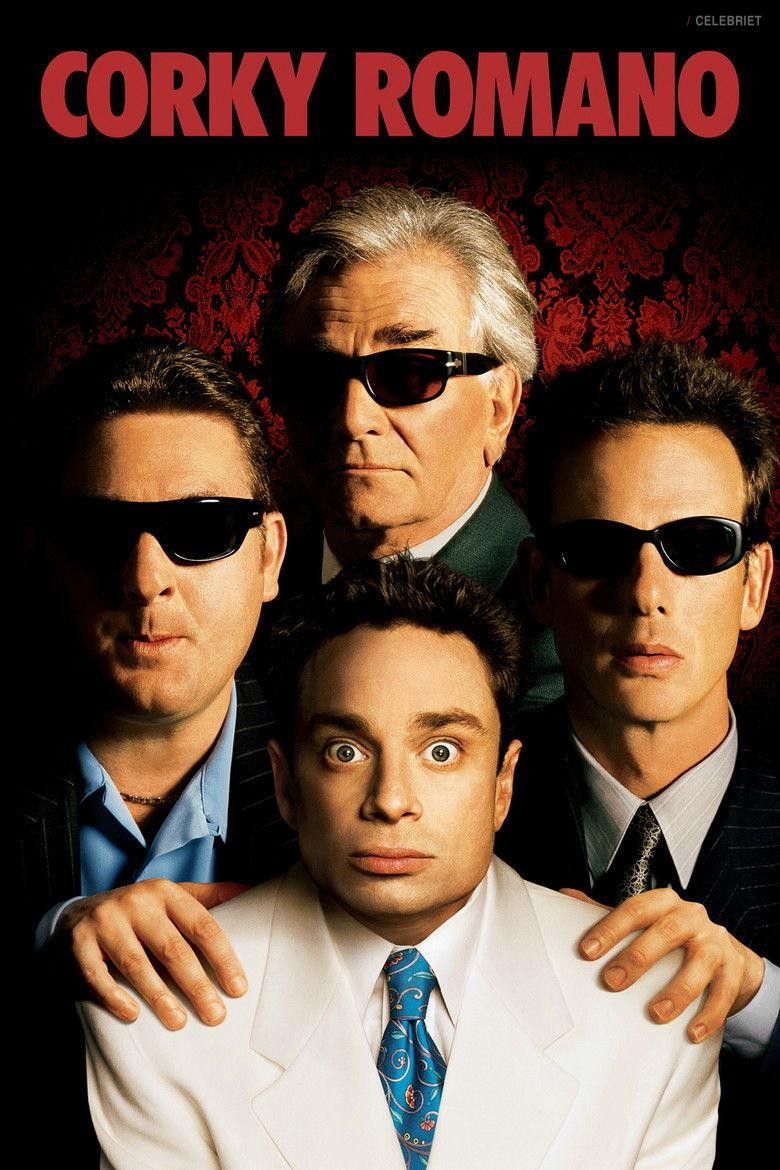
He also appeared in movies like Corky Romano, where he played the lead role. Although the film received mixed reviews, it showcased Kattan’s ability to carry a feature-length comedy. Over time, the movie developed a cult following among fans of his style of humor.
In television, Kattan made guest appearances on several shows, demonstrating his adaptability as a performer. He also took on voice acting roles and participated in animated projects. These opportunities allowed him to stay active in the entertainment industry even as mainstream visibility fluctuated.
Kattan’s career during this phase highlighted both the challenges and opportunities that come with transitioning from sketch comedy to broader acting roles. While he did not reach the same level of fame as some of his SNL peers, he maintained a steady presence in the industry.
Personal Challenges and Health Issues
Chris Kattan’s career has not been without difficulties. One of the most significant challenges he faced was a serious neck injury that affected both his personal life and professional opportunities. The injury reportedly stemmed from a stunt during his time on Saturday Night Live.
In interviews, Kattan has spoken about the long-term impact of the injury, including chronic pain and multiple surgeries. These health issues made it difficult for him to perform at the same physical level that once defined his comedy. For an actor known for high-energy performances, this was a major obstacle.
Despite these setbacks, Kattan continued to work and adapt his approach to entertainment. His willingness to remain active in the industry despite physical challenges speaks to his dedication and resilience. Fans have often expressed admiration for his perseverance.
His experiences also brought attention to the physical demands of comedy and performance, something that is not always widely discussed. Kattan’s story highlights the sacrifices that entertainers sometimes make in pursuit of their craft.
Reality TV and Later Career Appearances
In later years, Chris Kattan explored reality television as another avenue for staying connected with audiences. He appeared on shows such as Dancing with the Stars, where viewers got to see a different side of his personality. Although his run on the show was brief, it generated renewed interest in his career.
He also participated in Celebrity Big Brother, further expanding his presence in reality entertainment. These appearances introduced him to a new generation of viewers who may not have been familiar with his earlier work on SNL.
In addition to reality TV, Kattan has continued to perform in smaller film roles and television projects. He has also been involved in live comedy performances, reconnecting with his roots in sketch and improv. These efforts demonstrate his ongoing passion for entertainment.
While he may not dominate headlines in the same way as during his peak years, Kattan remains an active figure in the industry. His continued presence reflects his enduring appeal and adaptability.
Chris Kattan’s Comedy Style and Influence
Chris Kattan’s comedic style is defined by physicality, absurdity, and a willingness to take creative risks. Unlike many comedians who rely heavily on dialogue, Kattan often used body language and exaggerated expressions to generate humor. This approach set him apart from many of his peers.
His characters were often unconventional, pushing boundaries in ways that made them memorable. Mango, for example, was both bizarre and stunning, showcasing Kattan’s ability to fully commit to a role. This fearless style earned him a dedicated fanbase.
Kattan’s influence can be seen in modern comedians who embrace similar forms of physical and character-driven comedy. His work helped demonstrate that humor does not always need to follow traditional formats. Instead, it can thrive through creativity and originality.
Even years after his peak, many fans and comedians continue to reference his performances. His contributions to Saturday Night Live remain a key part of his legacy.
What Is Chris Kattan Doing Now?
In recent years, Chris Kattan has maintained a relatively low-profile presence while still participating in entertainment projects. He occasionally appears in films and television shows, often in supporting roles. These appearances keep him connected to the industry without the pressure of leading major productions.
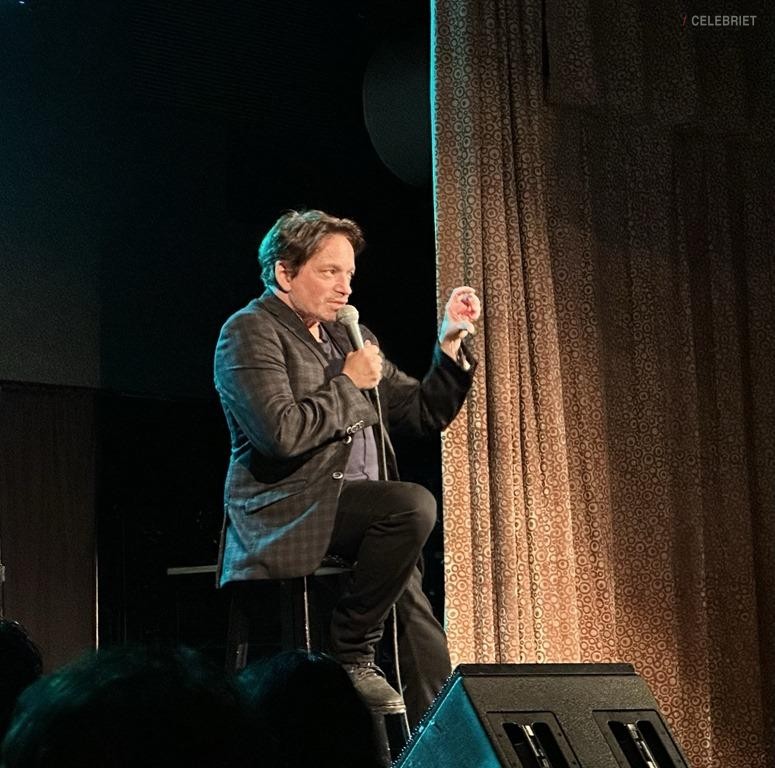
Kattan has also been involved in stand-up and live comedy performances. These shows allow him to engage directly with audiences and showcase his comedic talents in a more personal setting. For many fans, this is an opportunity to see him perform outside of scripted television.
He has also remained active on social media, where he interacts with fans and shares updates about his work. This connection helps maintain his relevance in an increasingly digital entertainment terrain.
Although his career has evolved over time, Kattan’s passion for comedy remains evident. His continued efforts show that he is still dedicated to entertaining audiences.
Legacy and Impact on Comedy
Chris Kattan’s legacy is closely tied to his work on Saturday Night Live. His characters and performances helped define an era of the show that is still celebrated by fans today. While he may not have achieved the same level of post-SNL success as some of his peers, his contributions remain significant.
His willingness to embrace unconventional roles and push comedic boundaries set him apart. This approach helped expand the possibilities of what sketch comedy could be. It also inspired future performers to take creative risks.
Kattan’s career also serves as a reminder of the challenges faced by entertainers in maintaining long-term success. Despite setbacks, he has continued to pursue his passion and remain part of the industry.
His influence extends beyond specific roles or performances. It lies in the energy, creativity, and uniqueness he brought to every project he was part of.
Chris Kattan is a comedian and actor best known for his memorable run on Saturday Night Live, where he created some of the most iconic characters of his era. Born in 1970, he built his career through hard work, improvisation training, and a fearless approach to comedy. From Mango to the Roxbury Guys, his performances left a lasting impression on audiences.
While his career has experienced ups and downs, including health challenges and shifting opportunities, Kattan has remained committed to entertainment. His work in film, television, and reality shows demonstrates his versatility and resilience.
For many fans, Chris Kattan represents a unique era of comedy defined by bold characters and physical humor. His legacy continues to influence performers and entertain audiences, ensuring that his contributions to comedy are not forgotten.