Greg Olsen is a former NFL tight end and one of the most respected sports broadcasters in football today. Known for his consistency, leadership, and reliable hands during his playing career, Olsen built a strong reputation across multiple teams, especially with the Carolina Panthers. Over more than a decade in the NFL, he became one of the league’s most productive tight ends and a trusted target for quarterbacks.
After retiring from professional football, Olsen made a seamless transition into broadcasting, quickly becoming one of the top NFL analysts on television. His deep understanding of the game, combined with his ability to communicate complex plays clearly, has earned him widespread praise from fans and critics alike.
This piece breaks down who Greg Olsen is, including his early life, NFL journey, career highlights, personal background, and his growing influence in sports media.
Greg Olsen’s Early Life and Background
Gregory Walter Olsen was born on March 11, 1985, in Paterson, New Jersey, and grew up in nearby Wayne. He was raised in a sports-oriented family, with his father, Chris Olsen Sr., working as a high school football coach. This environment played a major role in shaping his passion for football from an early age.
Olsen attended Wayne Hills High School, where he developed into a standout athlete. He excelled in football as a tight end and defensive end, earning recognition as one of the top high school players in the country. His performances attracted attention from major college programs.
His upbringing emphasized discipline, teamwork, and preparation. These qualities would later become defining traits throughout his football career. Olsen’s early exposure to coaching and structured training gave him a strong foundation for future success.
College Career at the University of Miami
Greg Olsen continued his football journey at the University of Miami, one of the most prestigious college football programs in the United States. Playing for the Hurricanes, he quickly established himself as a talented tight end with strong receiving skills.
During his college career, Olsen became known for his ability to stretch the field and create mismatches against defenders. His size and athleticism allowed him to be effective both as a receiver and a blocker. He consistently contributed to the team’s offense and gained recognition as one of the top tight ends in college football.
By the time he declared for the NFL Draft, Olsen had built a reputation as a reliable and versatile player. His performances at Miami positioned him as a strong prospect for professional teams looking to add depth and skill at the tight end position.
NFL Draft and Early Years with the Chicago Bears
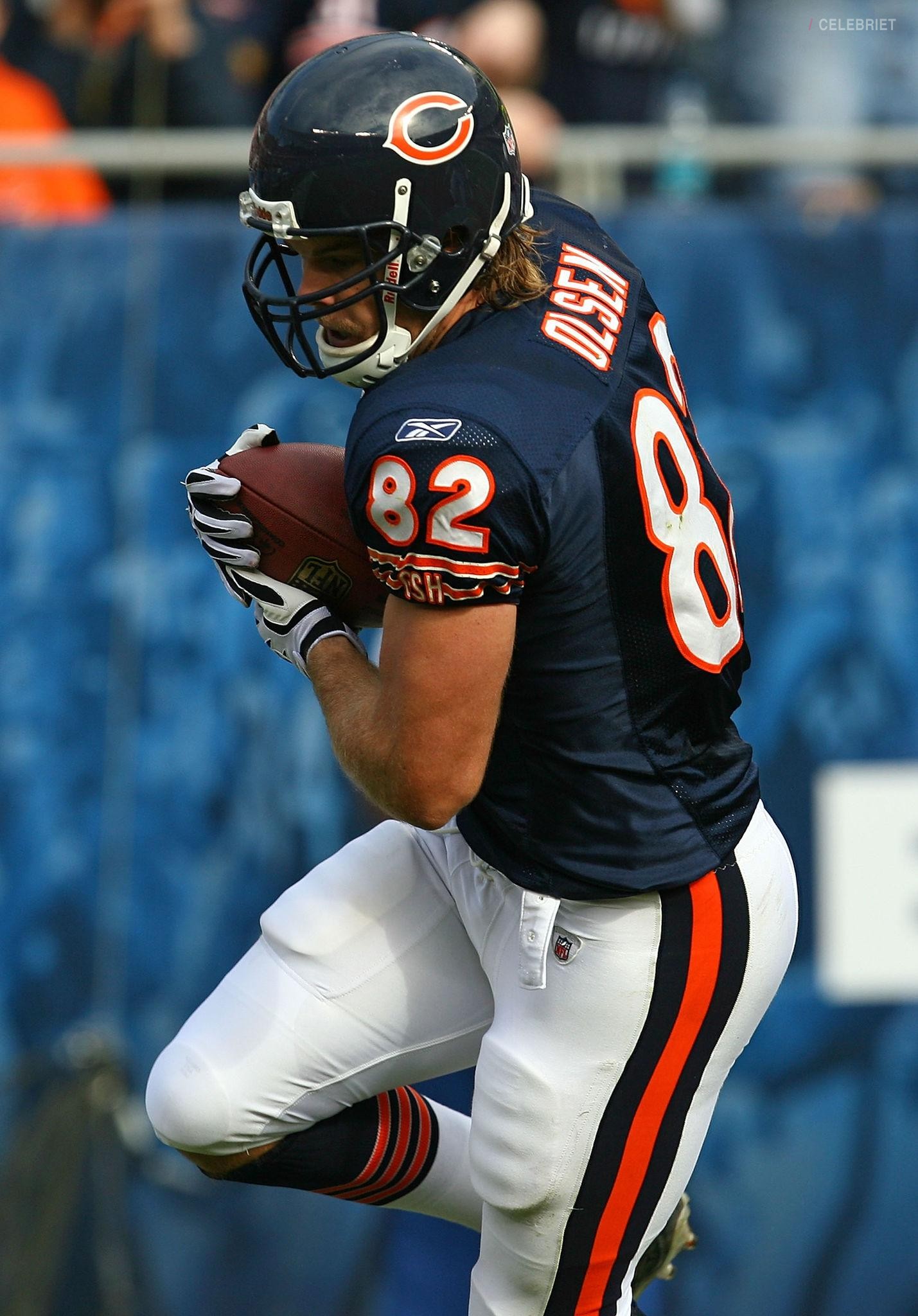
Greg Olsen entered the 2007 NFL Draft and was selected in the first round by the Chicago Bears. Being a first-round pick brought high expectations, and Olsen faced the challenge of adapting to the professional level quickly.
During his time with the Bears, Olsen showed flashes of his potential. He demonstrated strong hands, route-running ability, and a knack for making important catches. However, he was not always utilized to his full potential in Chicago’s offensive system.
Despite these limitations, Olsen steadily improved and developed into a reliable contributor. His early years in the NFL helped him gain valuable experience and refine his skills. These lessons would prove crucial in the next phase of his career.
Breakout Success with the Carolina Panthers
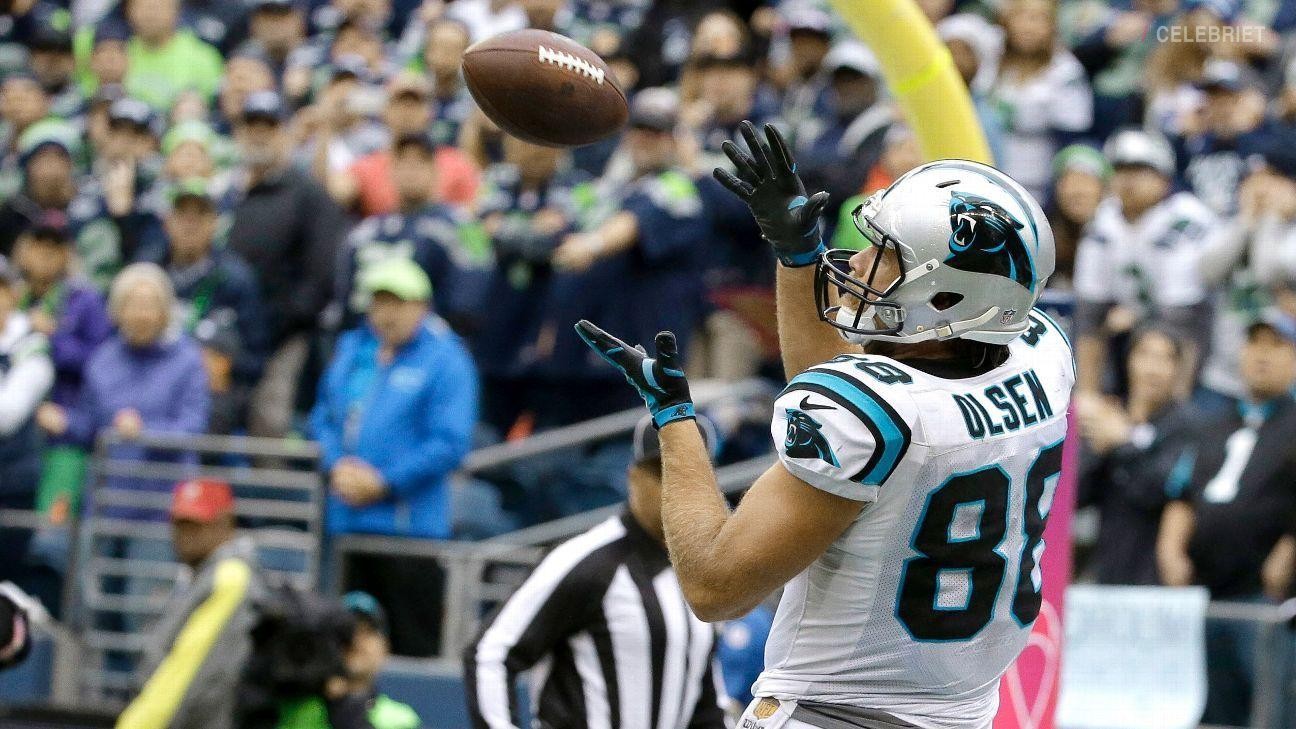
Greg Olsen’s career reached new heights after he was traded to the Carolina Panthers in 2011. This move proved to be a turning point, as he became a central part of the team’s offense. Playing alongside quarterback Cam Newton, Olsen developed into one of the league’s top tight ends.
He became known for his consistency and ability to perform in key moments. Olsen recorded three consecutive 1,000-yard receiving seasons from 2014 to 2016, a rare achievement for a tight end. This milestone placed him among the elite players at his position.
During his time with the Panthers, Olsen earned three Pro Bowl selections. He played a significant role in the team’s success, including their run to Super Bowl 50. Although the Panthers lost to the Denver Broncos, Olsen’s contributions throughout the season were widely recognized.
His chemistry with Newton and his leadership in the locker room made him a cornerstone of the Panthers’ offense. This period remains the most successful and defining chapter of his NFL career.
Final Playing Years and Retirement
After several productive seasons with the Panthers, Greg Olsen faced injuries that impacted his performance. Foot injuries, in particular, limited his playing time in later years. Despite these challenges, he remained a valuable presence on the team.
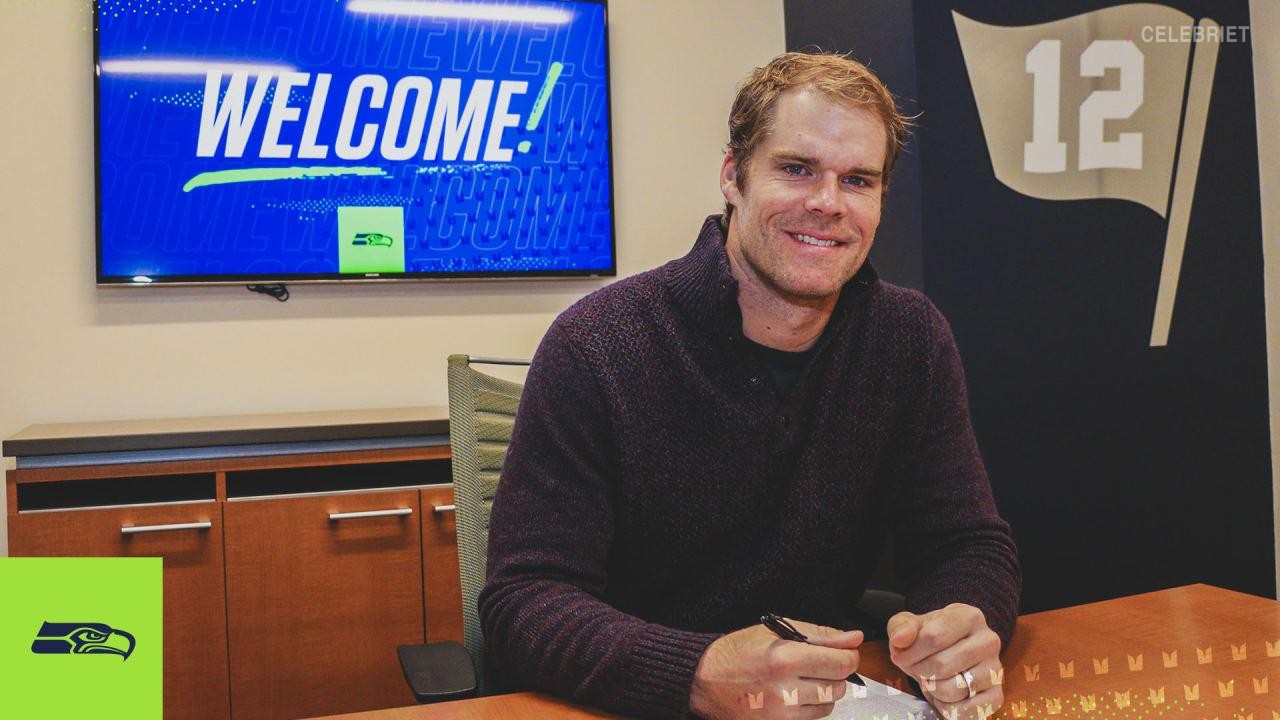
In 2020, Olsen signed with the Seattle Seahawks for the final season of his NFL career. While his role was more limited, he provided veteran leadership and experience. His time with the Seahawks allowed him to conclude his playing career on a respected note.
Olsen officially retired from professional football after the 2020 season. His career spanned 14 seasons, during which he established himself as one of the most consistent tight ends of his era. His contributions to the game earned him respect from teammates, coaches, and fans.
Career Statistics and Achievements
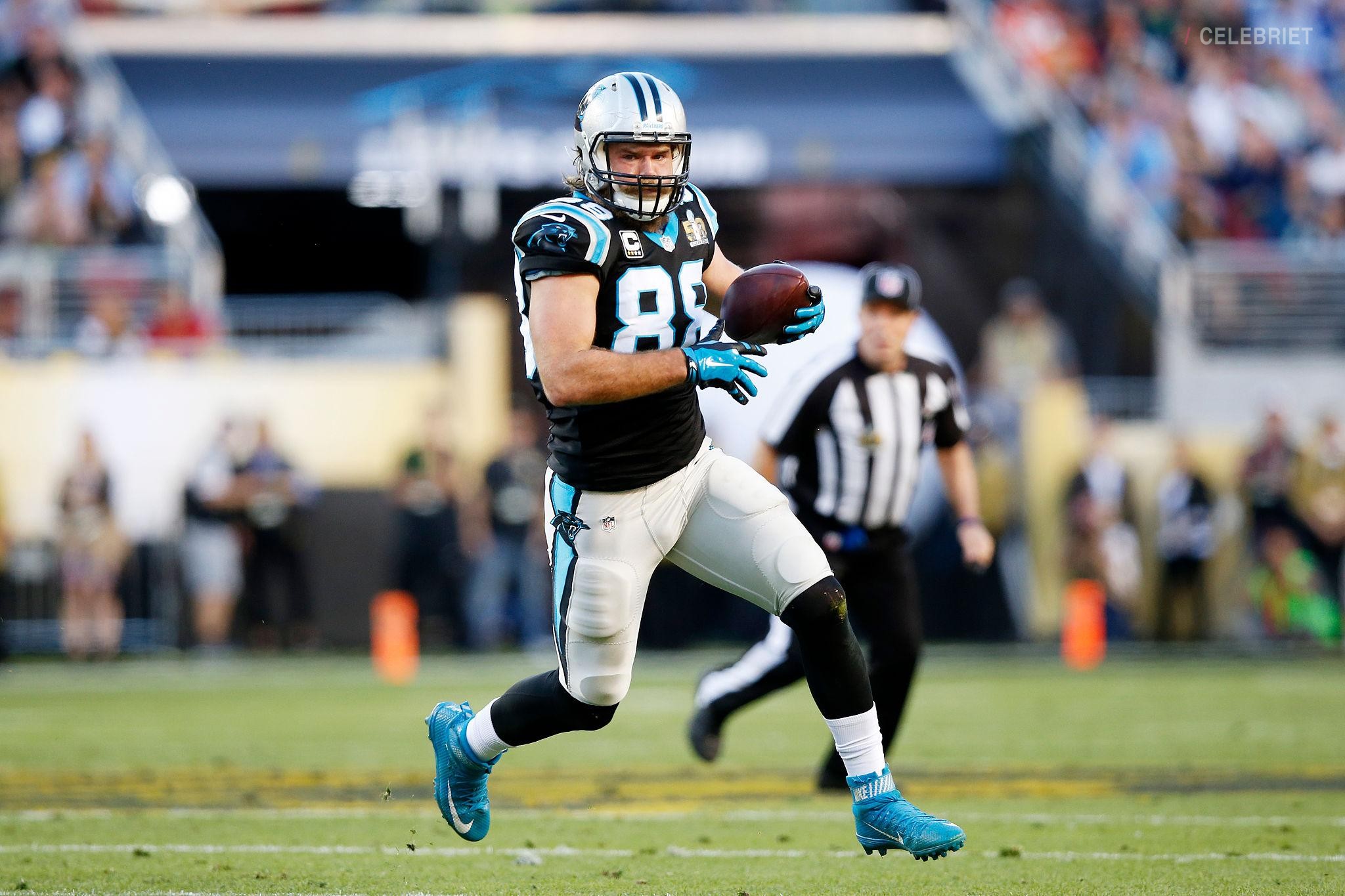
Greg Olsen’s NFL career includes impressive statistics that highlight his consistency and impact. He finished with over 700 receptions and more than 8,600 receiving yards. These numbers place him among the top tight ends in NFL history.
His three Pro Bowl selections reflect his standing as one of the best players at his position during his peak years. Additionally, his three consecutive 1,000-yard seasons set him apart in a position where such achievements are rare.
Olsen’s ability to produce at a high level over many seasons demonstrates his durability and skill. He was not defined by a single standout year but by sustained excellence. His career achievements continue to be recognized within the football community.
Transition to Broadcasting and Media Career
After retiring, Greg Olsen transitioned into broadcasting, joining FOX Sports as an NFL analyst. His move into media was widely praised, as he quickly established himself as one of the best commentators in the game.
Olsen’s broadcasting style is characterized by clarity, insight, and the ability to break down complex plays in an accessible way. His experience as a player allows him to provide unique perspectives that resonate with viewers. He quickly earned a reputation for being both informative and engaging.
Within a short period, Olsen became a lead analyst for major NFL broadcasts. His rapid rise in sports media reflects both his knowledge of the game and his communication skills. He is now considered one of the top voices in football broadcasting.
Personal Life and Family
Greg Olsen’s personal life has also played a significant role in shaping his public image. He is married to Kara Olsen, and the couple has three children. His family has been central to many of his off-field activities and charitable efforts.
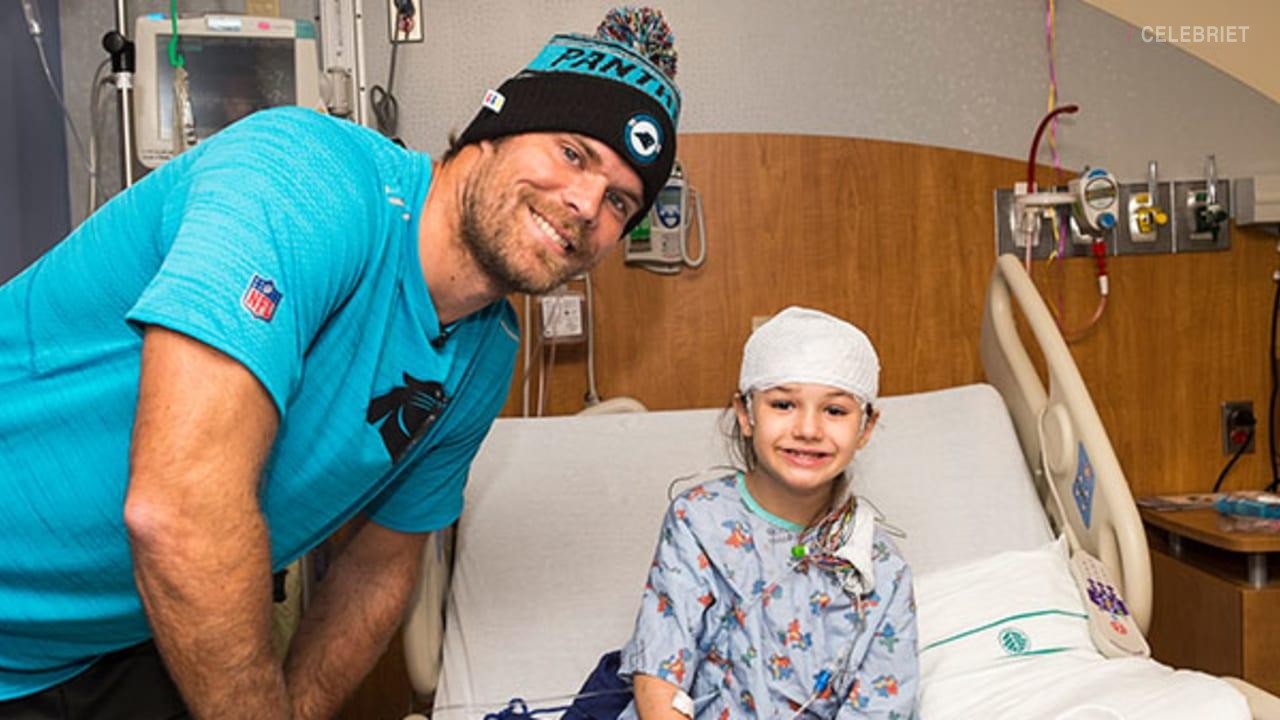
One of the most notable aspects of Olsen’s personal life is his advocacy for children with congenital heart conditions. His son, TJ, was born with a heart defect, which inspired Olsen to become involved in related causes. He co-founded the HEARTest Yard initiative to support families dealing with similar challenges.
Through this work, Olsen has made a meaningful impact beyond football. His dedication to helping others has earned him respect and admiration. His efforts demonstrate how athletes can use their platform for positive change.
Playing Style and Impact on the Game
Greg Olsen’s playing style set him apart from many of his peers. As a tight end, he combined size, skill, and intelligence to create mismatches against defenders. His ability to read defenses and find open space made him a reliable target.
He was particularly effective in the passing game, where his route-running and hands stood out. Olsen’s consistency allowed quarterbacks to depend on him in crucial situations. His performance in high-pressure moments contributed to his reputation as a clutch player.
Olsen’s style reflects the evolution of the tight end position in modern football. He helped demonstrate how tight ends could play a central role in an offense. His influence can be seen in the way teams utilize the position today.
Legacy and Influence
Greg Olsen’s legacy is defined by consistency, professionalism, and versatility. While he may not have the highest profile among NFL superstars, his contributions have been significant. He represents the type of player who excels through reliability and intelligence.
His success in both football and broadcasting highlights his adaptability. Few athletes manage to transition so effectively into media careers. Olsen’s ability to remain relevant after retirement speaks to his talent and work ethic.
He has also become a role model for younger players, showing the importance of preparation and resilience. His career serves as an example of how to achieve long-term success in a competitive environment.
What Is Greg Olsen Doing Now?
Today, Greg Olsen continues to work as a leading NFL analyst for FOX Sports. He covers major games and provides expert commentary that enhances the viewing experience. His presence in the broadcast booth remains highly valued.
In addition to broadcasting, Olsen remains active in charitable work through the HEARTest Yard initiative. He continues to support families and raise awareness about congenital heart conditions. His efforts in this area remain a key part of his legacy.
Olsen also participates in public speaking and other media projects. His ability to connect with audiences ensures that he remains an influential figure in sports. Whether through football or philanthropy, he continues to make an impact.