
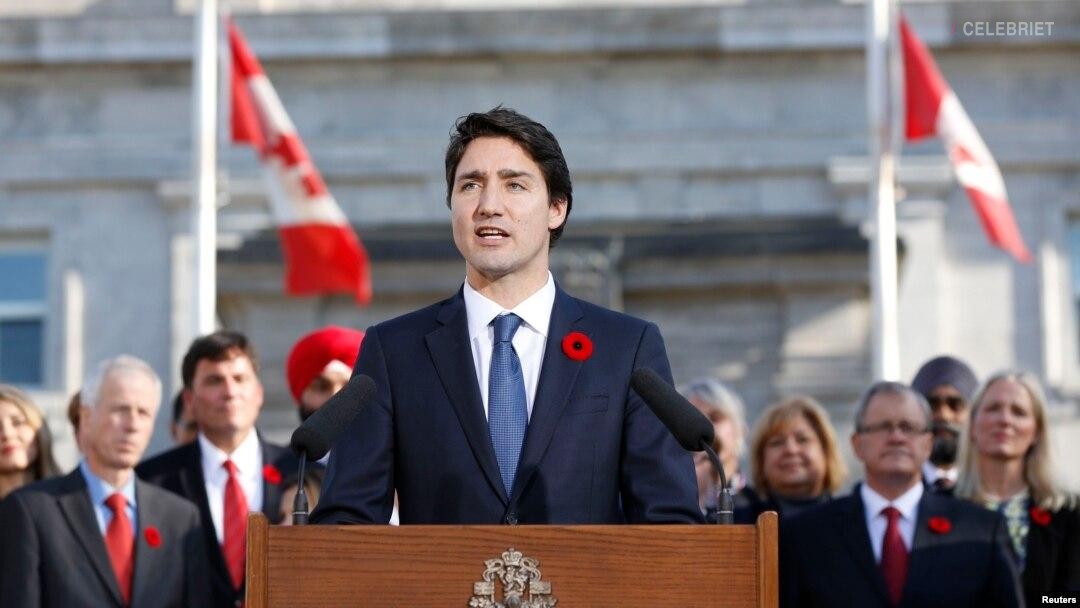
Justin Trudeau is one of the most recognizable political leaders in the world, serving as the Prime Minister of Canada since 2015. Known for his progressive policies, global diplomacy, and charismatic public presence, Trudeau has played a central role in shaping Canada’s political terrain over the past decade. As the leader of the Liberal Party, he has focused on issues such as climate change, diversity, economic growth, and international cooperation.
Born into a political family as the son of former Prime Minister Pierre Trudeau, Justin Trudeau entered politics with both opportunity and scrutiny. His journey from a schoolteacher to Canada’s top political office reflects a blend of personal ambition, public service, and strategic leadership.
This piece breaks down who Justin Trudeau is, covering his early life, political rise, major policies, controversies, and his continuing influence on Canadian and global politics.
Justin Trudeau’s Early Life and Family Background
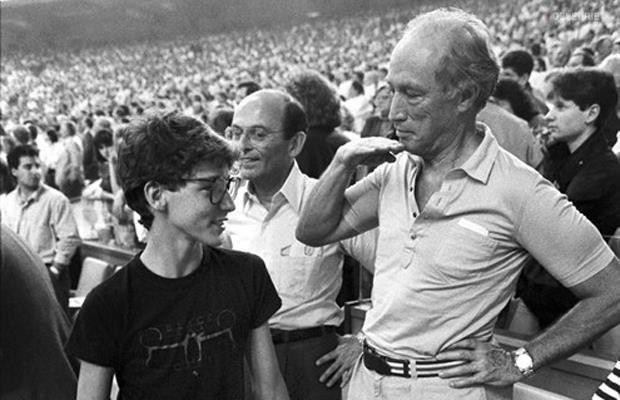
Justin Pierre James Trudeau was born on December 25, 1971, in Ottawa, Ontario, Canada. He is the eldest son of Pierre Trudeau, who served as Prime Minister of Canada for over 15 years. Growing up in the Prime Minister’s residence gave Justin early exposure to politics and international leadership.
Despite his political upbringing, Trudeau’s early life was not solely focused on politics. He attended McGill University, where he earned a degree in literature, and later studied education at the University of British Columbia. His academic background reflected a strong interest in communication and public engagement.
Before entering politics, Trudeau worked as a teacher, teaching subjects such as French, drama, and math. This experience shaped his communication style and helped him connect with a wide range of people. His early career laid the foundation for his later success in public life.
Entry Into Politics and Rise in the Liberal Party
Justin Trudeau officially entered politics in 2008 when he was elected as a Member of Parliament for the Papineau riding in Montreal. His initial years in politics were marked by efforts to establish his own identity, separate from his father’s legacy.
Within the Liberal Party, Trudeau quickly gained attention for his communication skills and public appeal. In 2013, he was elected leader of the Liberal Party, a position that set the stage for his rise to national leadership. At the time, the party was struggling and in need of revitalization.
Trudeau’s leadership brought renewed energy to the party. He focused on modernizing its image and connecting with younger voters. His approach emphasized inclusivity, optimism, and forward-looking policies, which helped rebuild the party’s support base.
Becoming Prime Minister of Canada
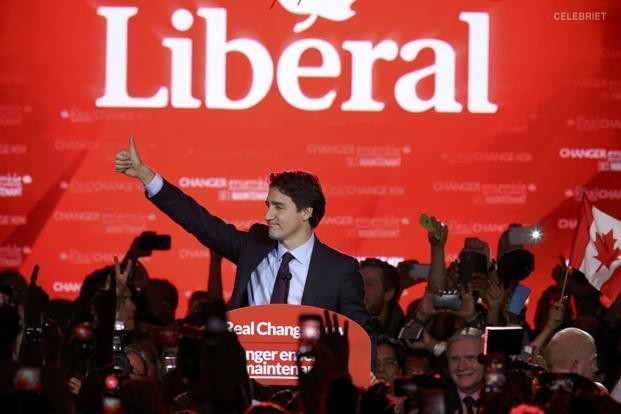
Justin Trudeau became Prime Minister of Canada following the 2015 federal election, in which the Liberal Party secured a majority government. His victory marked a significant political shift after nearly a decade of Conservative leadership under Stephen Harper.
The 2015 campaign centered on themes of change, economic growth, and progressive values. Trudeau’s message resonated with voters, particularly younger Canadians and those seeking a more inclusive approach to governance. His win was widely seen as a political comeback for the Liberal Party.
As Prime Minister, Trudeau formed a diverse cabinet that included gender balance, reflecting his commitment to representation. His early decisions set the tone for his leadership style, emphasizing transparency, equality, and collaboration.
Key Policies and Political Agenda
During his time as Prime Minister, Justin Trudeau has focused on several key policy areas. One of his primary priorities has been addressing climate change. His government introduced carbon pricing measures and committed to reducing greenhouse gas emissions.
Trudeau has also emphasized diversity and inclusion. His administration implemented policies supporting immigration and multiculturalism, positioning Canada as a welcoming country for newcomers. These efforts have been central to his political identity.
Economic policy has been another major focus. Trudeau’s government has invested in infrastructure, social programs, and middle-class support initiatives. While these policies have received both praise and criticism, they have played a significant role in shaping Canada’s economy.
Additionally, Trudeau has been active on the global stage, advocating for international cooperation and multilateralism. His approach to foreign policy reflects a commitment to diplomacy and global engagement.
Challenges and Controversies
Like many political leaders, Justin Trudeau’s tenure has included challenges and controversies. One of the most widely discussed issues was the SNC-Lavalin affair, which raised questions about political interference in legal matters. The controversy generated significant media attention and political debate.
Trudeau has also faced criticism over ethics concerns and past actions, including the resurfacing of images showing him in blackface from earlier in his life. He publicly apologized, acknowledging the harm caused by his actions. The incident sparked discussions about accountability and leadership.
His handling of certain policies, including energy projects and pandemic measures, has also drawn mixed reactions. Supporters argue that his decisions reflect necessary compromises, while critics question their effectiveness.
Despite these challenges, Trudeau has maintained political support and continued to lead the Liberal Party through multiple elections.
Leadership During the COVID-19 Pandemic
Justin Trudeau’s leadership was tested during the COVID-19 pandemic, a period that required rapid decision-making and coordination. His government introduced financial support programs for individuals and businesses affected by the crisis.
Measures such as emergency benefits and wage subsidies were designed to stabilize the economy. These initiatives provided relief to millions of Canadians during a time of uncertainty. Trudeau’s communication during the pandemic aimed to keep the public informed and reassured.
The pandemic response also included public health measures and vaccine distribution efforts. While many praised the government’s support programs, there were also criticisms regarding implementation and long-term economic impact.
The pandemic remains one of the defining periods of Trudeau’s leadership, highlighting both strengths and areas of contention.
Personal Life and Public Image
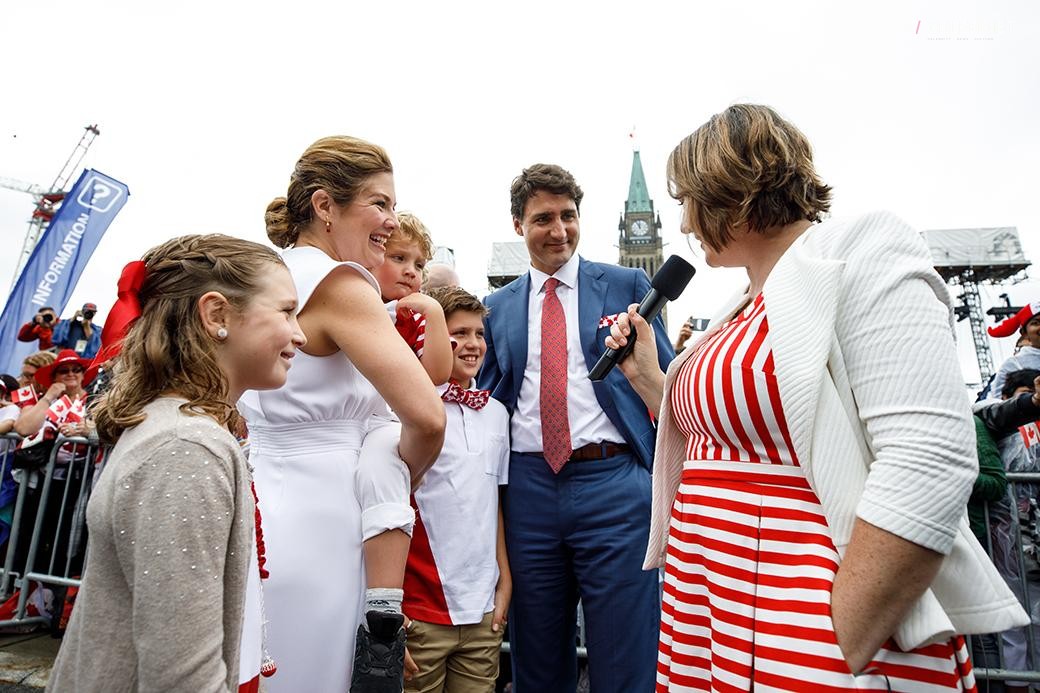
Justin Trudeau’s personal life has contributed to his public image. He married Sophie Grégoire Trudeau in 2005, and the couple has three children. Their family life has often been part of Trudeau’s public narrative, reflecting relatability and accessibility.
Trudeau is known for his charismatic personality and strong communication skills. His ability to connect with audiences has been a key factor in his political success. He often uses social media to engage with the public and share updates.
However, his public image has also faced scrutiny. Critics sometimes view his approach as overly focused on image and messaging. Supporters, on the other hand, see him as a modern and effective communicator.
Global Influence and International Role
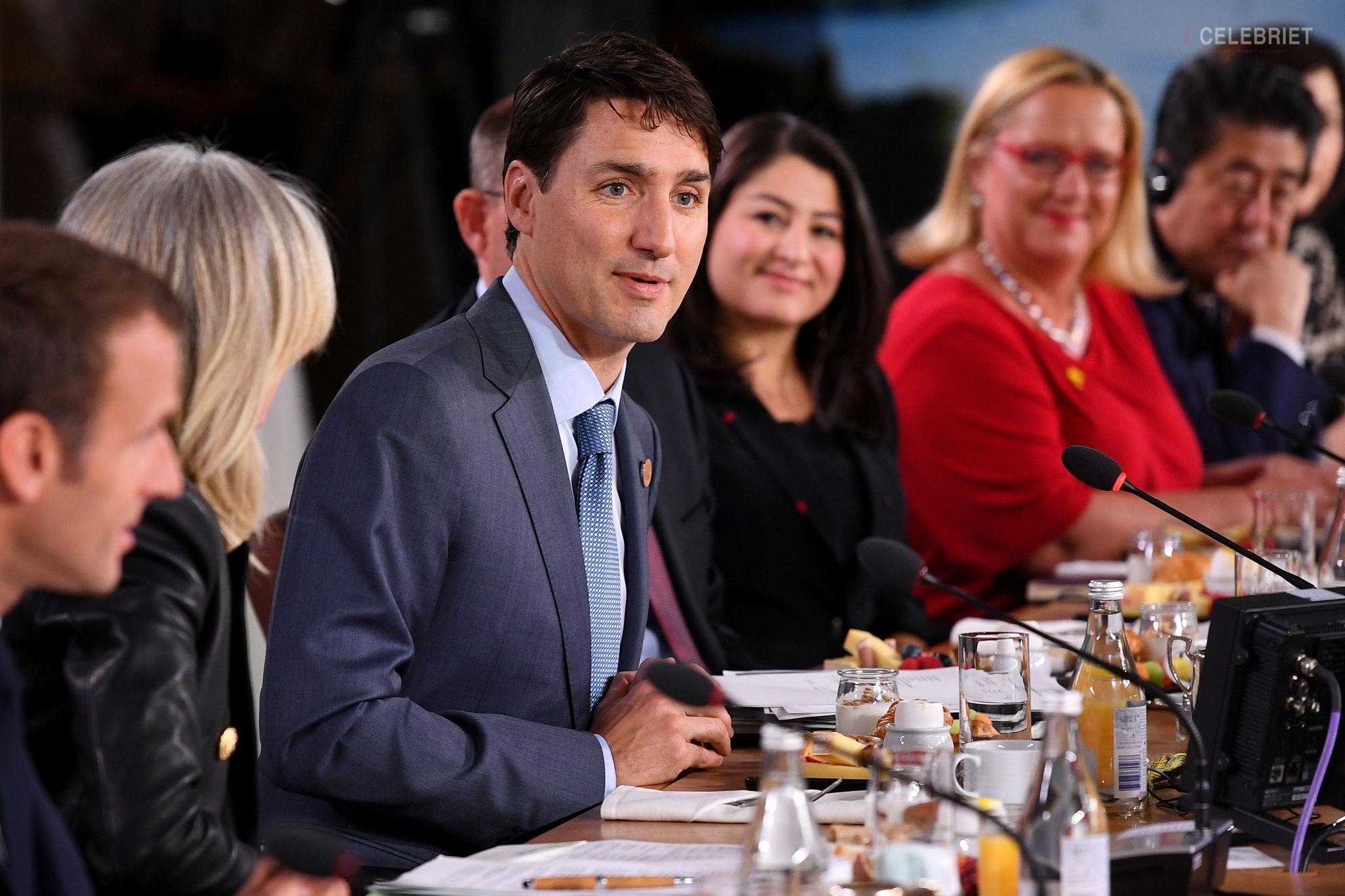
On the global stage, Justin Trudeau has positioned Canada as a leader in progressive policies and international cooperation. He has participated in major global forums such as the G7 and United Nations meetings, advocating for climate action and human rights.
Trudeau’s foreign policy emphasizes diplomacy and collaboration. He has worked to strengthen relationships with key allies while addressing global challenges. His approach reflects Canada’s role as a middle power with a strong international presence.
His leadership has also influenced global discussions on diversity and inclusion. Trudeau’s policies and public statements often align with broader progressive movements worldwide.
While his international reputation has generally been positive, it has also faced criticism depending on specific policies and decisions.
Political Career After 2015 and Elections
Since becoming Prime Minister, Justin Trudeau has led the Liberal Party through multiple federal elections. In 2019 and 2021, his party won minority governments, requiring cooperation with other political parties to pass legislation.
These election outcomes reflect both continued support and growing competition in Canadian politics. Trudeau’s ability to maintain leadership despite challenges demonstrates his political resilience.
His campaigns have continued to emphasize themes of progress, inclusion, and economic growth. At the same time, opposition parties have increasingly challenged his policies and leadership style.
The evolving political terrain in Canada continues to shape Trudeau’s role and influence.
Legacy and Impact
Justin Trudeau’s legacy is still being written, but his impact on Canadian politics is already significant. He has redefined the Liberal Party’s identity and influenced national discussions on key issues such as climate change and diversity.
His leadership style reflects a shift toward more inclusive and communicative governance. While not without controversy, his tenure has introduced policies and perspectives that have shaped Canada’s direction.
Trudeau’s influence extends beyond Canada, as he remains a recognizable figure in global politics. His approach to leadership has sparked both admiration and debate.
Justin Trudeau is the Prime Minister of Canada and a central figure in modern politics. From his early life as the son of a former prime minister to his rise as a national leader, his journey reflects a blend of legacy and individual achievement.
His time in office has been marked by significant policies, global engagement, and notable challenges. While opinions about his leadership vary, his impact on Canada and international politics is undeniable.
For those asking who Justin Trudeau is, the answer lies in his multifaceted role as a leader, communicator, and policymaker. His career continues to evolve, ensuring that his influence on politics remains relevant for years to come.