

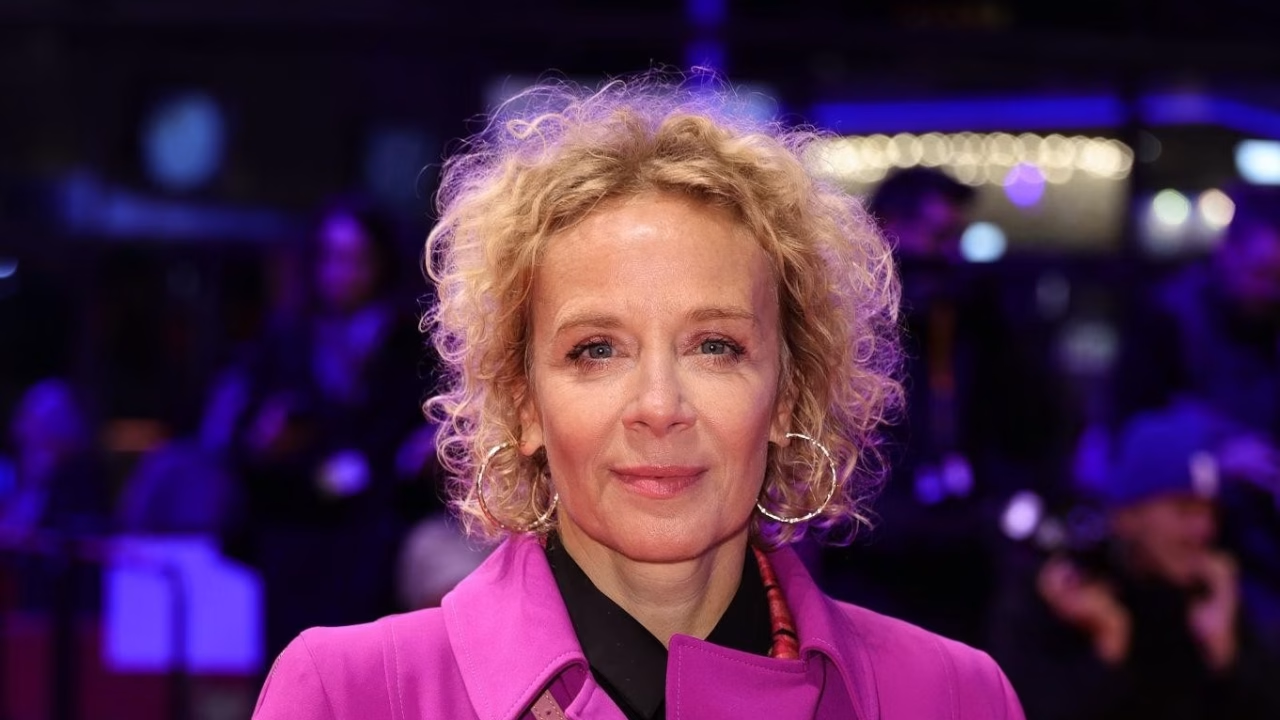
Katja Riemann has remained one of the most recognizable figures in German cinema for more than three decades. Known for her versatility across comedy, drama, television, theater, and music, she built a career that spans both commercial hits and critically acclaimed productions. Her performances in films such as Bandits, Rosenstraße, and the Fack ju Göhte series helped establish her as one of Germany’s most successful actresses.
Beyond acting, Riemann is also an author, singer, and UNICEF ambassador. Her influence extends beyond entertainment into humanitarian work and cultural advocacy. Over the years, she has received multiple awards for her performances while earning recognition for helping bring German cinema to international audiences.
From her early beginnings in theater to becoming an award-winning actress and public figure, Katja Riemann’s career reflects longevity, adaptability, and artistic ambition.
Early Life and Education
Katja Riemann was born on November 1, 1963, in Kirchweyhe near Bremen, West Germany. She grew up in a family of teachers and spent much of her childhood in northern Germany. According to multiple biographical sources, she initially showed interest in dance before shifting her focus toward acting, music, and theater.
After completing school, Riemann pursued professional artistic training. She studied music and theater in Hanover before continuing her education at the Otto Falckenberg School of the Performing Arts in Munich. These institutions are among Germany’s most respected performing arts schools and played a major role in shaping her acting foundation.
Before becoming a film star, she gained valuable stage experience in theater productions. Those early years helped develop the expressive acting style that later became one of her trademarks.
The Beginning of Her Acting Career
Riemann’s professional breakthrough began in television during the late 1980s. One of her earliest major appearances came in the television production Sommer in Lesmona, which helped introduce her to German audiences. Her growing visibility led to additional television projects and larger acting opportunities.
During the early years of her career, she balanced television, theater, and film work. This versatility allowed her to build a reputation as an actress capable of handling very different genres. Industry observers quickly recognized her ability to combine emotional depth with strong screen presence.
The exposure she gained during this period laid the groundwork for the major film roles that would define her career throughout the 1990s.
Mainstream Success in German Cinema
The 1990s marked a turning point for Katja Riemann. She gained wider recognition through successful German productions that appealed to both critics and mainstream audiences. One of the films that significantly boosted her profile was Der bewegte Mann (Maybe… Maybe Not), directed by Sönke Wortmann. The film became one of Germany’s biggest commercial successes of the decade.
Her popularity continued to grow with projects such as Abgeschminkt! (Making Up!) and other romantic comedies that showcased her charisma and comedic timing. During this era, she became one of the most recognizable actresses in German entertainment.
Unlike many performers who become associated with a single genre, Riemann consistently moved between comedy, drama, and television. This flexibility helped sustain her relevance throughout changing trends in the film industry.
Bandits Became a Career-Defining Film
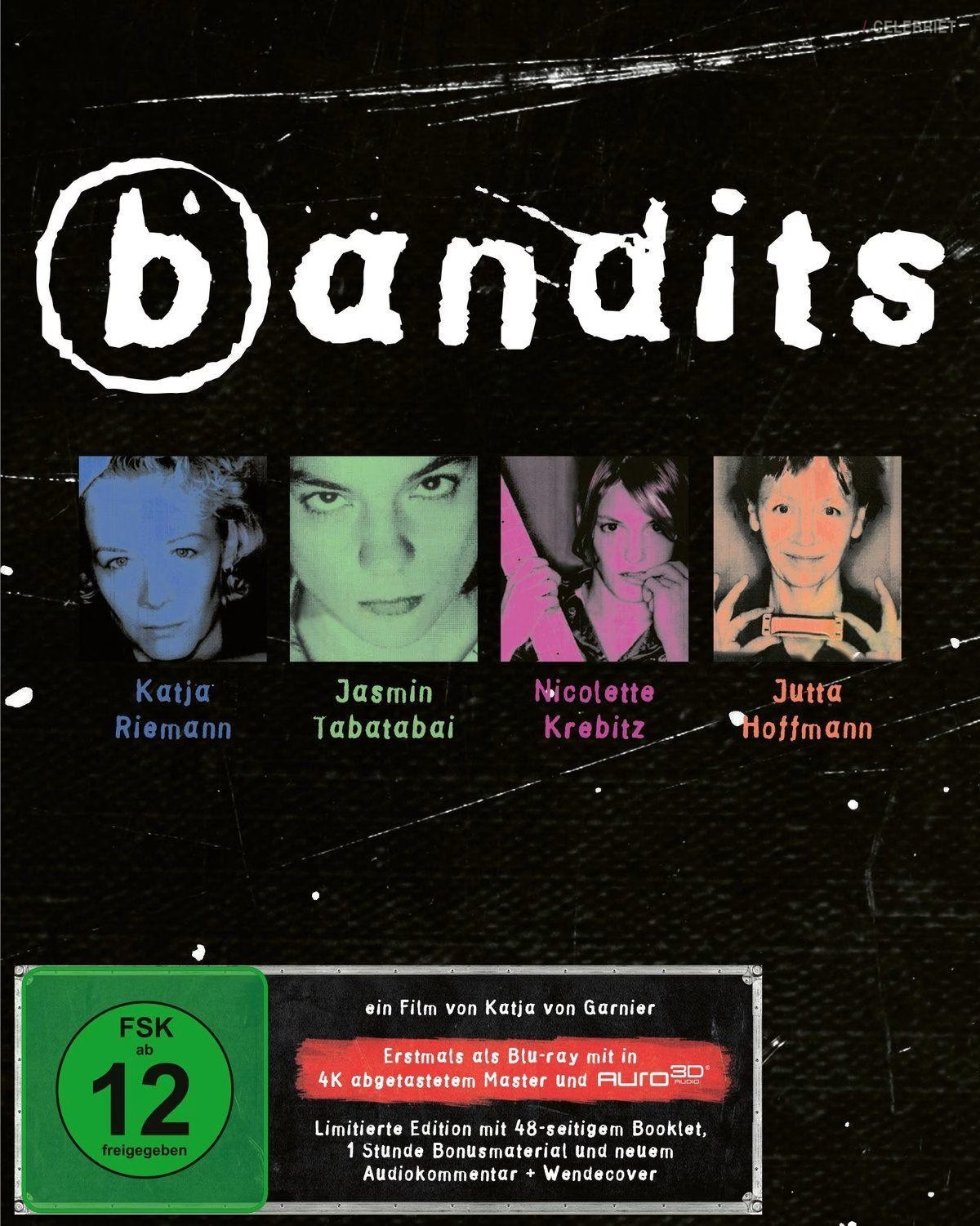
One of the most important projects in Katja Riemann’s career was Bandits (1997), directed by Katja von Garnier. The film followed four female prisoners who form a band and escape custody, blending drama, music, and social commentary. Riemann played Emma Moor, one of the central characters.
The film became both a commercial and cultural success in Germany. Its soundtrack gained popularity, and the movie developed a dedicated following. Riemann’s performance received widespread praise for balancing vulnerability and strength within a highly unconventional character.
Many critics still regard Bandits as one of the defining German films of the 1990s. The project helped establish Riemann as one of the country’s leading actresses and remains one of the works most closely associated with her career.
Critical Acclaim Through Dramatic Roles
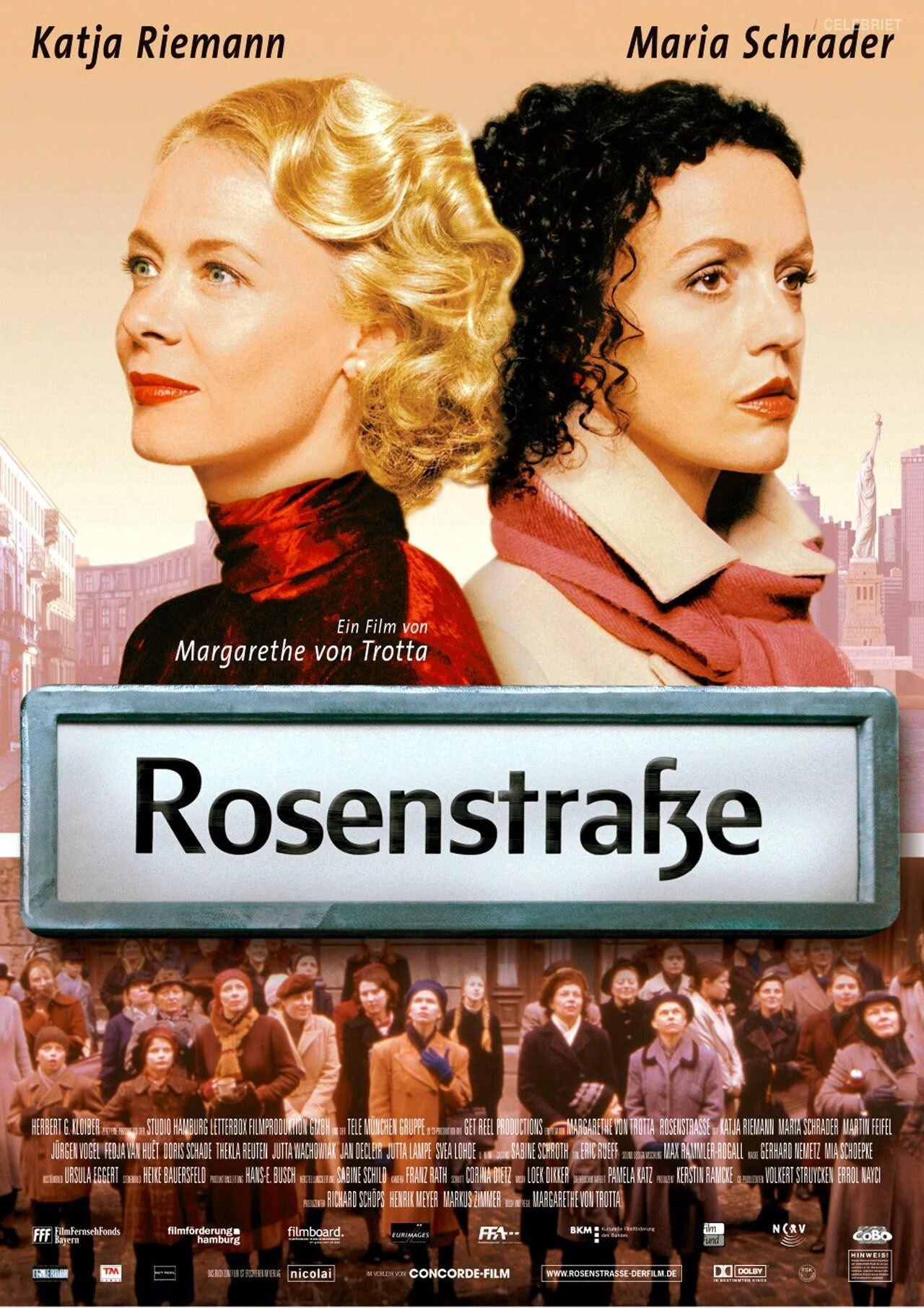
While comedy brought mainstream popularity, dramatic performances earned Riemann some of her strongest critical recognition. A major example was Rosenstraße (2003), directed by Margarethe von Trotta. The historical drama explored events connected to Nazi Germany and featured emotionally demanding performances.
The film received significant international attention and further elevated Riemann’s reputation. Critics praised her ability to handle serious historical material with authenticity and emotional complexity.
Another notable dramatic role came in Agnes and His Brothers (2004), where she participated in a character-driven story dealing with family relationships and identity. Projects like these demonstrated her willingness to take creative risks rather than relying solely on commercially safe roles.
Success in the Fack ju Göhte Franchise
A younger generation of viewers became familiar with Katja Riemann through the hugely successful Fack ju Göhte film series. She portrayed school principal Gudrun Gerster, a role that blended authority, humor, and eccentricity. The films became some of the highest-grossing German productions of the 2010s.
The franchise introduced Riemann to audiences who may not have been familiar with her earlier dramatic work. Her performance added comedic energy while helping connect the series to broader audiences.
The popularity of Fack ju Göhte demonstrated her ability to remain relevant across multiple generations. Few actors successfully transition between decades of changing audience tastes, but Riemann managed to do so consistently.
Television, Theater, and Music

Although film remains central to her career, Katja Riemann has never limited herself to one medium. She continued appearing in television productions while maintaining connections to theater. According to biographical records, she performed in major German theaters throughout different stages of her career.
Music has also played an important role in her artistic identity. Her musical abilities became particularly visible during projects such as Bandits. This combination of acting and music contributed to her distinctive public image.
Her ability to work across film, television, theater, and music helped create a career that is broader than many of her contemporaries. Rather than specializing in a single area, she developed a multidisciplinary artistic profile.
Awards and Major Achievements
Katja Riemann’s achievements have been recognized through numerous industry honors. According to film records, she won multiple Bavarian Film Awards, including Best Actress awards during the 1990s. These wins helped establish her reputation among Germany’s most respected performers.
She is also among the actresses who have received multiple German Film Awards during their careers. Industry recognition consistently highlighted both her commercial success and artistic achievements.
What makes her awards particularly notable is the variety of roles recognized. Rather than being celebrated for one specific performance type, she earned acclaim across comedy, drama, and ensemble productions.
Humanitarian Work and UNICEF Involvement
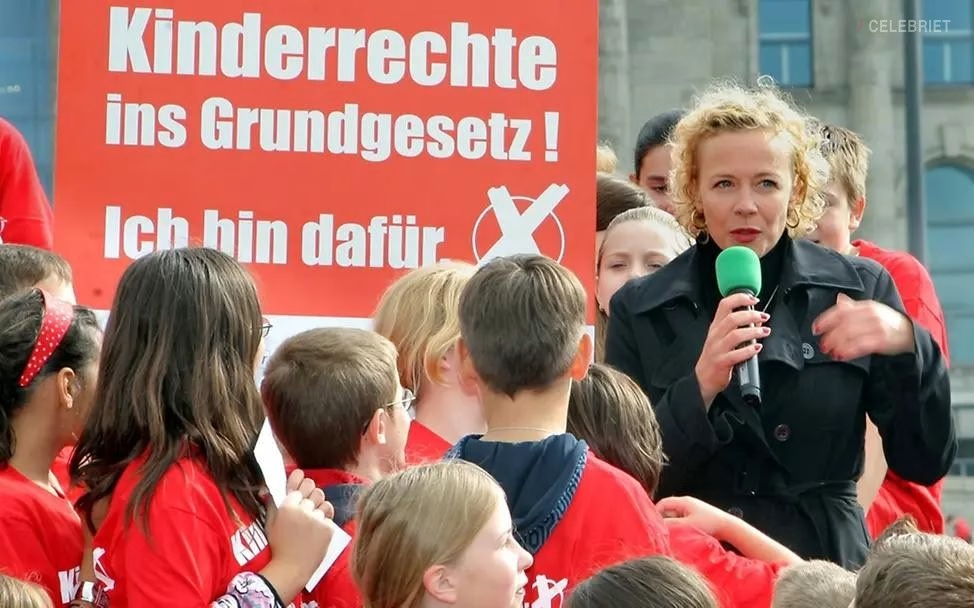
Outside entertainment, Riemann has become known for humanitarian and advocacy work. She serves as a UNICEF ambassador and has participated in campaigns focused on children’s welfare, education, and humanitarian issues. Her involvement expanded her public influence beyond cinema.
Her advocacy work has taken her to refugee camps and international development projects. These experiences later influenced some of her writing and public speaking activities. In 2010, she received Germany’s Federal Cross of Merit in recognition of her humanitarian contributions.
This aspect of her career reflects a commitment to social causes that extends beyond celebrity endorsements. It also helped shape her reputation as a public intellectual and activist.
Author and Public Intellectual

In recent years, Katja Riemann expanded into writing. Her official website and literary festival profiles describe her as both an actress and author. She has published books addressing humanitarian issues and later moved into fiction writing.
Her literary work often draws from experiences gained through activism and international travel. Rather than treating writing as a side project, she has approached it as another serious creative discipline.
This transition demonstrates her continuing evolution as an artist. Even after decades of success in film, she continues exploring new forms of storytelling.
Personal Life
Katja Riemann’s personal life has occasionally attracted media attention, though she generally maintains a relatively private profile. She previously had a long-term relationship with actor Peter Sattmann. Their daughter, Paula Riemann, later built her own career as a filmmaker and creative artist.
Unlike many public figures, Riemann tends to keep the focus on her work rather than personal publicity. Interviews frequently center on her artistic projects, humanitarian efforts, and cultural discussions.
This approach has contributed to her image as a serious performer dedicated primarily to her craft.
Why Katja Riemann Remains Important
Katja Riemann remains important because she represents multiple eras of German entertainment. Few performers successfully navigate commercial blockbusters, arthouse cinema, theater, music, and activism while maintaining credibility across all fields.
Her career reflects the evolution of modern German cinema itself. From the popular comedies of the 1990s to contemporary dramatic productions, she has remained a constant presence. Her ability to adapt while preserving artistic integrity continues to earn respect within the industry.
For younger actors, Riemann’s career offers a model of longevity built on versatility rather than trend-driven popularity.
Katja Riemann has spent more than three decades establishing herself as one of Germany’s most accomplished actresses. Through films such as Bandits, Rosenstraße, The Harmonists, and the Fack ju Göhte franchise, she built a body of work that combines critical acclaim with mainstream success.
Her achievements extend beyond acting into music, writing, and humanitarian advocacy. Whether on screen, on stage, or through her social activism, she has consistently used her platform to engage audiences and contribute to broader cultural conversations.
Understanding who Katja Riemann is means recognizing more than a successful film career. She represents artistic versatility, cultural influence, and a commitment to meaningful storytelling that continues to shape German entertainment today.