Few recent music groups have generated as much curiosity as KATSEYE. Unlike traditional K-pop groups formed entirely in South Korea or Western girl groups built through record-label auditions, KATSEYE was created as a hybrid project designed to merge both systems. The six-member group emerged from a partnership between HYBE and Geffen Records, combining the rigorous trainee structure of K-pop with a more globally focused pop identity.
The group officially debuted in 2024 after surviving a highly competitive audition and training process documented through the reality project The Debut: Dream Academy and later expanded through Netflix’s Pop Star Academy: KATSEYE. According to Netflix Tudum and official HYBE x Geffen materials, more than 120,000 applicants auditioned worldwide before the final six members were selected.
What makes KATSEYE especially interesting is that the group was never designed to fit neatly into one market. Their members come from multiple countries and cultural backgrounds, and their music intentionally blends Western pop structure with K-pop-style performance precision. That combination has quickly turned them into one of the most closely watched new acts in global pop music.
How KATSEYE Was Formed
The origins of KATSEYE trace back to 2021, when HYBE and Geffen Records announced plans to build a new kind of international girl group. According to official HYBE x Geffen audition information, the companies launched a worldwide talent search targeting singers, dancers, rappers, songwriters, and performers between the ages of 15 and 20.
Auditions took place across several countries, including South Korea, the United States, Japan, and the United Kingdom. From more than 120,000 submissions, 20 trainees advanced into The Debut: Dream Academy, a competition series where contestants were evaluated through vocal, dance, and performance missions.

Unlike traditional survival shows focused mostly on Korean audiences, Dream Academy targeted a global fanbase from the beginning. Fans worldwide voted during missions, helping shape the final lineup. This audience participation created a strong emotional investment before the group even officially debuted.
According to Grammy.com, the project was designed to create a “global girl group” using K-pop development systems while aiming directly at the international pop market.
According to the group’s official member profiles and KProfiles, KATSEYE consists of six members: Sophia, Daniela, Lara, Megan, Manon, and Yoonchae.
Sophia Laforteza
Sophia, originally from the Philippines, quickly became one of the standout contestants during Dream Academy. Many fans viewed her as a natural leader because of her confidence, vocal consistency, and stage presence. She later emerged publicly as one of the group’s spokespersons during interviews and promotional events.
Daniela Avanzini
Daniela brings Cuban and Venezuelan heritage to the group and became known during the competition for her strong dance skills and charisma. Her performance style helped establish much of the group’s stage energy.
Lara Rajagopalan
Lara attracted attention partly because of her Indian heritage and strong vocal ability. Entertainment coverage and fan discussions frequently highlighted how important her inclusion felt for South Asian representation within mainstream global pop spaces.
Megan Skiendiel
Megan, who comes from Hawaii, developed a reputation for versatility during the training process. Her adaptability across different performance concepts became one of her biggest strengths.
Manon Bannerman
Manon, who has Swiss, Ghanaian, and Italian roots, became especially recognizable for her visual presence and fashion-forward image. Her popularity online helped boost the group’s visibility internationally.
Yoonchae Jeong
Yoonchae is the group’s South Korean member and one of its youngest performers. She represents the strongest direct connection to traditional K-pop trainee culture within the lineup. Together, the members form one of the most internationally diverse groups currently operating in mainstream pop music.
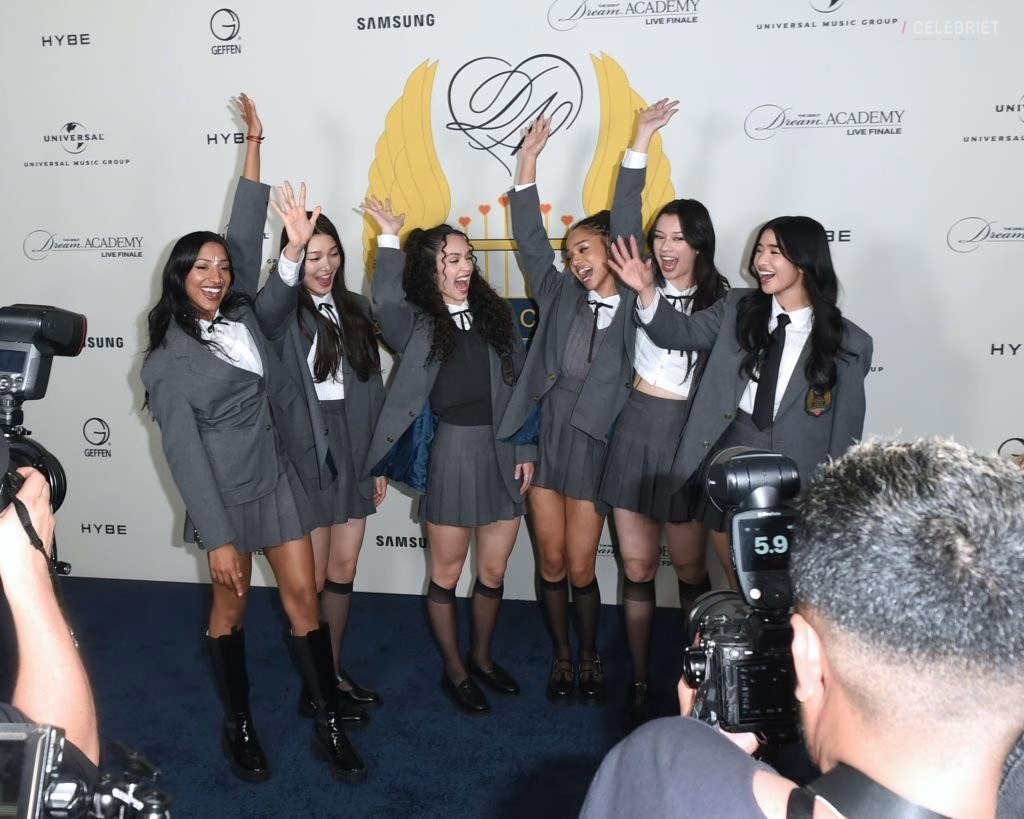
What Makes KATSEYE Different From Traditional K-pop Groups?
The biggest thing separating KATSEYE from many K-pop groups is that the project was built specifically for global crossover from the beginning.
Most K-pop groups debut primarily in South Korea before slowly expanding internationally. KATSEYE reversed that formula. According to The Grammy Awards coverage, HYBE and Geffen wanted a group that could function naturally across multiple markets rather than adapting later.
The members primarily speak English publicly, their music blends Western pop structures with K-pop production techniques, and their branding feels intentionally international rather than region-specific.
At the same time, the group still follows many core K-pop systems. Members underwent intense trainee development, synchronized choreography remains central to performances, and fan engagement strategies closely resemble K-pop fandom culture.
This hybrid identity has sparked debate online about whether KATSEYE should technically be considered a K-pop group at all. Some fans view them as global pop artists influenced by K-pop rather than a traditional idol group. That ambiguity is partly why the project has drawn so much attention.
KATSEYE officially debuted on June 28, 2024, with the single “Debut” and later expanded their rollout through the EP SIS (Soft Is Strong). According to official group profiles and entertainment coverage, the debut emphasized themes of confidence, individuality, and international identity.
Songs like “Touch,” “Debut,” and later “Gnarly” helped establish the group’s sound as more experimental and Western-facing compared to many traditional K-pop releases. Their music leaned heavily into hyperpop, dance-pop, and internet-driven aesthetics.
That creative direction divided some listeners initially. A recent feature from The Guardian noted that tracks like “Gnarly” generated both intense praise and online mockery because of how chaotic and unconventional the production felt. However, the same article also highlighted the strength of KATSEYE’s fandom, describing fans traveling long distances for opportunities to see the group perform.
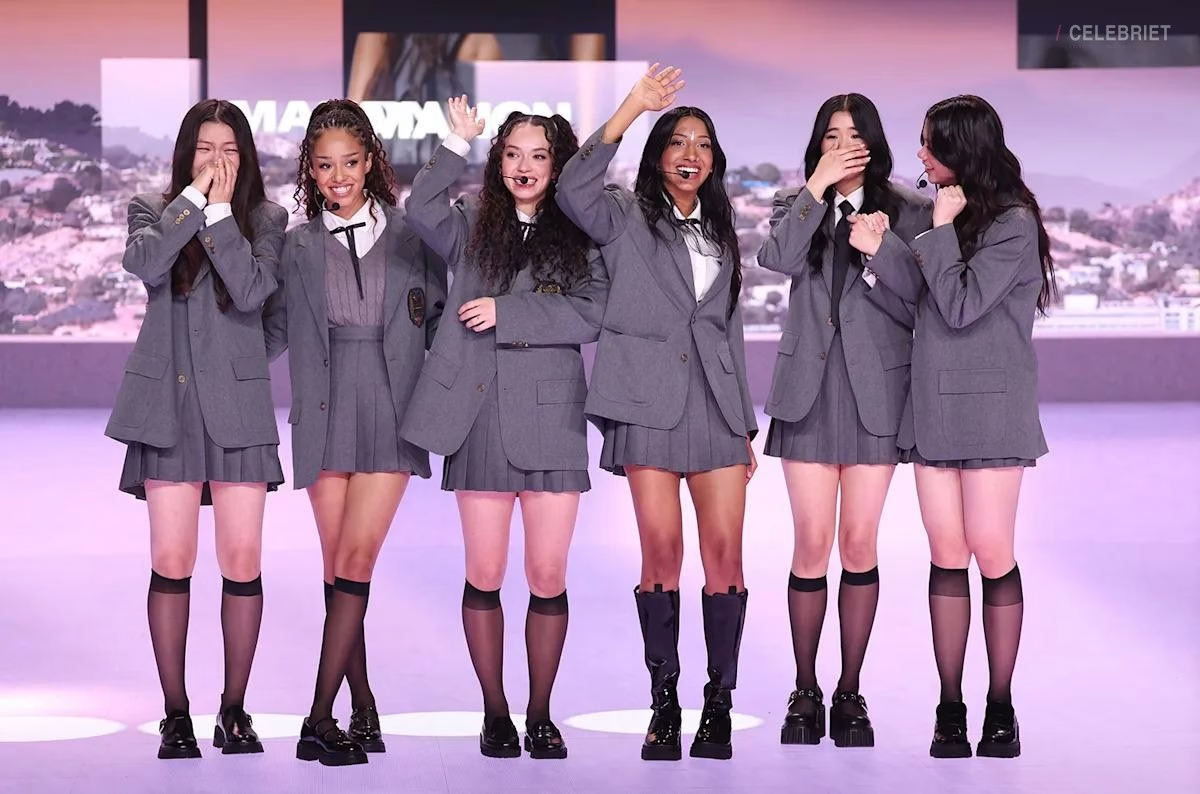
Their popularity has continued growing through social media virality, streaming success, and high-profile live appearances.
Netflix played a Huge Role in its rise
One major factor behind KATSEYE’s rapid recognition was Netflix’s Pop Star Academy: KATSEYE documentary series.
The series gave viewers a behind-the-scenes look at the trainee process, showing the physical and emotional pressure involved in building the group. According to Netflix Tudum, the documentary followed the contestants through months of training, eliminations, and evaluations before the final lineup debuted.
This transparency helped audiences connect emotionally with the members long before the official debut. Instead of appearing suddenly as polished idols, KATSEYE members were introduced as trainees struggling through an intense system.
That approach mirrored what survival shows like Produce 101 and Boys Planet achieved for K-pop groups, but Netflix’s global reach expanded the audience far beyond traditional K-pop fandom spaces.
The documentary also reinforced the group’s larger branding as a truly international experiment rather than just another label debut.
KATSEYE’s Global Identity Is Central to Their Appeal
KATSEYE’s diversity is not just a marketing detail. It is central to how the group operates and why many fans connect with them.
Members come from different ethnic, cultural, and linguistic backgrounds, something still relatively uncommon in mainstream idol groups. Recent reporting from The Guardian
described the group as representing a broader shift toward globalized pop acts that reflect international fandom culture more directly.
Fans often mention representation as one of the reasons they feel emotionally attached to the group. Lara’s South Asian background, Sophia’s Filipino roots, and Manon’s mixed heritage all helped attract audiences who rarely see themselves represented in traditional pop groups.

At the same time, the group’s global branding also creates unique pressures. Recent coverage from Indian media outlets highlighted the online harassment and racist attacks some members have faced despite the group’s growing popularity.
Those challenges have become part of the larger conversation surrounding KATSEYE’s rise and the realities of operating as a highly visible multinational group online.
Why KATSEYE’s Future Looks So Important
Even though KATSEYE is still early in its career, many industry observers already view the group as a major test case for the future of global pop.
The project represents HYBE’s broader attempt to expand beyond Korean-language entertainment into fully international artist development. If successful in the long term, KATSEYE could influence how future global groups are built.
Recent reporting from Harper’s Bazaar and The Guardian shows that the group is already attracting attention far beyond standard rookie-level coverage, including Grammy nominations, major festival appearances, and global brand partnerships.
More importantly, KATSEYE has managed to build an identity that feels different from both classic Western girl groups and traditional K-pop acts. That balance may ultimately become the biggest reason their rise matters so much within the modern music industry.