Over the last decade, few comedians have used social media more effectively than Kountry Wayne. What started as short Facebook videos filmed with simple setups eventually evolved into a massive digital comedy brand that now includes sold-out stand-up tours, streaming specials, acting projects, books, and millions of followers across platforms.
Unlike many internet personalities who struggle to transition into mainstream entertainment, Wayne successfully turned viral attention into a long-term comedy career. His skits, often centered around family drama, relationships, church culture, and Southern life, resonated with audiences because they felt grounded in real experiences rather than internet trends alone. Over time, his consistency helped him build one of the most loyal fanbases in online comedy.
Today, Kountry Wayne is widely recognized as one of the comedians who helped redefine how entertainers can build careers independently through social media. His rise from small-town Georgia to major comedy venues reflects not only internet fame but also years of relentless content creation and business strategy.
Kountry Wayne’s Early Life and Real Name
Kountry Wayne was born DeWayne Jamarr Colley on December 9, 1987, in Millen, Georgia. Multiple interviews, including a 2026 profile from the Los Angeles Times, describe his upbringing as financially difficult, with Wayne often speaking openly about growing up in poverty in a small Southern town.
Before comedy, Wayne originally pursued music and hoped to become a rapper. In interviews with platforms like ABC News and The Rickey Smiley Morning Show, he explained that performance and entertainment always interested him, even before he found success online.
Growing up in rural Georgia also became central to his comedic identity. Wayne frequently references Southern culture, family dynamics, church communities, and country slang in both his stand-up material and social media skits. According to the Los Angeles Times interview, he described himself as “the new version of Beverly Hillbillies,” emphasizing that he never tried to abandon his roots after becoming famous.
That authenticity became one of the defining reasons audiences connected with him so strongly online. Kountry Wayne’s breakthrough came through short comedy videos posted on Facebook and Instagram around 2014. At a time when many comedians still relied heavily on clubs, television appearances, or traditional industry connections, Wayne focused directly on social media audiences.
His skits usually revolved around exaggerated but relatable relationship conflicts, baby-parent drama, church humor, and everyday misunderstandings. Importantly, the videos were released at an extremely high volume. According to the 2026 interview on The Rickey Smiley Morning Show, Wayne’s production team eventually grew large enough to release over 1,200 new sketches per month.
That consistency helped him dominate Facebook’s video algorithm during the platform’s peak viral-video era. While many creators posted occasionally, Wayne treated content creation like a full-scale business operation.
His style also stood out because he leaned heavily into clean or relatively family-friendly comedy. In the Rickey Smiley interview, Wayne explained that a former manager and motivational speaker, Les Brown, encouraged him to avoid overly explicit material. This approach expanded his audience significantly. Families, older viewers, and church communities who avoided more explicit comedians still embraced Wayne’s content online.
Social Media Turned Him Into a Major Comedy Brand
By the late 2010s, Kountry Wayne had become one of the internet’s biggest comedy creators. His skits regularly generated millions of views, and collaborations with celebrities and athletes increased his visibility even further.
According to his profile information and entertainment coverage, Wayne’s videos eventually featured appearances from stars like Ludacris, Mike Epps, and Lamar Odom.
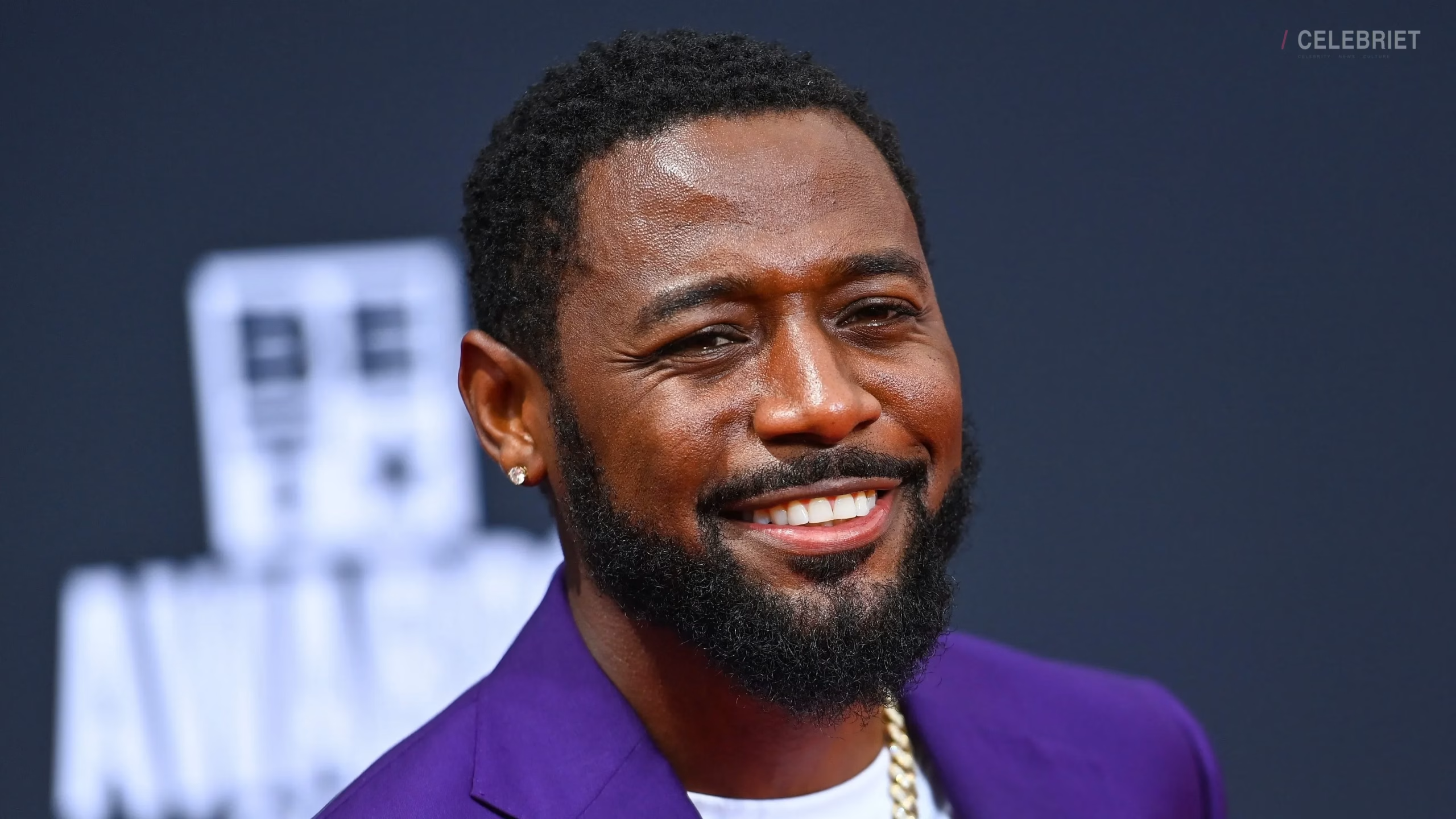
Unlike some creators who remained dependent on algorithms alone, Wayne also built ownership around his audience. Interviews repeatedly emphasize that he viewed social media less as a side tool and more as the foundation of his business.
A recent Axios report discussing modern internet comedians described Wayne as part of a new generation of performers who bypassed traditional entertainment gatekeepers entirely through viral content.
This shift mattered because Wayne’s rise happened during a major transformation in comedy itself. Audiences increasingly consumed humor through smartphones and short-form clips rather than television specials alone.
His Stand-Up Career Expanded Rapidly
One misconception about Kountry Wayne early in his career was that he was only a social media comedian. Wayne spent years pushing back against that label by focusing heavily on live stand-up.
According to his official biography and multiple interviews, Wayne gradually expanded from smaller clubs into theaters and major national tours. He performed at the Netflix Is a Joke Festival in 2022 and later released his first Netflix special, A Woman’s Prayer, in 2023.
In 2026, the Los Angeles Times profiled Wayne’s Amazon Prime special Nostalgia, describing how he used themes from 1990s sitcoms and Southern upbringing to connect with audiences across generations.
Wayne himself acknowledged in interviews that many newer fans first discovered him through skits and did not initially realize he performed stand-up comedy at all. That transition from internet entertainer to respected touring comic became one of the biggest milestones of his career.
His live material differs somewhat from the shorter online videos, focusing more heavily on storytelling, fatherhood, relationships, and personal experiences growing up poor in Georgia.
Fatherhood Became Part of His Public Identity
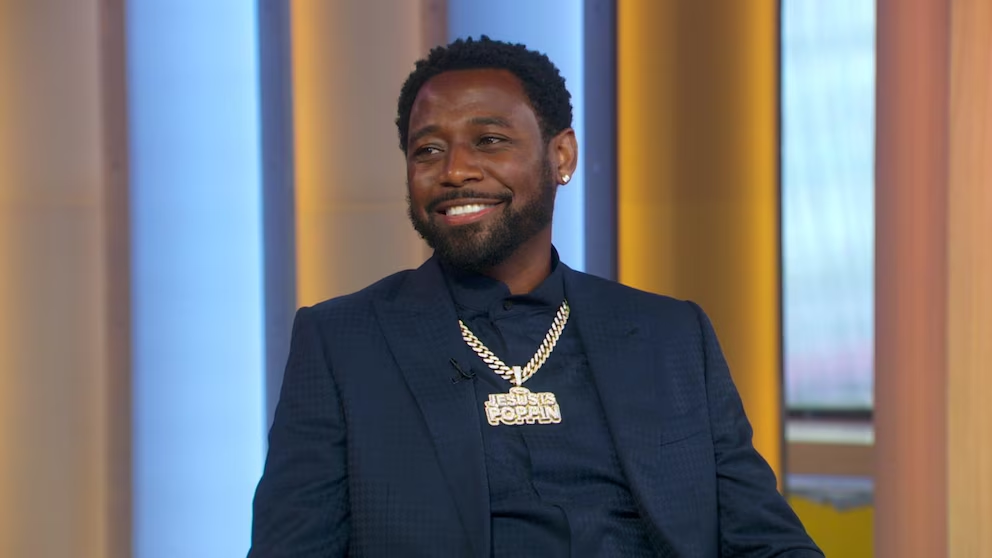
One of the most discussed aspects of Kountry Wayne’s public life is that he has 10 children. Wayne frequently incorporates fatherhood into both his comedy and interviews. According to the Los Angeles Times interview, he openly jokes that his complicated family structure became part of what made him stand out as a comedian.
Rather than hiding that part of his life, Wayne turned it into recurring comedic material and public storytelling. Fans often view his openness about parenting responsibilities as part of what makes him feel relatable despite his fame.
At the same time, Wayne has also discussed how becoming financially successful changed his family’s circumstances. In interviews, he explained that some of his earliest major purchases included homes and financial support for the mothers of his children.
This honesty helped distinguish him from comedians who rely mostly on fictional personas. Wayne’s audience often feels closely connected to his real-life story because he shares large parts of it publicly.
As his online following grew, Wayne expanded into acting, producing, and publishing. According to official film credits and entertainment coverage, he appeared in projects including Holiday Heartbreak, Praise This, and the independently produced film Strange Love, which he also executive-produced.
In 2023, Wayne also released the memoir Help Is On the Way, which explored his upbringing, faith, fatherhood, and rise through comedy. The book’s foreword was written by Cedric the Entertainer.
These projects reflected Wayne’s larger goal of evolving from viral creator into a broader entertainment entrepreneur. Interviews suggest he increasingly sees himself as a filmmaker, producer, and businessman rather than just a stand-up comic.
What Kountry Wayne Is Doing Today
Kountry Wayne’s success represents a major shift in how comedy careers can be built today. Unlike earlier generations that depended heavily on television networks or comedy clubs, Wayne built his audience directly through social media platforms. His rise demonstrated that comedians could create massive independent fanbases before traditional Hollywood even became involved.
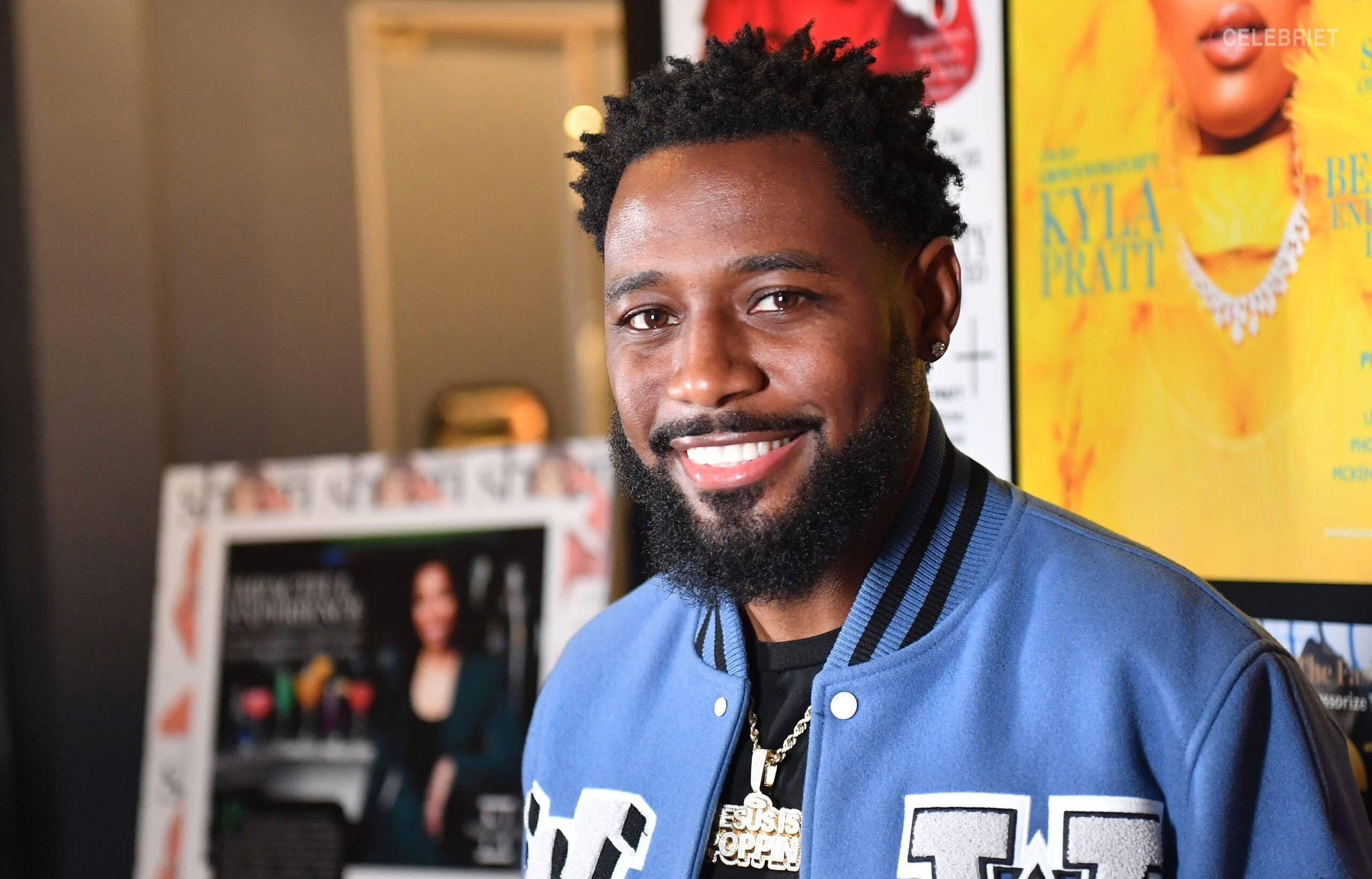
A recent Axios feature described Wayne and similar creators as part of a new comedy generation powered by internet culture rather than older industry systems. At the same time, Wayne’s appeal goes beyond algorithms alone. His Southern identity, storytelling style, work ethic, and focus on relatable family situations helped him build unusually loyal audiences across demographics.
Importantly, he also expanded at the right time. Rather than remaining only a social media personality, Wayne transitioned successfully into touring, streaming specials, acting, and publishing before internet fame alone could fade.
Today, Kountry Wayne continues balancing stand-up tours, digital content, and film projects simultaneously. According to the Los Angeles Times profile and recent interviews, Wayne now views himself as entering a new phase creatively, focusing more heavily on larger entertainment projects and filmmaking.
Even with mainstream success, he still releases social media skits regularly, understanding that online audiences remain central to his brand. That balance between internet creator and traditional entertainer is part of what makes his career unusual.
More than anything, Kountry Wayne’s story reflects how dramatically comedy has changed in the social media era. What once required years inside clubs and television circuits can now begin with a smartphone, consistency, and direct audience connection. Wayne simply became one of the clearest examples of how powerful that model could become.
Another key element behind Kountry Wayne’s success is his discipline around content creation and routine. In multiple interviews, he has explained that he treats comedy like a full-time business, often filming daily and maintaining a strict schedule even while touring.
This consistency helped him stay visible in fast-moving social media algorithms, where many creators struggle to maintain long-term relevance. Industry coverage from Forbes has highlighted how creators who operate with this level of structure are more likely to turn viral success into sustainable careers, something Wayne managed more effectively than most of his peers.
At the same time, Kountry Wayne’s long-term impact may depend on how successfully he continues expanding beyond short-form comedy. While his stand-up specials and acting roles have already strengthened his credibility, the next phase of his career will likely involve larger storytelling projects, including film and television production.
If that transition continues successfully, Wayne could move from being known primarily as a viral comedian to a full-scale entertainment creator, positioning himself closer to multi-hyphenate figures who control both content and distribution in modern media.