


Steven Johnson is a bestselling American author, media theorist, and cultural critic known for exploring how innovation, science, and technology shape human life. Over the past two decades, he has built a reputation as one of the most insightful thinkers examining the intersection of ideas, networks, and creativity. His books, including Where Good Ideas Come From, Everything Bad Is Good for You, and The Ghost Map, have reached global audiences and influenced discussions across business, education, and technology sectors.
Johnson’s work stands out because it connects complex scientific and historical concepts with everyday life. Rather than focusing on abstract theory, he explains how ideas evolve through environments, collaboration, and chance discoveries. His writing appeals to readers interested in innovation, history, psychology, and the future of society.
For anyone asking who Steven Johnson is, the answer lies in his ability to make big ideas accessible while reshaping how we think about progress and creativity.
Early Life and Education
Steven Johnson was born on June 6, 1968, in Washington, D.C., United States. Growing up in an intellectually curious environment, he developed an early interest in reading, writing, and exploring how systems work. His upbringing played a significant role in shaping his later career as a writer and thinker.
He attended Brown University, where he studied semiotics, the study of signs and symbols and how meaning is created. This academic background influenced his later work, especially his interest in how information spreads through networks and cultures.
During his university years, Johnson began to develop a unique perspective on communication and media. His education helped him combine literary analysis with scientific thinking, a blend that would define his writing style.
These formative experiences laid the groundwork for a career focused on understanding how ideas evolve and influence society.

Career Beginnings in Journalism and Media
Steven Johnson began his professional career in journalism and media, working as a writer and editor. Early in his career, he co-founded the influential online magazine Feed, one of the first web-based publications to explore digital culture and technology.
Feed played a key role in shaping early internet journalism by combining thoughtful essays with multimedia storytelling. Johnson’s work during this period reflected his interest in how digital platforms were changing communication and creativity.
He later became a contributing editor at Wired magazine, one of the leading publications covering technology and innovation. His articles explored topics such as software, gaming, networks, and cultural shifts driven by technology.
These early experiences helped Johnson establish himself as a voice in the emerging field of digital culture. They also provided the foundation for his transition into long-form nonfiction writing.
Breakthrough as a Bestselling Author
Steven Johnson’s reputation grew significantly with the publication of his books, which brought his ideas to a broader audience. One of his early successes was Interface Culture (1997), which examined how digital interfaces shape the way people interact with information.
However, his major breakthrough came with Everything Bad Is Good for You (2005). In the book, Johnson argued that popular culture, including video games and television, can actually enhance cognitive skills rather than harm them. This perspective challenged traditional views and sparked widespread debate.
Another landmark work was The Ghost Map (2006), which told the story of a cholera outbreak in 19th-century London. The book combined history, science, and storytelling to show how data analysis helped solve a public health crisis.
These books established Johnson as a writer capable of making complex ideas engaging and accessible. His ability to blend storytelling with research became a defining feature of his career.
Where Good Ideas Come From and Innovation Theory
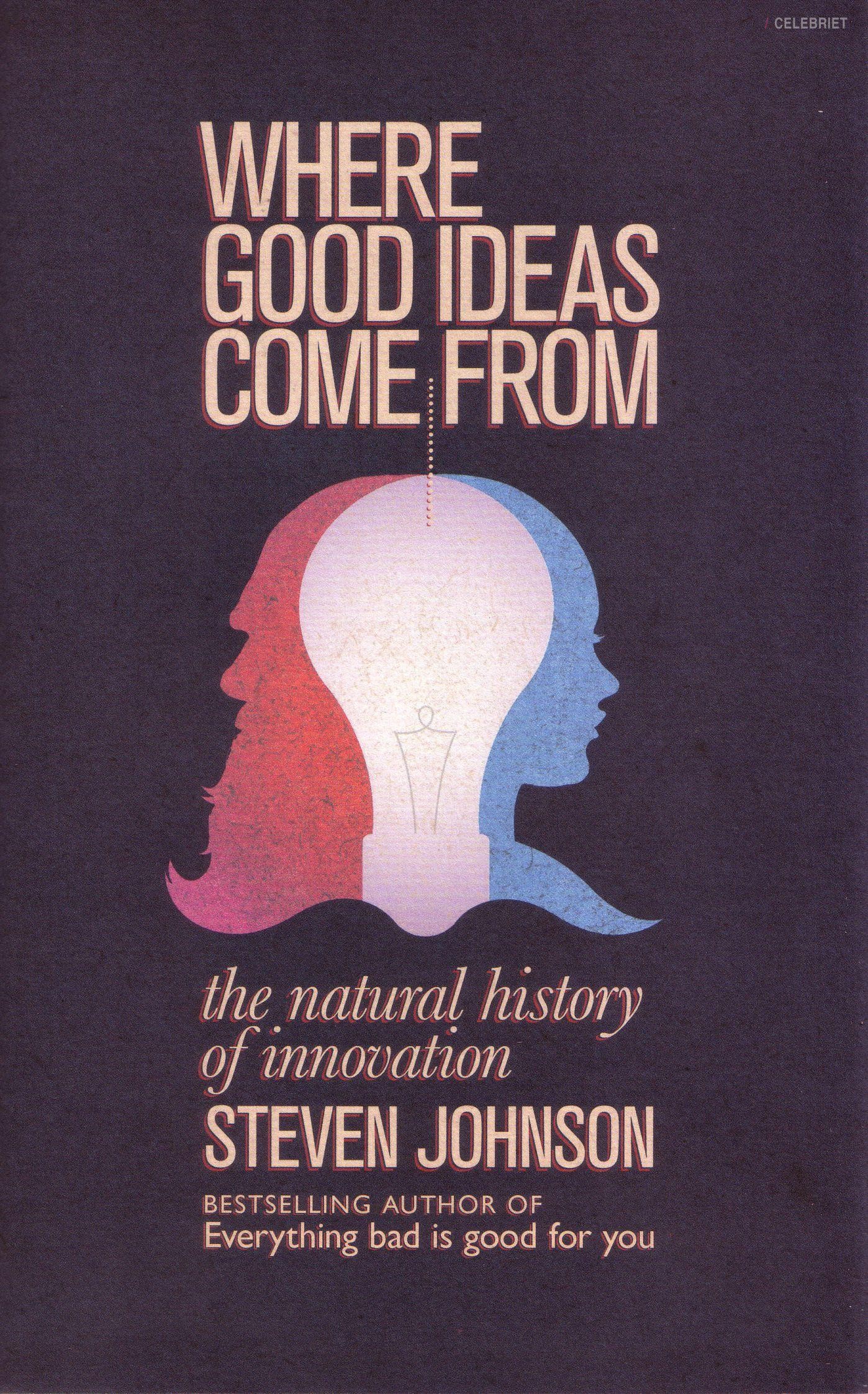
One of Steven Johnson’s most influential works is Where Good Ideas Come From (2010). In this book, he explored the environments and conditions that foster innovation, drawing on examples from science, business, and history.
Johnson argued that great ideas rarely emerge from isolated moments of genius. Instead, they develop through networks, collaboration, and gradual improvement over time. He introduced concepts such as the “adjacent possible,” which describes how new ideas build on existing ones.
The book became widely popular among entrepreneurs, educators, and business leaders. It provided a framework for understanding creativity that moved beyond traditional myths about individual brilliance.
Johnson’s ideas have been cited in discussions about workplace innovation, urban design, and education systems. His work continues to influence how organizations think about creativity and problem-solving.
Other Notable Books and Projects
Throughout his career, Steven Johnson has written numerous books covering a wide range of topics. Each work reflects his interest in how systems, ideas, and networks shape human progress.
In How We Got to Now (2014), he explored the history of key innovations such as glass, timekeeping, and sanitation. The book demonstrated how seemingly simple inventions can have far-reaching effects on society.
He also authored Farsighted (2018), which examined the science of decision-making. The book combined insights from psychology, economics, and history to explain how people make choices in uncertain situations.
Another significant work is Extra Life (2021), where Johnson explored how scientific and medical advancements have doubled human life expectancy over the past century. The book highlighted the role of innovation in improving global health.
These projects show the breadth of Johnson’s interests and his ability to connect different fields into a cohesive narrative.
Work in Television and Media Production

In addition to writing books, Steven Johnson has been involved in television and media production. He created and hosted the PBS series How We Got to Now, which was based on his book of the same name.
The series explored the history of everyday innovations and their impact on modern life. It received positive reviews for its engaging storytelling and educational value.
Johnson has also contributed to podcasts and digital media projects, further expanding his reach. His work often focuses on making complex ideas accessible to a wider audience.
Through these platforms, he has been able to reach viewers who may not typically read nonfiction books. This multimedia approach reflects his understanding of how ideas spread across different formats.
Themes and Writing Style
Steven Johnson’s writing is characterized by clarity, curiosity, and a focus on connections between ideas. He often uses storytelling techniques to explain scientific or historical concepts, making them easier to understand.
A key theme in his work is the importance of networks. Johnson frequently emphasizes how ideas emerge from collaboration and interaction rather than isolation. This perspective challenges traditional narratives about individual genius.
Another recurring theme is the role of environment in shaping innovation. Whether discussing cities, workplaces, or digital platforms, Johnson explores how spaces influence creativity.
His ability to combine research with engaging narratives has made his work accessible to a wide audience. Readers appreciate his talent for turning complex topics into compelling stories.
Influence on Technology and Culture
Steven Johnson’s ideas have had a significant impact on discussions about technology, education, and innovation. His work is often referenced in academic settings as well as in business and policy discussions.
For example, his argument that video games can improve cognitive skills has influenced debates about digital media and education. Similarly, his theories about innovation have been used by organizations seeking to foster creativity.
Johnson’s influence extends beyond his books. His articles, talks, and media appearances have helped shape public understanding of how technology affects society.
By bridging the gap between science and storytelling, he has contributed to a broader conversation about progress and human potential.

Personal Life and Interests
While Steven Johnson is best known for his professional work, he also leads a relatively private personal life. He has lived in various cities, including New York and London, reflecting his global perspective.
Johnson has expressed interest in urban life and how cities function as hubs of innovation. This interest is reflected in many of his writings, where he explores how dense environments encourage collaboration and idea exchange.
He is also active on social media, where he shares insights about technology, science, and culture. His online presence allows him to engage directly with readers and followers.
Despite his public career, Johnson maintains a focus on intellectual exploration and continuous learning.
Why Steven Johnson Matters Today
Steven Johnson’s work remains highly relevant in today’s rapidly changing world. As technology continues to evolve, understanding how ideas develop and spread has become increasingly important.
His emphasis on collaboration, networks, and gradual innovation provides a valuable framework for addressing modern challenges. Whether in business, education, or public policy, his ideas offer practical insights.
Johnson’s ability to communicate complex concepts in an accessible way makes him an important voice in contemporary discourse. His work encourages readers to think differently about creativity and progress.
For those seeking to understand how innovation happens, Steven Johnson’s books and ideas provide a compelling starting point.

Steven Johnson has built a career that spans journalism, authorship, and media production, all centered around one core idea: understanding how innovation works. From his early work in digital culture to his bestselling books on science and history, he has consistently explored the forces that shape human progress.
His ability to connect diverse fields, from technology and psychology to urban studies and medicine, has made him a unique voice in modern nonfiction. By challenging traditional assumptions about creativity and intelligence, he has influenced how people think about ideas and innovation.
For anyone asking who Steven Johnson is, the answer goes beyond his titles or achievements. He is a thinker who has helped redefine how we understand the origins of ideas, making complex concepts accessible to millions of readers worldwide.