For decades, Eddie Murphy was one of Hollywood’s most bankable stars. From the explosive success of Beverly Hills Cop and Coming to America to family hits like Dr. Dolittle and the Shrek franchise, Murphy dominated comedy across multiple generations. At his peak, he was not just a movie star but a defining force in American entertainment.
Then, almost suddenly, he seemed to disappear from major Hollywood releases for several years. Between 2011 and 2019, Murphy appeared in very few films, leading many fans to wonder whether he had quietly retired from acting altogether. The gap became especially noticeable because Murphy had previously maintained a constant screen presence for nearly three decades.
Importantly, Murphy himself has been unusually honest about why he stepped away. In multiple interviews, he explained that the hiatus was intentional and came after a period of frustration with the quality of his films and the direction of his career. Rather than fading away unwillingly, Murphy chose to stop, reassess, and eventually return on his own terms.
Eddie Murphy’s Career Had Reached a Difficult Point
By the late 2000s, Eddie Murphy was still commercially recognizable, but several of his films were being received poorly by critics. Movies like Norbit, Meet Dave, and A Thousand Words struggled critically, even when some performed reasonably well financially.
Murphy later admitted that this period deeply affected how he viewed his work. During an appearance on the WTF with Marc Maron podcast, later covered by BuzzFeed and The Playlist, Murphy openly said he was tired of making what he described as “shitty movies.” He also referenced receiving multiple Golden Raspberry Awards nominations, including recognition for “Worst Actor.”
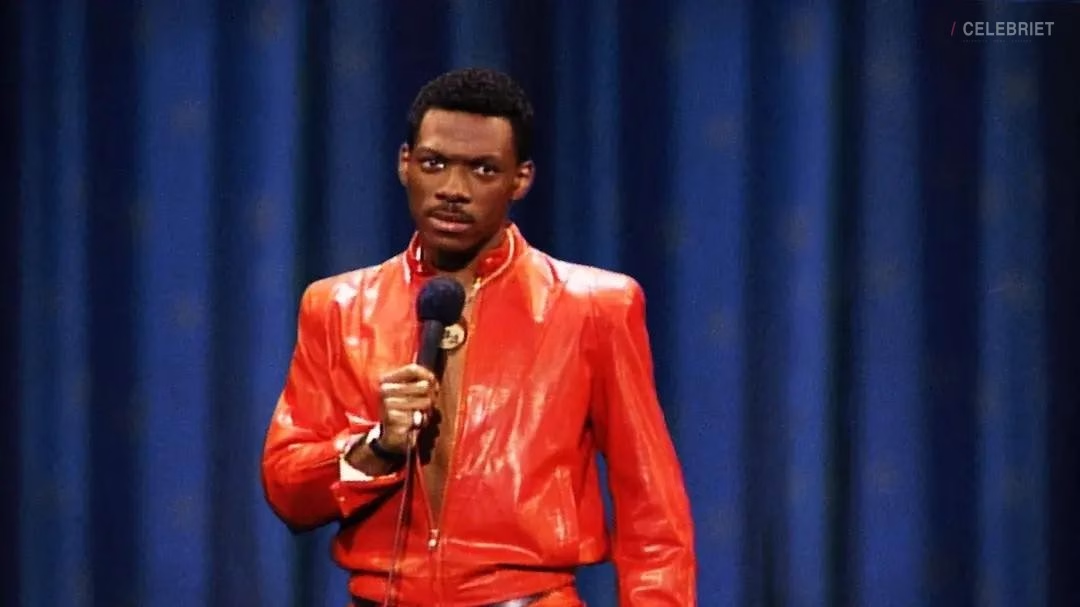
According to Murphy, that criticism forced him to reconsider the direction of his career. Rather than continuing to release projects he no longer felt passionate about, he decided it was better to stop entirely for a while. He explained that the negative reception made acting less enjoyable than it had been earlier in his career.
This honesty stood out because major Hollywood stars rarely acknowledge career dissatisfaction so directly. Murphy’s comments suggested that the hiatus was not caused by lack of offers or declining popularity alone, but by personal disappointment with his creative output.
One of the most interesting details Murphy shared about the hiatus is that he never originally intended to disappear for so long.
In the Marc Maron interview, Murphy said the original plan was simply to take a short break after 2011. However, as he stepped away from filmmaking, time passed much faster than expected. He joked that “all of a sudden, six years go by” while he was sitting comfortably at home.
That period became one of the longest stretches of Murphy’s career without major film activity. Between Tower Heist and Dolemite Is My Name, he largely stayed out of the spotlight aside from occasional appearances and voice work.
Murphy later admitted that part of the danger was how easy it became to stay away from Hollywood once he stopped working constantly. Unlike actors struggling financially or professionally, Murphy already had enormous success, wealth, and a cultural legacy secured. That meant he had little pressure forcing him back into the industry quickly.
Still, he eventually realized he did not want audiences to remember only the weaker films from the later stage of his career. That realization became one of the biggest reasons behind his eventual comeback.
He Wanted To Protect His Legacy
A major theme running through Murphy’s explanation is legacy. According to The Playlist, Murphy specifically said he did not want “the last bunch of” movies audiences remembered from him to be disappointing projects. Instead of continuing to release films without enthusiasm, he preferred waiting until he found work that genuinely excited him again.
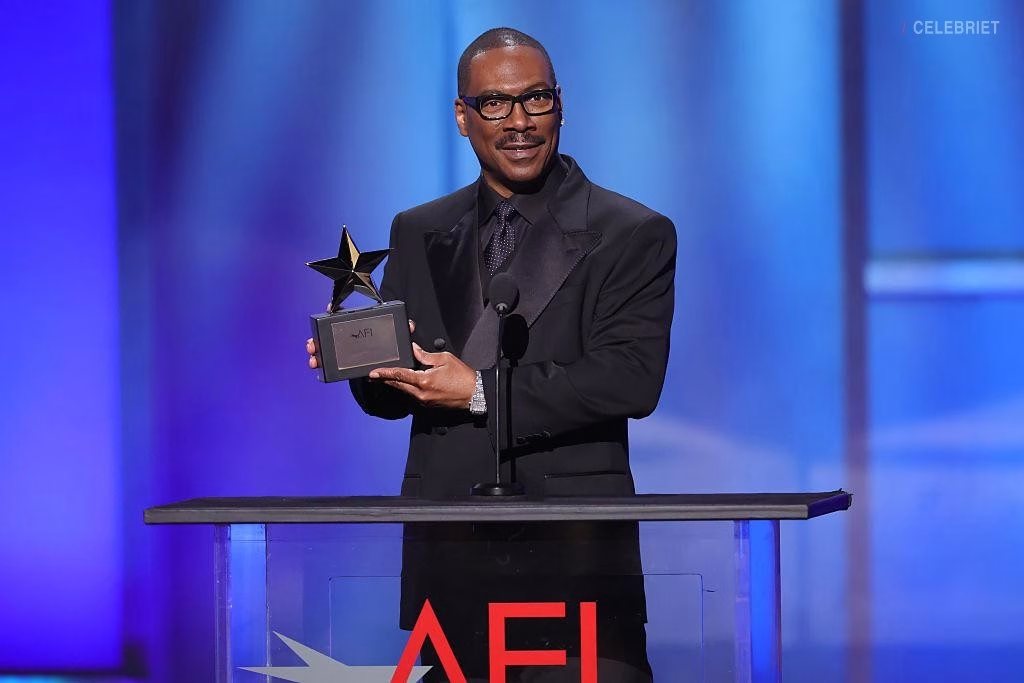
That mindset makes more sense when looking at Murphy’s earlier influence on comedy and Hollywood overall. During the 1980s and 1990s, he was widely considered one of the most important comedic actors in the industry. Films like Trading Places, The Nutty Professor, and Boomerang helped shape mainstream studio comedy for years afterward.
Murphy’s performances were also notable because he often played multiple characters in the same film, something that became part of his comedic identity. Even critics who disliked some later projects still acknowledged his enormous impact on comedy and Black Hollywood representation.
Because of that legacy, Murphy appears to have viewed the hiatus partly as reputation management. He wanted his eventual return to remind audiences why he became famous in the first place.
Family and Personal Life Also Became Priorities
Although Murphy mainly discussed creative dissatisfaction when explaining the hiatus, personal life also played a role.
During his years away from major Hollywood projects, Murphy focused more heavily on family life. The actor has ten children and spent much of the 2010s living relatively privately compared to his earlier superstar years.
Unlike younger actors still aggressively building careers, Murphy had already achieved nearly every major milestone possible in comedy and film. That freedom allowed him to spend more time outside the intense production cycle that had defined much of his adult life.
Several entertainment outlets later described the hiatus less as a collapse and more as a deliberate withdrawal from constant celebrity visibility. A 2025 feature from Marie Claire included Murphy among stars who “un-retired” after stepping away from acting due to burnout and dissatisfaction.
This framing matters because Murphy’s absence was often interpreted incorrectly as career decline alone. In reality, he repeatedly emphasized that stepping away was largely his own decision.
Dolemite Is My Name Changed Everything
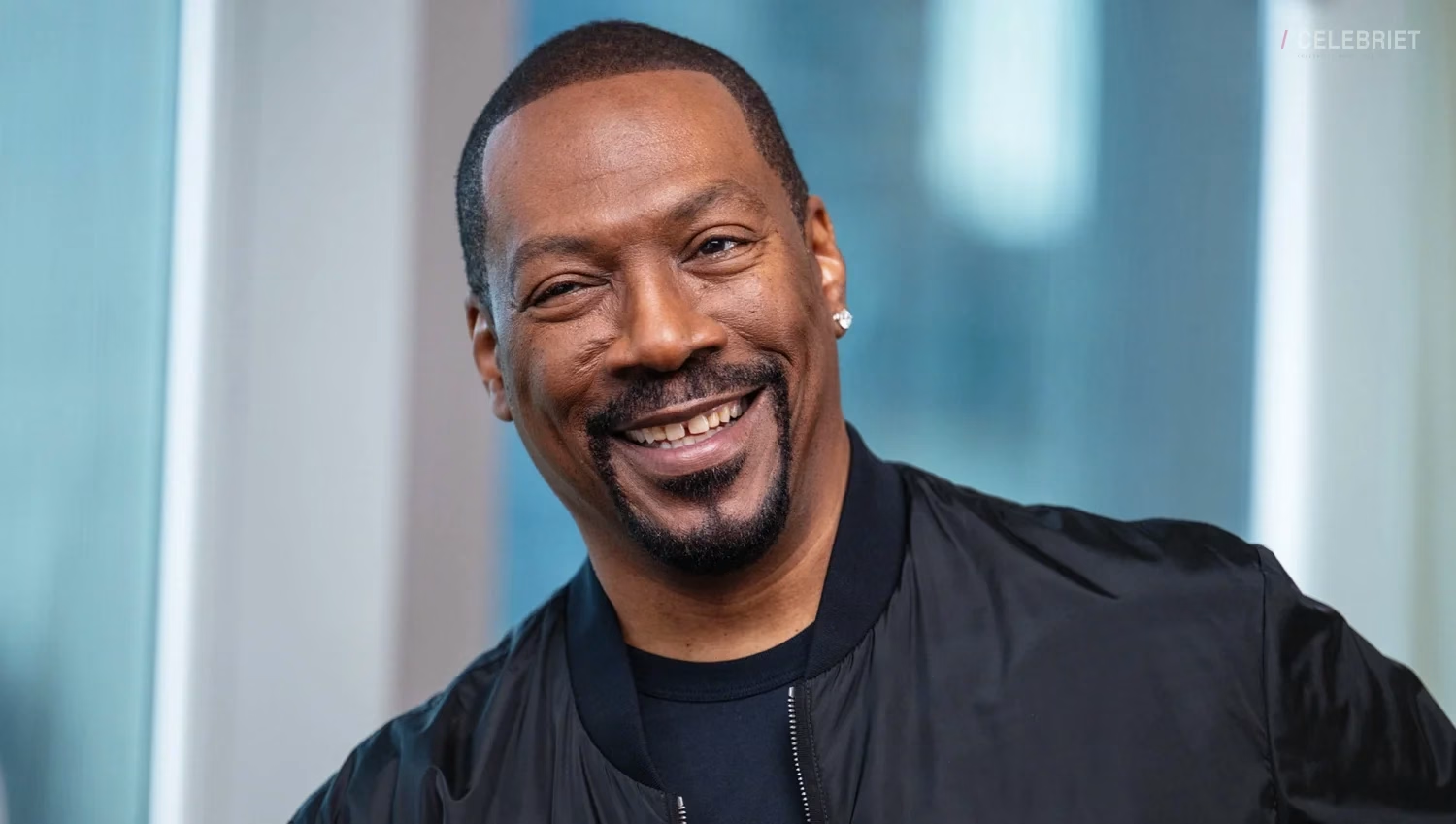
Murphy’s comeback officially began with Dolemite Is My Name, the Netflix biographical comedy about comedian and filmmaker Rudy Ray Moore.
The role received some of the best reviews of Murphy’s career in years. Critics praised the performance for reconnecting Murphy with the energetic charisma and comedic confidence that originally made him a star. The comeback narrative surrounding the film became so strong that Murphy received awards attention and renewed mainstream acclaim.
Murphy later explained that his plan involved a carefully chosen sequence of projects. In the Marc Maron interview, he said he wanted to do Dolemite, return to Saturday Night Live, release Coming 2 America, and eventually return to stand-up comedy.
That strategy worked. His 2019 SNL hosting appearance earned enormous praise and even won him an Emmy Award. Many fans viewed the episode as proof that Murphy had fully rediscovered his comedic rhythm.
One reason Murphy’s comeback resonated so strongly is that he returned with a noticeably different attitude toward project selection.
Instead of appearing in multiple studio comedies every year like he once did, Murphy became far more selective. Recent projects, including Candy Cane Lane and Beverly Hills Cop: Axel F, show a performer focused more on enjoyment and legacy than constant output.
Murphy has also repeatedly expressed a desire to return to stand-up comedy eventually, though those plans were delayed by the COVID-19 pandemic. Several interviews suggest he still views stand-up as an important unfinished chapter of his career.
Importantly, audiences also seemed more appreciative after his absence. Years away from Hollywood created nostalgia around Murphy’s earlier work and reminded viewers how influential he had been across multiple entertainment eras.
Eddie Murphy Never Truly Left Hollywood Behind
Although the hiatus felt long, Eddie Murphy never fully disappeared culturally. His older films remained widely watched, younger comedians continued citing him as a major influence, and franchises like Shrek kept introducing him to new audiences.
What changed was his relationship with fame and creative output. Rather than chasing constant visibility, Murphy stepped back until he felt motivated again. His own explanations make clear that the hiatus was less about quitting acting and more about refusing to continue making projects he no longer believed in.
In hindsight, the break may have helped preserve his reputation rather than damage it. By returning selectively with stronger material, Murphy reshaped the final phase of his Hollywood career into a comeback story rather than a gradual decline.
A key factor in Eddie Murphy’s hiatus was how the film industry itself was changing during the 2010s. Mid-budget comedies, which once defined Murphy’s career, were becoming less common in theaters as studios shifted toward franchises and streaming platforms.
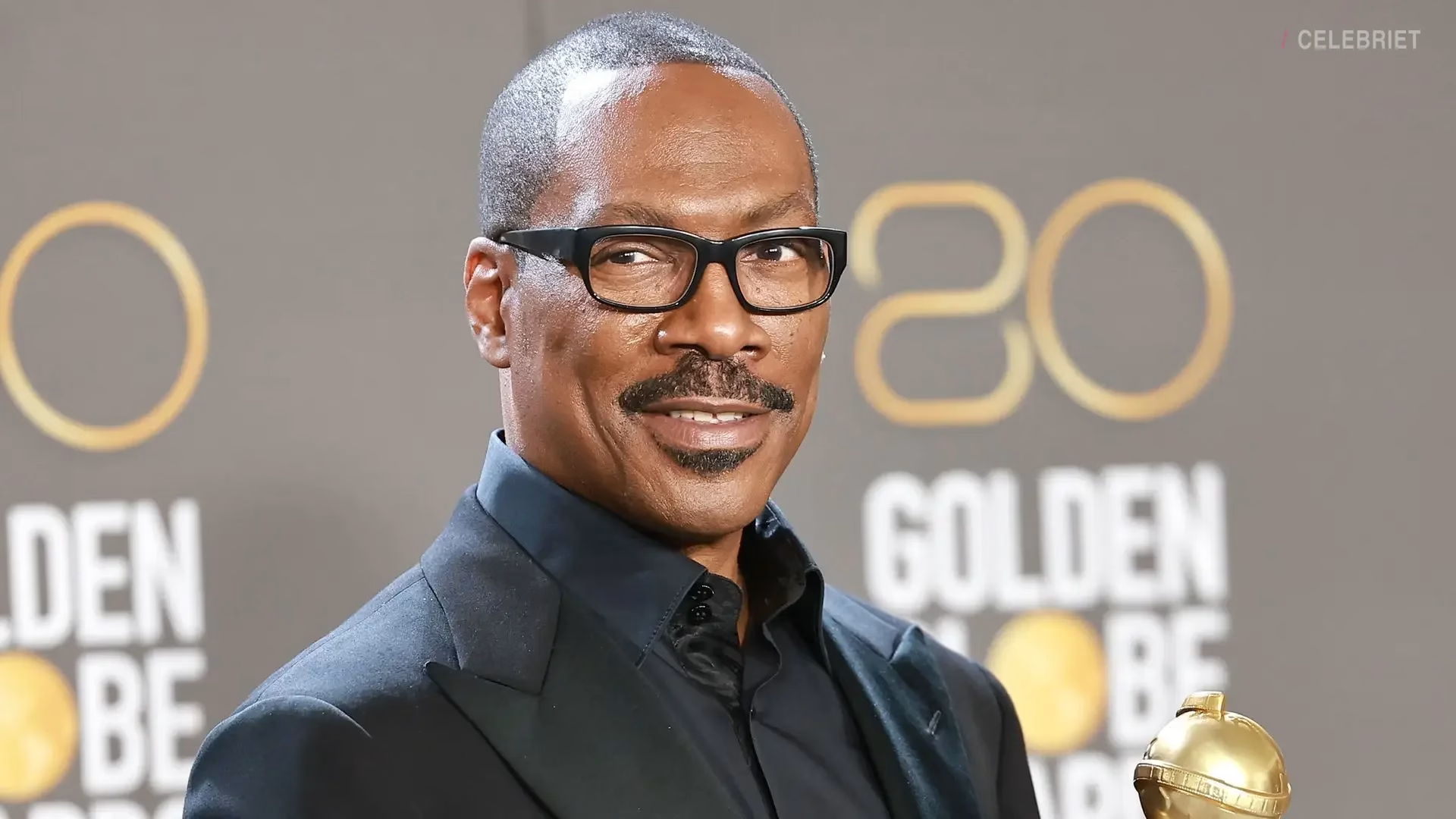
In interviews covered by outlets like The New York Times, Murphy acknowledged that the kinds of scripts he once thrived in were no longer being produced at the same scale. That shift made it harder for him to find projects that matched his strengths, further reinforcing his decision to wait rather than take roles that didn’t fit his comedic style.
Another important aspect of Murphy’s return is how intentional it has been compared to his earlier career pace. Instead of chasing box office dominance, he now appears focused on longevity and creative satisfaction. His post-hiatus choices reflect a more strategic approach, where each role contributes to how his career will be remembered.
This shift has also influenced how audiences and critics perceive him today. Rather than being judged by inconsistent late-career films, Murphy is increasingly viewed through the lens of his comeback and legacy, which has strengthened his standing as one of Hollywood’s most influential comedic performers.