

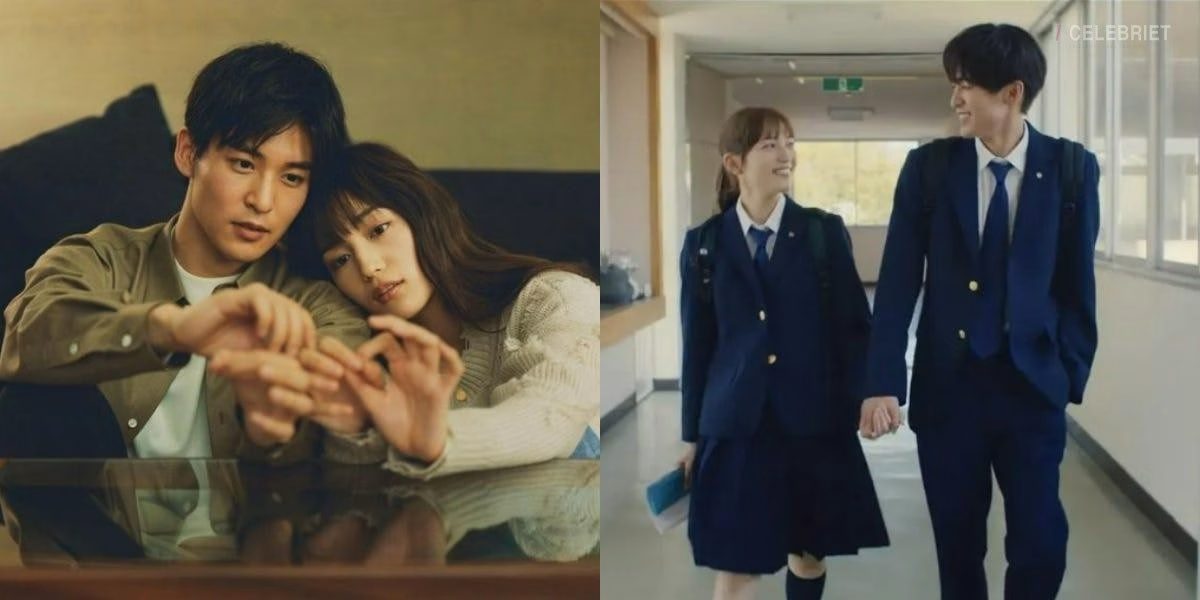
Japanese romance dramas have carved out a unique space in global entertainment by focusing on emotional authenticity rather than spectacle. While many international shows rely on dramatic twists or fast-paced storytelling, J-dramas often take a slower, more introspective approach. They explore how love develops over time, how people change, and how relationships are shaped by circumstances, memories, and personal growth. This grounded storytelling style makes the romance feel more believable and, in many cases, more impactful.
Another reason these dramas continue to gain popularity is their versatility. Some focus on youthful first love, while others examine adult relationships, career struggles, and second chances. Streaming platforms have made it easier than ever to discover these shows, bringing modern Japanese romance to a wider audience. Whether you enjoy quiet emotional moments or layered character arcs, these five series represent the best Japanese romance dramas you should watch right now.
1. First Love
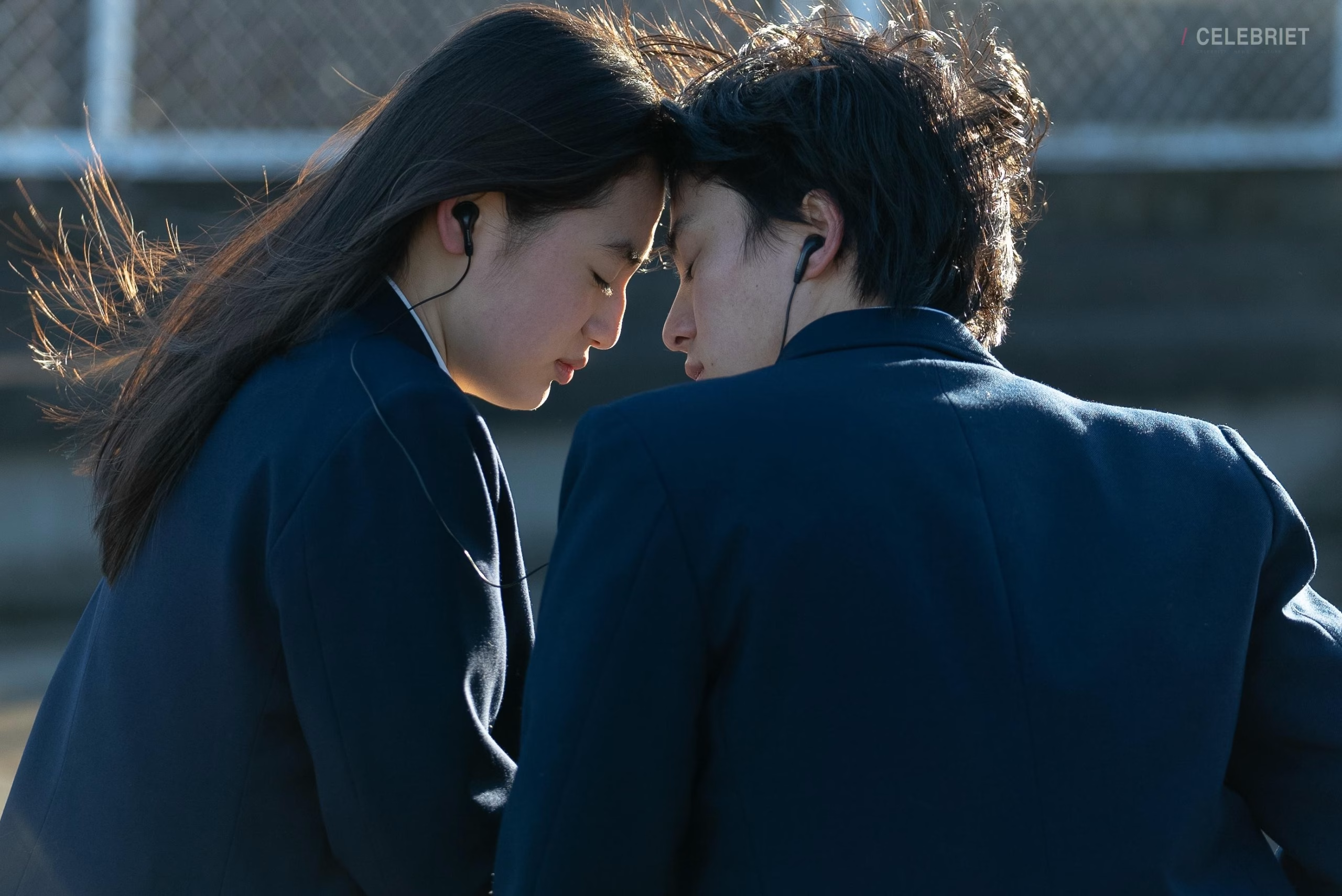
First Love stands as one of the most emotionally rich Japanese romance dramas in recent years, offering a story that spans decades and explores how love evolves over time. The series follows Yae Noguchi and Harumichi Namiki, whose relationship begins in their youth during the late 1990s. Their connection feels immediate and sincere, capturing the innocence and intensity of first love in a way that resonates deeply with viewers.
As the story moves forward, their lives take very different paths due to personal ambitions, unexpected circumstances, and difficult choices. The narrative frequently shifts between timelines, allowing the audience to see how their younger selves compare to who they have become as adults. This structure adds emotional depth, as each reunion carries the weight of years of separation and unspoken feelings.
One of the most compelling aspects of First Love is how it portrays missed opportunities and the idea of fate. Rather than presenting love as something that always works out, the drama shows how timing and life events can shape relationships in unpredictable ways. The characters are not perfect, and their decisions often lead to consequences that feel painfully real.
The performances play a major role in bringing this story to life. Hikari Mitsushima and Takeru Satoh deliver nuanced portrayals that make every glance and conversation feel meaningful. Their chemistry evolves naturally across timelines, making the audience believe in both their youthful romance and their more complicated adult relationship.
Visually, the drama is equally striking. Snowy landscapes, warm lighting, and carefully composed scenes create a sense of nostalgia that mirrors the story’s themes. Combined with a memorable soundtrack inspired by Hikaru Utada’s music, the series creates an immersive emotional experience.
At its core, First Love is not just about romance but about memory, regret, and the lingering impact of past relationships. It explores how people carry their first love with them, even as they move forward in life. This layered storytelling makes it one of the most powerful and unforgettable Japanese romance dramas available today.
2. Eye Love You

Eye Love You offers a refreshing take on romance by blending fantasy elements with a heartfelt love story. The series centers on Yuri Motomiya, a woman who has the ability to hear people’s inner thoughts whenever she looks into their eyes. While this might sound like a gift, it quickly becomes a burden, as it exposes her to others’ true feelings, including insecurities, judgments, and hidden intentions.
Because of this ability, Yuri grows increasingly distant from those around her. She struggles to form genuine connections, knowing that what people say and what they think are often very different. This internal conflict shapes her personality, making her cautious and emotionally guarded.
Everything begins to change when she meets Tae Oh, a Korean student working in Japan. For the first time, Yuri cannot hear someone’s thoughts, which creates both confusion and curiosity. This simple twist becomes the foundation of their relationship, as she is forced to rely on trust rather than her supernatural ability.
The drama carefully develops their romance, allowing it to grow through shared experiences and mutual understanding. Their cultural differences add another layer to the story, highlighting how communication goes beyond language. Despite these differences, their connection feels natural and sincere.
The series also balances emotional moments with lighthearted humor. Yuri’s reactions to people’s thoughts often create comedic situations, while her evolving relationship with Tae Oh brings warmth and optimism to the story. This combination makes the drama engaging without becoming overly heavy.
Beyond romance, Eye Love You explores themes of vulnerability and self-acceptance. Yuri’s journey is not just about finding love but about learning to open herself up to others despite her fears. The drama suggests that genuine connection requires honesty, even when it feels uncomfortable.
The chemistry between the leads enhances the storytelling, making their interactions feel authentic. Their relationship progresses at a steady pace, allowing viewers to fully invest in their emotional journey. This thoughtful approach to romance sets Eye Love You apart from more conventional love stories.
3. Silent
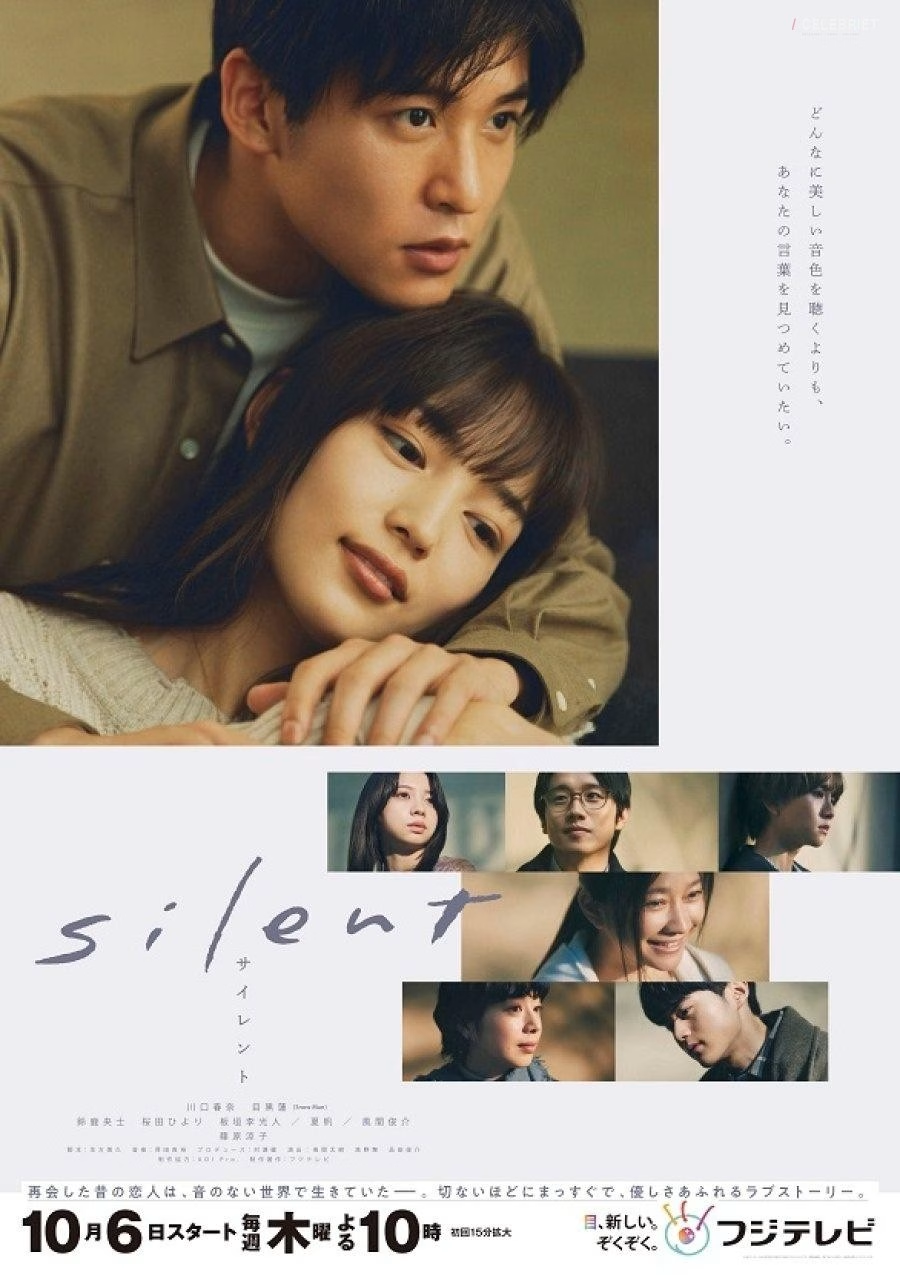
Silent is widely regarded as one of the most emotionally powerful Japanese dramas of its time, offering a deeply moving story about love, loss, and communication. The series follows Tsumugi Aoba, who unexpectedly reunites with her former boyfriend Sou Sakura years after their breakup. What begins as a nostalgic encounter quickly becomes more complex when she learns that Sou has lost his hearing.
This revelation changes everything about their relationship. Sou has distanced himself from his past, believing that his condition has made it difficult for others to understand him. His decision to withdraw reflects both his vulnerability and his desire to avoid burdening those he cares about.
Tsumugi, on the other hand, is determined to reconnect with him despite the challenges. Their interactions are filled with unspoken emotions, as they navigate new ways of communicating while confronting the feelings they never fully resolved. The drama captures these moments with remarkable subtlety, allowing silence itself to become a powerful storytelling tool.
One of the defining strengths of Silent is its realistic portrayal of hearing loss. The series incorporates sign language naturally into the narrative, highlighting both its beauty and its importance. It also addresses the emotional impact of losing a sense, showing how it affects identity, relationships, and self-confidence.
The pacing of the drama is deliberately slow, giving each scene room to breathe. This allows viewers to fully absorb the characters’ emotions and understand their struggles. Rather than relying on dramatic plot twists, the story builds tension through quiet moments and meaningful interactions.
The performances are exceptional, with both leads delivering deeply emotional portrayals. Their chemistry feels genuine, making their relationship both heartbreaking and hopeful. Supporting characters also play important roles, adding depth to the narrative and highlighting different perspectives on love and communication.
Silent ultimately tells a story about acceptance and resilience. It shows that love can adapt and endure, even in the face of significant challenges. This emotional depth makes it a must-watch for anyone seeking a meaningful and thought-provoking romance drama.
4. From Me to You: Kimi ni Todoke
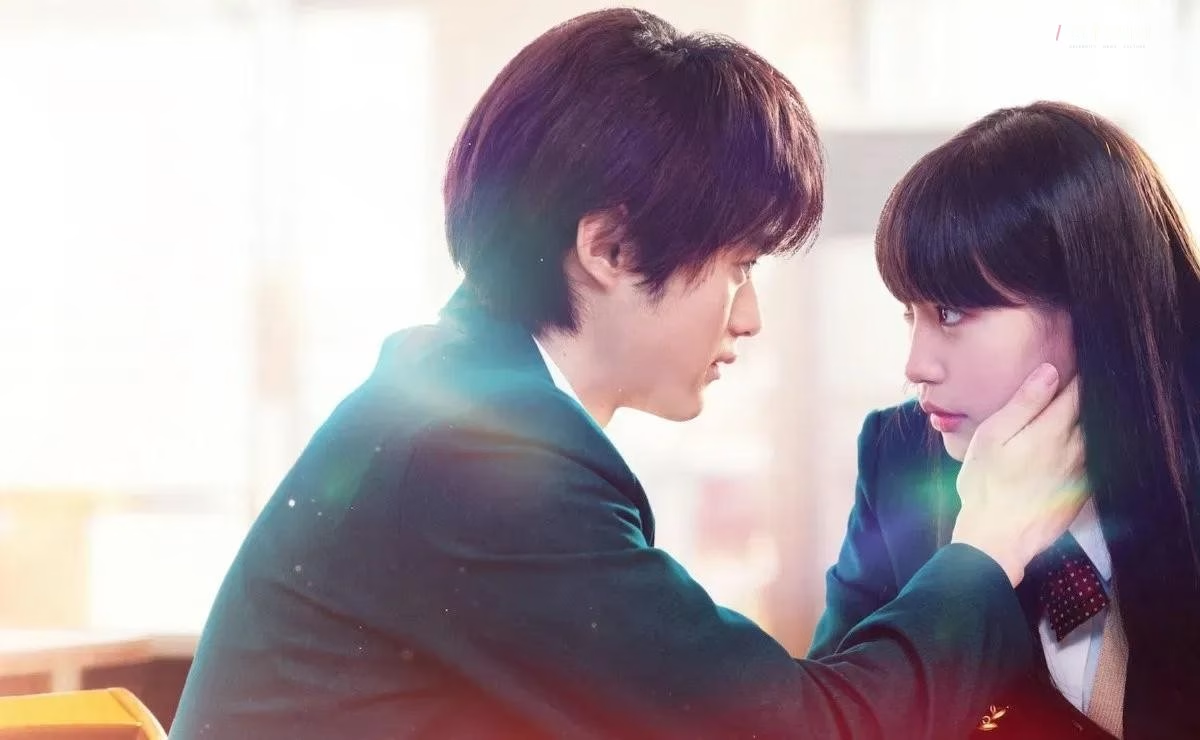
From Me to You: Kimi ni Todoke is a heartfelt coming-of-age romance that captures the beauty of first love and personal growth. The story follows Sawako Kuronuma, a shy and misunderstood high school student who struggles to connect with her peers. Her resemblance to a horror character leads to rumors and isolation, making it difficult for her to form friendships.
Everything begins to change when she meets Shota Kazehaya, a kind and outgoing classmate who treats her with genuine respect. His willingness to see her for who she truly is becomes a turning point in her life. Through his support, Sawako slowly gains confidence and begins to open up to others.
The romance between Sawako and Kazehaya develops gradually, emphasizing emotional growth rather than dramatic tension. Their interactions are filled with small, meaningful moments that highlight their evolving feelings. This slow-burn approach allows viewers to fully appreciate their relationship.
The drama also places significant focus on friendship. Sawako’s interactions with her classmates play a crucial role in her development, showing how supportive relationships can help individuals overcome insecurities. These friendships add warmth and depth to the story.
Another strength of the series is its optimistic tone. While the characters face challenges, the atmosphere remains uplifting. The story encourages viewers to believe in kindness, understanding, and the power of genuine connections.
The live-action adaptation successfully brings the beloved manga to life, capturing its charm and emotional sincerity. The performances feel natural, making the characters relatable and endearing. This authenticity helps the story resonate with audiences of all ages.
Kimi ni Todoke is more than just a romance; it is a story about self-discovery and the courage to connect with others. Its gentle storytelling and heartfelt moments make it a comforting and memorable viewing experience.
5. Why I Dress Up for Love

Why I Dress Up for Love presents a modern romance that reflects the realities of contemporary life, particularly the influence of social media and career ambitions. The story follows Kurumi Mashiba, a woman who has built her identity around maintaining a perfect online presence. Her life revolves around work, branding, and projecting an image of success.
After an unexpected housing situation leaves her without a place to stay, she ends up sharing a home with a group of individuals who have very different lifestyles. Among them is Shun Fujino, a minimalist chef who values simplicity and authenticity over appearances. Their contrasting perspectives create both tension and intrigue.
As they spend more time together, Kurumi begins to question her priorities. Her relationship with Shun develops gradually, shaped by everyday interactions rather than dramatic events. This realistic approach makes their connection feel genuine and relatable.
The drama explores how modern pressures can affect personal relationships. Kurumi’s struggle to balance her online persona with her true self reflects a common issue in today’s digital age. The story highlights the importance of authenticity and self-awareness in building meaningful connections.
Supporting characters also contribute to the narrative, each representing different approaches to life and relationships. Their interactions create a dynamic environment that enhances the storytelling. These perspectives add depth and make the series more than just a simple romance.
The visual style of the drama complements its themes, with carefully designed settings and fashion choices reflecting the characters’ personalities. This attention to detail adds another layer to the viewing experience.
Why I Dress Up for Love ultimately delivers a thoughtful exploration of love in the modern world. It shows that meaningful relationships require honesty, compromise, and a willingness to embrace change. This makes it a standout choice for viewers looking for a contemporary romance with depth.
Why Japanese Romance Dramas Continue to Stand Out
Japanese romance dramas continue to resonate with audiences because of their focus on emotional authenticity and character-driven storytelling. Rather than relying on exaggerated conflicts, they emphasize the small moments that define relationships. This approach creates a sense of realism that many viewers find refreshing.
Another key factor is the diversity of stories within the genre. From high school romances to adult relationships and second chances, these dramas explore love at different stages of life. This variety ensures that there is something for everyone, regardless of personal preferences.
The growing global popularity of Japanese dramas has also contributed to their success. Streaming platforms have made these shows more accessible, allowing international audiences to discover their unique storytelling style. As a result, Japanese romance dramas are gaining recognition alongside other major entertainment industries.
These five Japanese romance dramas highlight the depth and versatility of the genre, each offering a unique perspective on love and relationships. From the nostalgic storytelling of First Love to the modern themes of Why I Dress Up for Love, these series showcase the emotional power of well-crafted romance.
What makes these dramas truly special is their ability to connect with viewers on a personal level. By focusing on realistic emotions and character growth, they create stories that feel both relatable and memorable. If you are searching for romance dramas that go beyond surface-level storytelling, these five shows are an excellent place to start.