


David Brooks is one of the most recognizable political commentators in the United States. Known for his thoughtful analysis of politics, culture, religion, and society, Brooks has spent decades shaping public conversations through newspaper columns, television appearances, and bestselling books. While many readers know him as a longtime columnist for The New York Times, his career extends far beyond journalism.
Over the years, Brooks has built a reputation as a commentator who often explores the moral, cultural, and psychological forces that influence public life. His work frequently blends political analysis with discussions about character, community, faith, and human behavior. This distinctive approach has helped him stand out in an increasingly polarized media terrain.
David Brooks is a prominent American political commentator, columnist, and author known for his work with The New York Times and PBS NewsHour. He has built a reputation for analyzing not just politics, but the cultural and moral forces that shape society. His writing often explores themes like character, community, and human behavior, which sets him apart from traditional political analysts. Over the years, Brooks has also authored several bestselling books that examine how individuals and societies evolve.
Who Is David Brooks?
David Brooks is a Canadian-born American journalist, political commentator, author, and public intellectual. He is best known for writing opinion columns for The New York Times and appearing as a political analyst on PBS NewsHour. Throughout his career, Brooks has written extensively about politics, culture, religion, social behavior, and moral philosophy.
Unlike many political commentators who focus primarily on elections and policy debates, Brooks often examines broader social trends. His writing explores how individuals build meaningful lives, develop character, and interact within communities. These themes have become central to both his journalism and his books.
Brooks is frequently described as a moderate or center-right commentator. However, he has often resisted strict political labels, preferring to focus on cultural and moral questions that transcend party lines. This approach has earned him readers from across the political spectrum.

David Brooks’ Early Life and Education
David Brooks was born on August 11, 1961, in Toronto, Canada. His family later moved to the United States, where he spent much of his childhood. Growing up in an intellectually engaged household helped shape his interest in ideas, politics, and public affairs from an early age.
During his youth, Brooks developed a passion for writing and analysis. He was particularly interested in understanding how societies function and how political systems influence everyday life. These interests eventually guided him toward journalism and commentary.
His educational experiences exposed him to a wide range of political and philosophical perspectives. Those influences would later become visible in his writing style, which often combines historical observations, social science research, and personal reflection.
How David Brooks Started His Journalism Career
Before becoming a nationally recognized columnist, Brooks worked in several journalism roles that helped establish his reputation. Early in his career, he contributed to conservative publications and gained experience covering politics, public policy, and culture.
One of his notable early positions was at The Wall Street Journal, where he worked as a reporter and editor. His time there allowed him to sharpen his analytical skills and develop a writing style that balanced reporting with broader social commentary.
Brooks later became associated with The Weekly Standard during the magazine’s influential years in American conservative media. His work there helped raise his profile among policymakers, journalists, and political observers.
By the late 1990s and early 2000s, Brooks had become a familiar figure in political journalism, regularly contributing opinions and analysis on major national issues.
David Brooks and The New York Times

One of the biggest turning points in Brooks’ career came when he joined The New York Times as an opinion columnist. His columns quickly attracted attention for their blend of political insight, cultural analysis, and philosophical reflection.
At The New York Times, Brooks developed a distinctive voice that differed from traditional partisan commentary. Rather than focusing exclusively on political conflict, he often explored questions about social trust, personal responsibility, education, religion, and community life.
His columns frequently address the underlying cultural forces that shape political outcomes. Instead of viewing politics solely through the lens of policy, Brooks often argues that social attitudes, moral values, and community structures play equally important roles.
This broader perspective helped him become one of the newspaper’s most widely read opinion writers and a regular participant in national conversations about American society.
David Brooks on PBS NewsHour
Beyond print journalism, Brooks became a familiar television personality through his work on PBS NewsHour. As a political analyst and commentator, he regularly discusses major political developments, elections, and social issues.
His appearances often feature thoughtful and measured discussions rather than highly confrontational debate. This style has contributed to his reputation as a commentator who values nuance and long-form analysis.
Through PBS NewsHour, Brooks has reached audiences that extend far beyond newspaper readers. His television work has helped establish him as one of America’s most recognizable political commentators.
For many viewers, PBS became their first introduction to Brooks’ ideas about politics, culture, and civic life.
David Brooks’ Most Popular Books
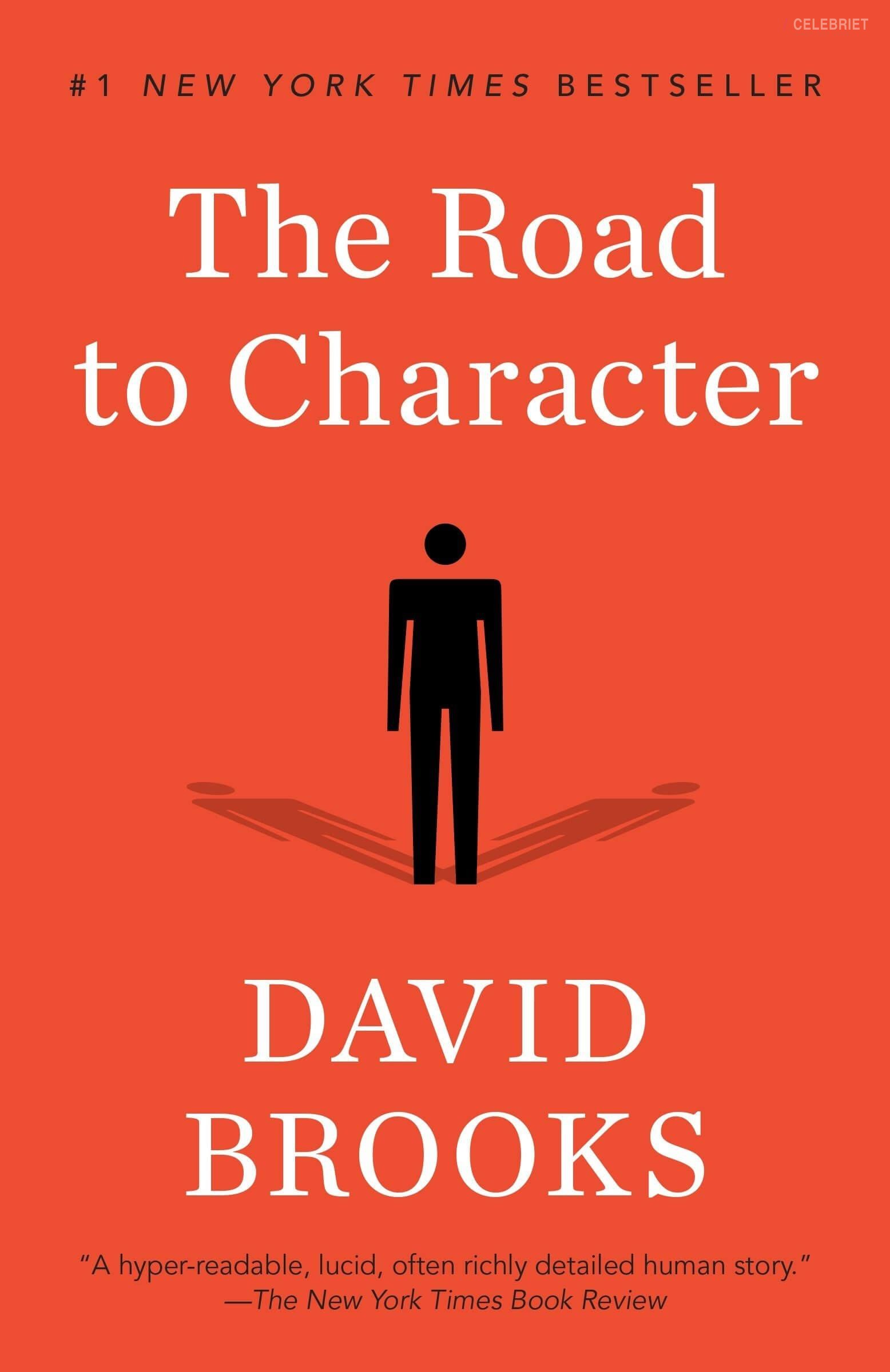
In addition to journalism, Brooks has achieved considerable success as an author. Several of his books have become influential works on culture, psychology, character, and social behavior.
His breakthrough book, Bobos in Paradise, examined the rise of a new professional class that combined cultural sophistication with economic success. The book introduced many readers to Brooks’ ability to identify and explain emerging social trends.
Another notable work, On Paradise Drive, explored American ambition, aspiration, and optimism. Brooks argued that the nation’s future-oriented mindset influences everything from consumer behavior to politics.
In The Social Animal, Brooks drew upon psychology, neuroscience, sociology, and behavioral science to explore how people develop relationships, make decisions, and build successful lives. The book became one of his most widely discussed works.
His book The Road to Character focused on moral development and personal growth. Brooks contrasted external achievements with deeper virtues such as humility, integrity, and selflessness. The book resonated with readers interested in questions of purpose and meaning.
These books helped expand Brooks’ influence beyond journalism and established him as a prominent public thinker.
What Are David Brooks’ Political Views?
David Brooks is often described as a conservative commentator, though his views do not always align neatly with modern partisan categories. Throughout his career, he has advocated for a form of conservatism that emphasizes community, institutions, social responsibility, and civic engagement.
He has frequently criticized excessive political polarization and has argued that healthy societies depend on strong social bonds. His writing often focuses on rebuilding trust between citizens and strengthening local communities.
Brooks has also shown a willingness to criticize leaders and movements within the political right when he believes they undermine democratic norms or civic values. This independence has sometimes drawn criticism from both conservatives and liberals.

As a result, he occupies a somewhat unique position within American political commentary, appealing to readers who value thoughtful analysis over ideological certainty.
David Brooks’ Focus on Character, Faith, and Community
One of the defining themes of Brooks’ work is his emphasis on character. While many commentators focus on economics or public policy, Brooks often asks deeper questions about what makes a good life and a healthy society.
He has written extensively about humility, moral development, personal responsibility, and service to others. According to Brooks, strong communities are built not only through institutions and laws but also through relationships and shared values.
Religion and spirituality have also played important roles in his public discussions. Over time, Brooks has spoken openly about his personal faith journey and how it influenced his thinking about morality, purpose, and human flourishing.
These themes have become increasingly prominent in his later writing and public speaking engagements.
Why David Brooks Remains Influential
David Brooks remains influential because he occupies a space that has become increasingly rare in modern media. Rather than focusing solely on political conflict, he often explores the cultural and moral foundations that shape society.
His ability to combine journalism, social science, philosophy, and personal reflection has helped him reach diverse audiences. Readers interested in politics, psychology, religion, education, and leadership often find value in his work.
Brooks is also frequently invited to speak at universities, conferences, and public forums. His ideas about character, citizenship, and community continue to resonate with people searching for thoughtful perspectives on contemporary challenges.
While not everyone agrees with his conclusions, few would dispute his role as a significant voice in American public life.

David Brooks’ Legacy in Journalism and Public Discourse
David Brooks has spent decades contributing to conversations about politics, culture, and human behavior. Through newspaper columns, television appearances, books, and public speaking, he has encouraged audiences to think beyond daily headlines and consider deeper questions about society.
His career reflects an unusual combination of political commentary and moral inquiry. Instead of treating politics as a standalone subject, Brooks often connects it to broader discussions about identity, relationships, purpose, and community.
This interdisciplinary approach has helped him remain relevant through multiple political eras. Whether discussing elections, cultural change, or personal development, Brooks consistently returns to questions about how individuals and societies can flourish.
For readers wondering who David Brooks is, the simplest answer is that he is far more than a political columnist. He is a journalist, author, public intellectual, and cultural observer whose work continues to shape debates about the future of American society.