

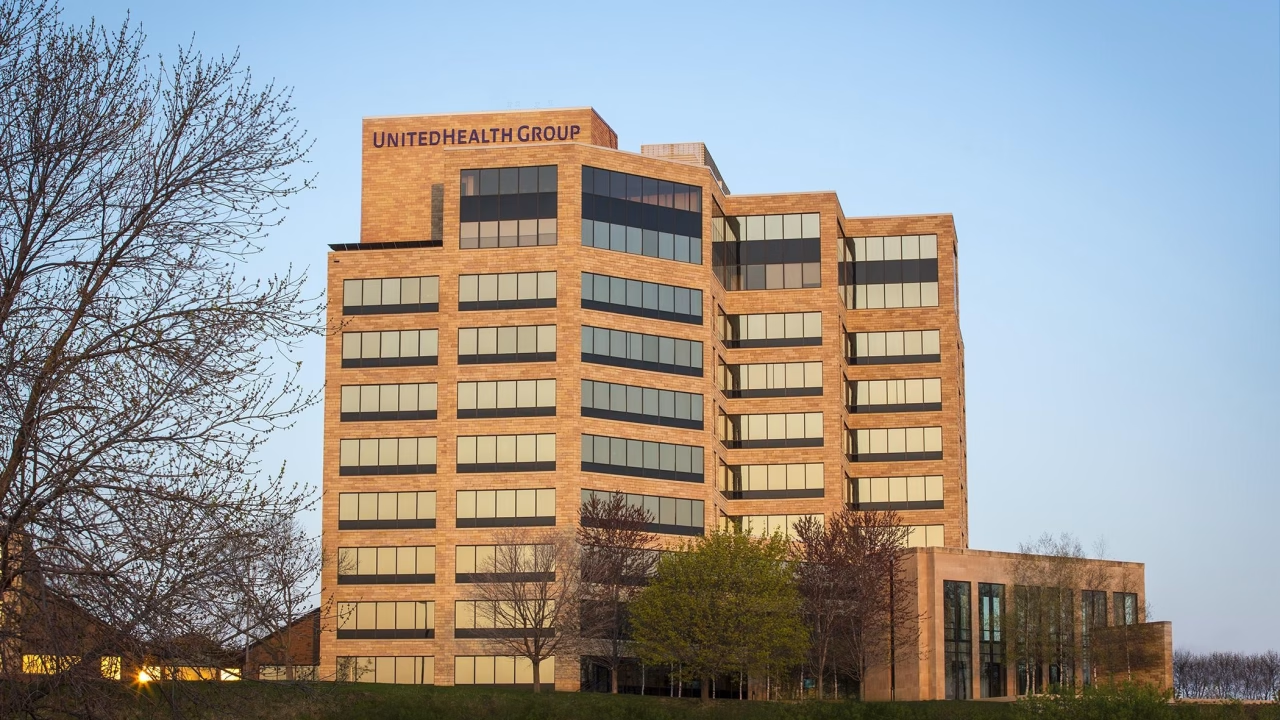
The cyberattack on UnitedHealth-owned Change Healthcare has become one of the most significant data breaches in American history. What began as a ransomware attack in February 2024 quickly evolved into a nationwide healthcare crisis that disrupted claims processing, delayed prescriptions, affected hospitals’ finances, and exposed the sensitive information of millions of Americans. As investigations continued, the scale of the breach proved far larger than initially estimated.
The incident highlighted a growing concern within the healthcare sector: the increasing dependence on a handful of technology providers that serve as critical infrastructure for the entire industry. While healthcare organizations have long focused on patient care and regulatory compliance, the UnitedHealth breach demonstrated that cybersecurity failures can have direct consequences for patients, providers, insurers, and public trust.
The attack has sparked debates about healthcare cybersecurity standards, third-party risk management, data privacy protections, and the resilience of America’s healthcare system. Understanding the implications of this breach is essential because its impact extends far beyond UnitedHealth and Change Healthcare.
Understanding the UnitedHealth Data Breach
The breach originated from a ransomware attack targeting Change Healthcare, a major healthcare technology company owned by UnitedHealth Group. Change Healthcare plays a crucial role in processing medical claims, handling payment transactions, and facilitating data exchanges between insurers, pharmacies, hospitals, and healthcare providers across the United States. Because of its central position in the healthcare ecosystem, any disruption to its systems has far-reaching consequences.
According to congressional testimony and subsequent investigations, cybercriminals gained access using compromised credentials associated with a remote access portal that lacked multi-factor authentication. After entering the network, attackers moved through systems, exfiltrated sensitive data, and eventually deployed ransomware. The breach exposed a critical cybersecurity weakness that experts argue should have been prevented through basic security controls.
Initially, the number of affected individuals was estimated at around 100 million. However, later updates dramatically increased the figure. By 2025, UnitedHealth and federal regulators acknowledged that approximately 190 million people may have been impacted, and later estimates rose to roughly 192.7 million individuals, making it the largest healthcare data breach ever recorded in the United States.

The stolen information reportedly included health insurance records, medical information, billing details, payment information, and personal identifiers such as Social Security numbers. The breadth of the compromised data significantly increased concerns about identity theft, medical fraud, and long-term privacy risks for affected individuals.
Why the Attack Was Different From Typical Healthcare Breaches
Healthcare organizations experience cyberattacks regularly, but the Change Healthcare incident stood apart because of the company’s role as a central clearinghouse for healthcare transactions. Rather than affecting a single hospital system or regional provider, the attack disrupted infrastructure relied upon by thousands of organizations nationwide.
The attack demonstrated the risks associated with industry concentration. Many healthcare providers depended on Change Healthcare for claims processing and payment services, meaning that a single cyber incident could create cascading failures across the entire healthcare ecosystem. Hospitals, physician practices, pharmacies, and insurers suddenly found themselves unable to perform essential administrative functions.
Experts have increasingly warned that healthcare’s reliance on interconnected digital networks creates systemic vulnerabilities. When a major technology vendor suffers a cyberattack, the consequences can extend well beyond the affected company and directly impact patient care. The Change Healthcare breach became a real-world example of this risk.
The event also illustrated how cyberattacks have evolved. Modern ransomware groups are not merely encrypting systems but also stealing large volumes of sensitive data before demanding payment. This dual-extortion approach increases pressure on victims while creating additional risks for affected individuals whose information may later appear on criminal marketplaces.
Impact on Patients Across America
For many Americans, the immediate concern following the breach was whether their personal information had been exposed. Healthcare data is particularly valuable to cybercriminals because it often contains a combination of medical, financial, and personal information. Unlike a credit card number, medical history cannot simply be replaced after a breach.
Patients experienced practical disruptions as well. During the early stages of the attack, pharmacies reported difficulties processing insurance claims, creating delays for individuals attempting to obtain medications. In some cases, patients were forced to pay out of pocket or wait for systems to come back online.
The breach also raised concerns about long-term identity theft risks. Criminals can use stolen healthcare information to submit fraudulent insurance claims, obtain medical services under another person’s identity, or combine healthcare records with other stolen data to commit financial fraud. These risks can persist for years after a breach occurs.

Perhaps most importantly, the incident damaged public confidence in the healthcare industry’s ability to safeguard sensitive information. Patients entrust healthcare organizations with some of their most private data, and large-scale breaches can undermine that trust significantly. Maintaining confidence is essential for healthcare providers that increasingly rely on digital services and electronic health records.
Financial Consequences for Hospitals and Providers
The breach did not only affect patients. Hospitals, physician groups, and healthcare providers across the country faced severe financial disruptions when claims processing systems became unavailable. Many providers depend on a steady flow of insurance reimbursements to cover payroll, operational costs, and patient services.
According to findings cited by the American Hospital Association, nearly all U.S. hospitals experienced some form of financial impact following the attack. A substantial percentage reported cash-flow problems, while many described significant financial damage resulting from delayed payments.
Smaller healthcare providers faced particular challenges because they often lack large cash reserves. Some organizations reportedly relied on loans or emergency funding measures to continue operations while claims systems remained disrupted. The incident revealed how dependent healthcare providers have become on continuous access to digital payment infrastructure.
UnitedHealth responded by providing financial assistance and accelerated funding programs for affected providers. However, the episode highlighted broader concerns regarding business continuity planning and the healthcare sector’s preparedness for large-scale cyber disruptions.
The Massive Cost to UnitedHealth
The cyberattack also carried enormous financial consequences for UnitedHealth itself. The company disclosed hundreds of millions of dollars in direct costs associated with responding to the attack, restoring systems, investigating the breach, and supporting affected stakeholders.
Early estimates suggested the attack could ultimately cost UnitedHealth between $1.35 billion and $1.6 billion. Those figures included response costs, operational disruptions, and lost business opportunities. The incident became one of the most expensive cyber events in healthcare history.
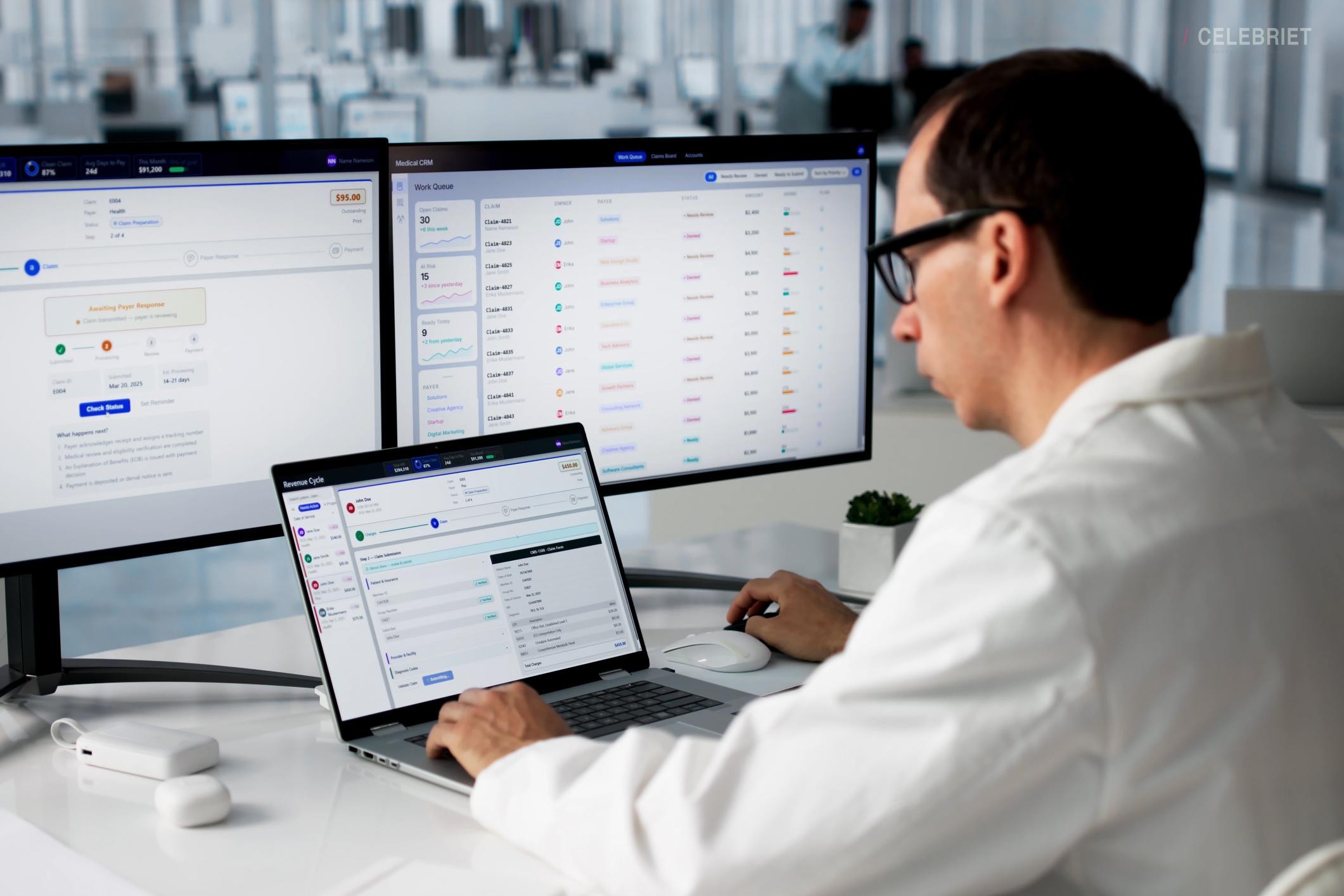
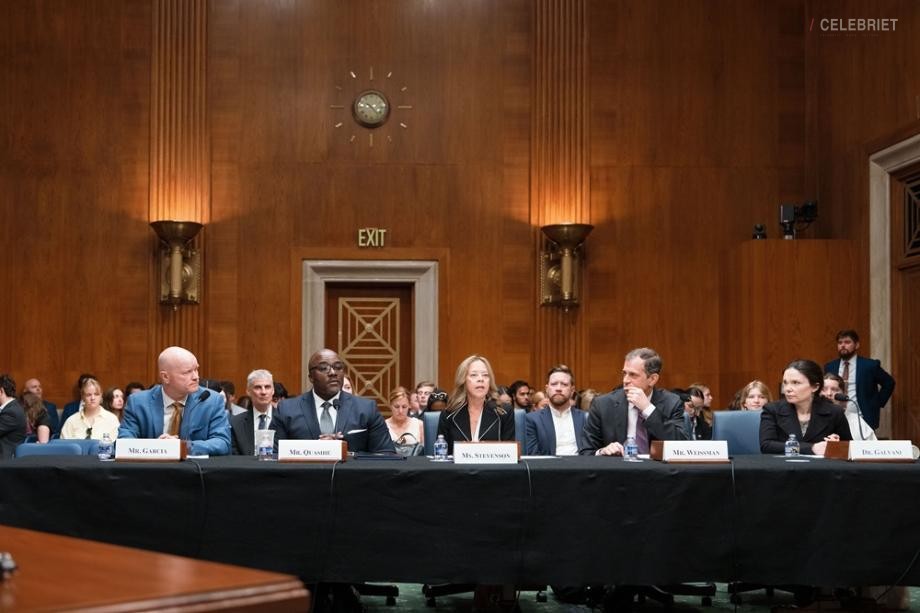
Beyond immediate financial losses, UnitedHealth also faced regulatory scrutiny, congressional hearings, litigation, and reputational damage. Large-scale data breaches often create years of legal and compliance challenges, particularly when sensitive healthcare information is involved.
The company’s experience serves as a reminder that cybersecurity investments are not merely technology expenses. They are increasingly viewed as business-critical investments that protect operational continuity, customer trust, and shareholder value.
What the Breach Revealed About Healthcare Cybersecurity
One of the most alarming aspects of the attack was the reported absence of multi-factor authentication on the compromised access point. Cybersecurity experts widely regard MFA as a foundational security measure that significantly reduces the risk of unauthorized access.
The breach demonstrated that regulatory compliance alone may not provide adequate protection against sophisticated cyber threats. Even organizations operating within heavily regulated industries can remain vulnerable if basic cybersecurity practices are inconsistently applied.
Healthcare organizations also face unique cybersecurity challenges. Many operate complex networks containing legacy systems, third-party integrations, and highly sensitive data. These environments create numerous attack surfaces that can be difficult to secure consistently.
The incident has accelerated discussions around stronger cybersecurity requirements, enhanced vendor oversight, zero-trust security models, and greater investment in threat detection capabilities. Policymakers and industry leaders increasingly view cybersecurity as a patient safety issue rather than merely an IT concern.
The Future of Healthcare Data Protection
The Change Healthcare breach is likely to influence healthcare cybersecurity policy for years to come. Regulators, lawmakers, and healthcare organizations are examining ways to strengthen protections against future attacks while improving resilience across critical healthcare infrastructure.
Greater scrutiny of third-party vendors is expected to become a major focus. Healthcare organizations may be required to conduct more rigorous assessments of cybersecurity practices among technology partners that process sensitive patient information. The attack demonstrated that vendor risk can quickly become industry-wide risk.
Industry experts are also calling for broader adoption of modern security measures, including mandatory multi-factor authentication, continuous monitoring, network segmentation, and stronger incident response planning. Organizations that previously viewed cybersecurity as a compliance obligation may now approach it as a strategic necessity.
At the same time, healthcare leaders must balance security improvements with operational efficiency and patient care priorities. Achieving that balance will be one of the defining challenges facing American healthcare in the coming years.
The UnitedHealth Change Healthcare cyberattack was far more than a corporate data breach. It exposed vulnerabilities in the digital infrastructure supporting American healthcare and demonstrated how a single cybersecurity failure can ripple across an entire industry. With nearly 193 million individuals potentially affected, the incident stands as the largest healthcare data breach in U.S. history.
The attack disrupted patient services, strained healthcare providers, generated billions of dollars in costs, and intensified concerns about data privacy and cybersecurity preparedness. Most importantly, it highlighted the growing importance of protecting critical healthcare systems in an increasingly connected world. As healthcare organizations continue their digital transformation efforts, the lessons learned from the UnitedHealth breach will likely shape cybersecurity strategies, regulations, and patient protections for years to come.