


The growing wave of cyberattacks linked to China has pushed the United States into one of its most aggressive cybersecurity responses in recent years. U.S. officials have repeatedly warned about sophisticated hacking campaigns targeting government networks, private companies, and critical infrastructure sectors. These operations, often attributed to state-backed groups, raised concerns about espionage, data theft, and potential disruption of essential services.
In response, agencies across the U.S. government began implementing strategic countermeasures designed to detect, prevent, and neutralize these cyber threats. The situation quickly evolved into a high-stakes digital conflict, where security, diplomacy, and technology intersect. While officials framed their actions as defensive, the scale and coordination of the response signaled a major shift in how the U.S. handles cyber warfare. Let’s break down what triggered these measures, what actions were taken, and what it means for global cybersecurity.
What Triggered the U.S. Response
The U.S. government’s actions were largely driven by intelligence reports linking major cyber intrusions to Chinese state-backed groups. Organizations such as Federal Bureau of Investigation and Cybersecurity and Infrastructure Security Agency identified patterns of activity targeting sensitive systems. These included attacks on telecommunications networks, energy infrastructure, and government databases.
One of the most concerning aspects was the level of sophistication involved. These hacking campaigns were not random or opportunistic but highly coordinated operations designed to infiltrate systems and remain undetected. This raised fears that attackers could gain long-term access to critical infrastructure.
Officials also warned that these activities could escalate beyond data theft. The potential for disruption of essential services, including power grids and communication networks, made the threat significantly more serious. This urgency prompted a stronger and more coordinated response from U.S. authorities.
To counter these threats, the U.S. implemented a range of strategic measures aimed at strengthening cybersecurity defenses. Federal agencies increased collaboration with private sector companies, sharing intelligence and threat data in real time. This approach allowed for faster detection and response to potential attacks.
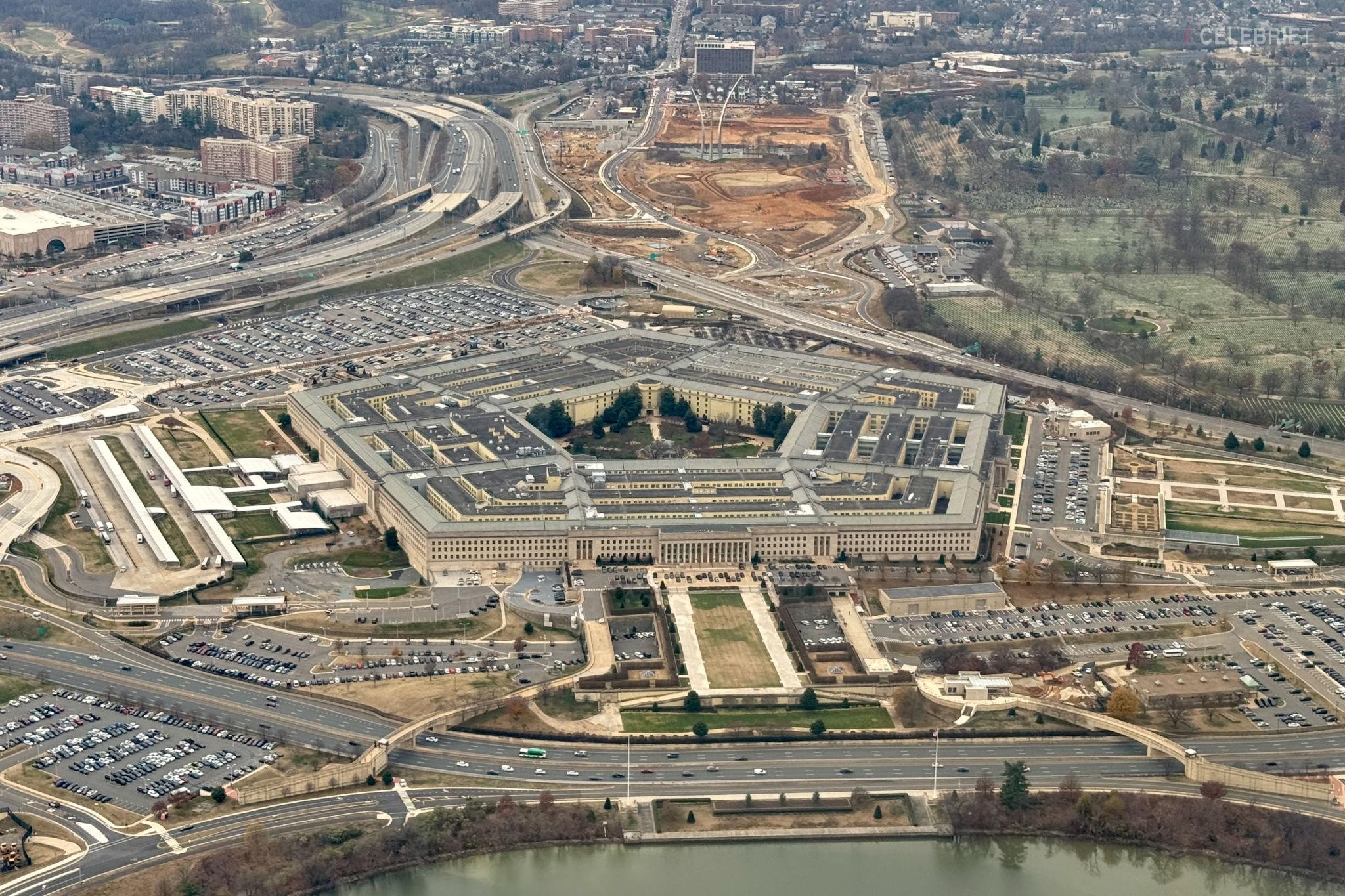
The government also launched targeted operations to disrupt hacking networks. In some cases, authorities reportedly gained access to malicious infrastructure and removed tools used by attackers. These proactive actions marked a shift from passive defense to active cyber countermeasures.
Additionally, new policies and funding initiatives were introduced to improve national cybersecurity resilience. Investments in advanced threat detection technologies and workforce development became a priority. These efforts aimed to ensure that both public and private sectors could better withstand future attacks.
The Role of International Tensions
The cybersecurity conflict cannot be separated from broader geopolitical tensions between the United States and China. Cyber operations have become a key battleground in modern international relations, where nations compete for strategic advantage without direct military confrontation.
U.S. officials have accused China of using cyber capabilities for espionage and influence. Meanwhile, Chinese authorities have denied these allegations and criticized the U.S. for what they describe as politicizing cybersecurity issues. This back-and-forth has added complexity to an already sensitive situation.
The lack of clear international rules governing cyber warfare makes resolution difficult. Unlike traditional conflicts, cyber operations often exist in a gray area where attribution and accountability are challenging. This ambiguity has allowed tensions to persist without a definitive conclusion.
The alleged hacking campaigns had significant implications for businesses and infrastructure providers. Companies in sectors such as energy, telecommunications, and technology were urged to strengthen their security measures. Many organizations increased investments in cybersecurity as a direct result of these threats.
For critical infrastructure, the stakes were even higher. Systems that support essential services became prime targets due to their importance. Ensuring their security became a top priority for both government agencies and private operators.
The situation also highlighted the interconnected nature of modern systems. A breach in one area can quickly spread, affecting multiple sectors. This has reinforced the need for a coordinated and comprehensive approach to cybersecurity.