

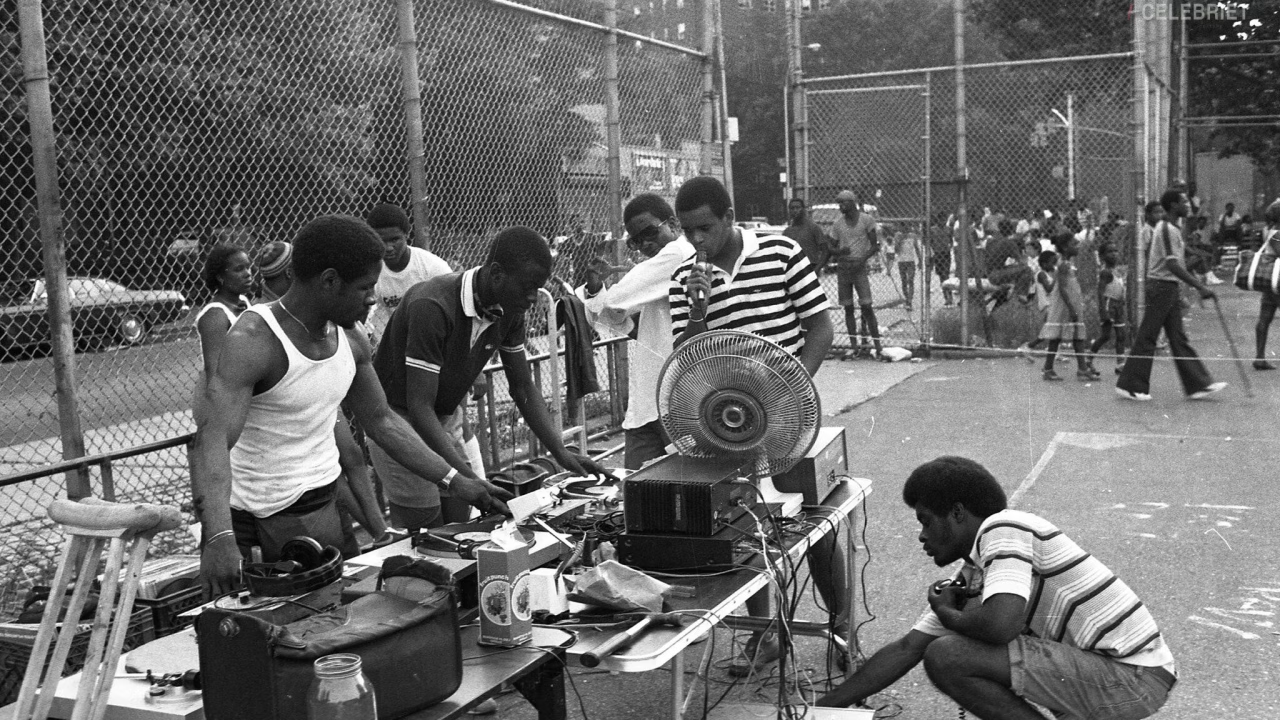
The history of the hip-hop community is much bigger than music. What began as a local cultural movement in the Bronx, New York, during the early 1970s evolved into one of the most influential artistic and social forces in modern history. Hip-hop created a platform for marginalized communities to express their experiences, creativity, and identity through music, dance, visual art, and fashion. Today, it influences everything from entertainment and politics to sports, business, and technology.
While many people associate hip-hop solely with rap music, the culture was built upon multiple creative disciplines that worked together to form a unique community. DJs, MCs, graffiti artists, and breakdancers all played essential roles in shaping the movement. The community that emerged around these elements became a powerful voice for generations of young people across the world. According to the Smithsonian and other historical institutions, hip-hop’s roots can be traced back to the Bronx in 1973, where pioneering figures helped establish the foundations of a cultural revolution.
The Birth of Hip-Hop in the Bronx
The hip-hop community emerged during a difficult period in New York City’s history. During the late 1960s and early 1970s, many neighborhoods in the Bronx faced economic decline, rising crime, unemployment, and reduced public investment. Young people living in these communities often had limited access to traditional forms of entertainment and creative opportunities.
Against this backdrop, local block parties became important gathering spaces. These events allowed residents to connect, celebrate, and escape the challenges of daily life. Music quickly became the centerpiece of these gatherings, creating an environment where new artistic ideas could flourish.
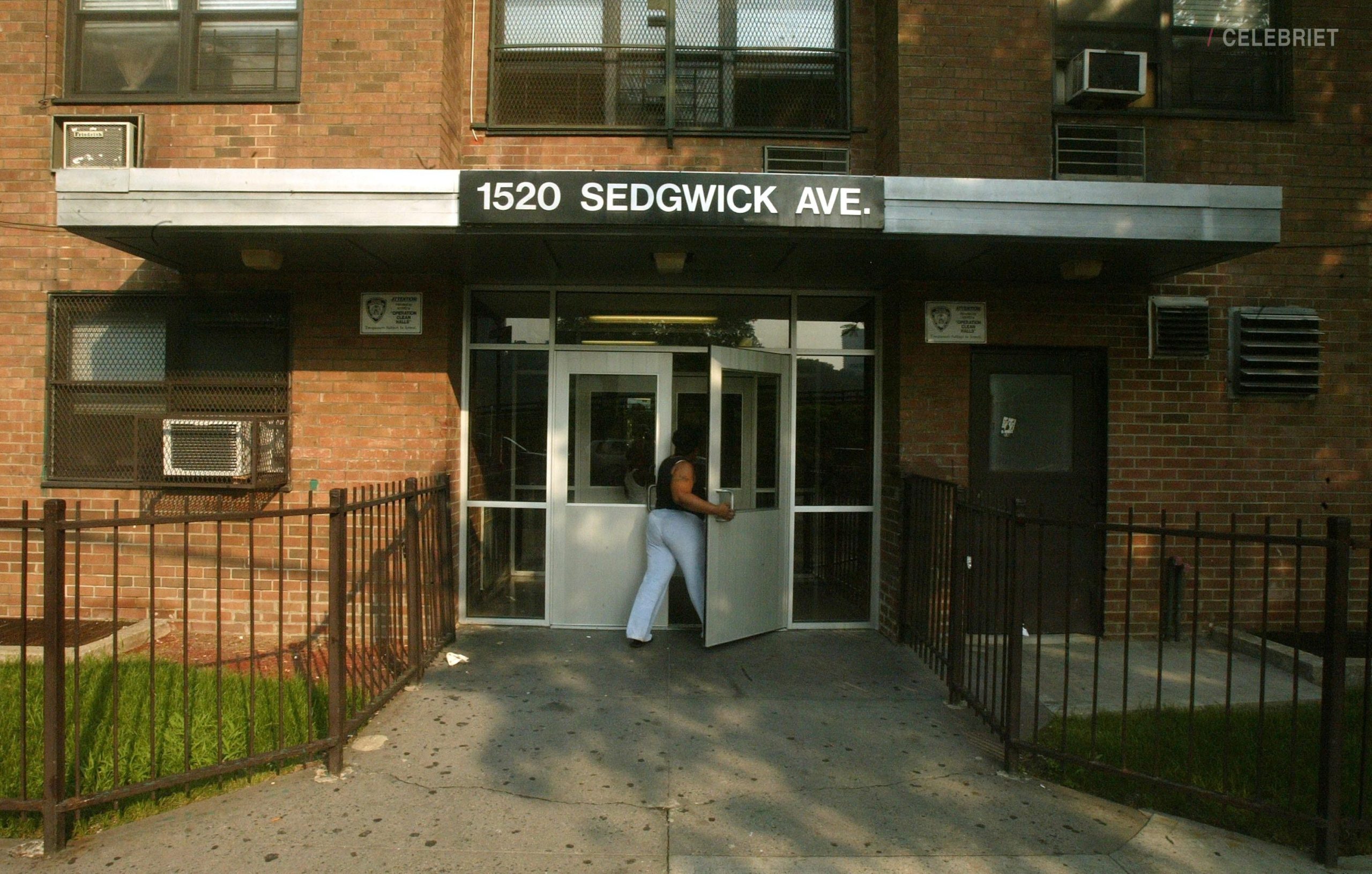
One of the most important figures in hip-hop history is DJ Kool Herc, born Clive Campbell. On August 11, 1973, Herc and his sister Cindy Campbell organized a party at 1520 Sedgwick Avenue in the Bronx. Many historians consider this event one of the foundational moments in hip-hop history. Herc’s innovative technique of extending the instrumental “breaks” of funk records gave dancers more time to perform, helping establish the sound that would define early hip-hop culture.
The Four Elements of Hip-Hop Culture
Hip-hop was never intended to be just a musical genre. Instead, it developed as a complete cultural ecosystem built around four core elements.
DJing was the foundation of early hip-hop. DJs controlled the energy of parties by selecting records, mixing tracks, and extending breakbeats. Innovators such as DJ Kool Herc, Grandmaster Flash, and Afrika Bambaataa pushed the art form forward with new techniques and technologies.
MCing, later known as rapping, developed alongside DJing. Initially, MCs energized crowds and introduced DJs during parties. Over time, their rhythmic speaking evolved into a sophisticated art form featuring storytelling, wordplay, and social commentary.
Breaking, often called breakdancing, emerged as a physical expression of hip-hop culture. B-boys and B-girls used athletic movements, creativity, and competition to showcase their skills during parties and street gatherings. The dance style became one of the most recognizable aspects of hip-hop worldwide.
Graffiti represented the visual dimension of the movement. Artists transformed trains, walls, and public spaces into canvases for creative expression. Graffiti became a way for young people to establish identity, gain recognition, and communicate with their communities. According to the Smithsonian, these four elements became the foundation upon which hip-hop culture was built.
The Pioneers Who Shaped the Community
As hip-hop expanded throughout New York City, several influential figures helped transform it from a local phenomenon into a structured cultural movement.
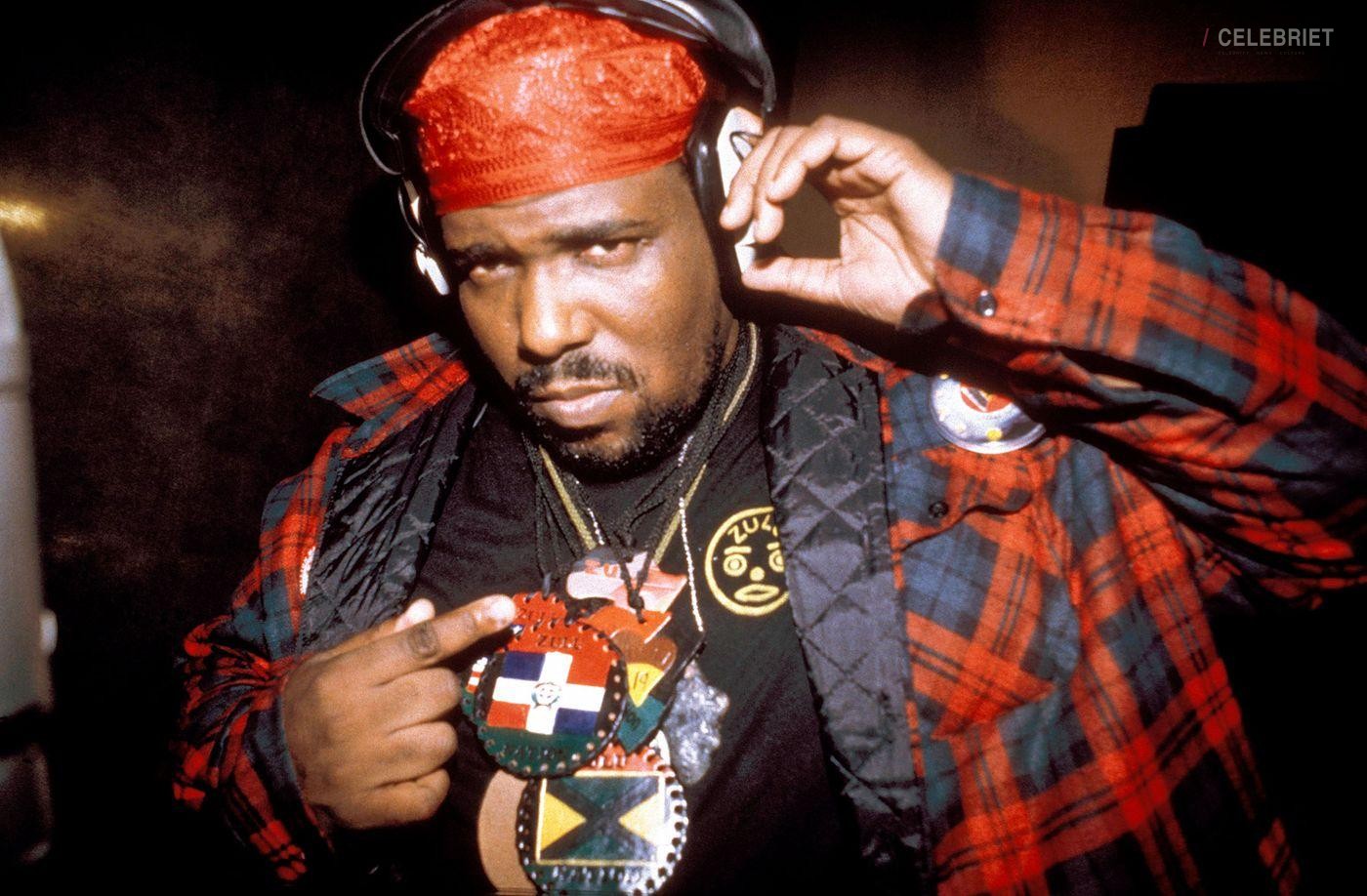
Afrika Bambaataa played a major role in organizing communities through the Universal Zulu Nation. His vision emphasized peace, unity, and creative expression, helping reduce gang violence while promoting artistic competition. Bambaataa also helped define hip-hop as a culture rather than merely a style of music.
Meanwhile, Grandmaster Flash revolutionized DJ techniques. His innovations in scratching, mixing, and turntable manipulation elevated DJing into a highly technical art form. These developments influenced generations of DJs and producers.

Early MC crews also became increasingly important. Groups such as The Furious Five helped establish rap performance as a central component of hip-hop events. Their lyrical skills demonstrated that MCs could be more than party hosts and could become storytellers, commentators, and entertainers.
These pioneers laid the groundwork for a community that valued innovation, competition, and authenticity. Their contributions remain essential to understanding the evolution of hip-hop culture.
Hip-Hop Enters the Mainstream During the 1980s
The late 1970s and early 1980s marked a turning point for hip-hop. What began as a local movement started reaching wider audiences through recorded music, radio, and television.
One of the most significant milestones was the release of Rapper’s Delight by The Sugarhill Gang in 1979. The song became a commercial success and introduced rap music to listeners far beyond New York City. Although some members of the hip-hop community debated its authenticity, its impact on popularizing the genre was undeniable.
Throughout the 1980s, artists continued pushing hip-hop into the mainstream. Acts such as Run-D.M.C. combined street culture with commercial appeal, helping hip-hop gain recognition across America. Their partnership with Adidas became one of the earliest examples of a major brand embracing hip-hop culture.
The decade also witnessed the rise of politically conscious rap. Artists began addressing issues such as racism, poverty, policing, and inequality. Hip-hop was increasingly viewed not only as entertainment but also as a platform for social commentary and community empowerment.
The Golden Age of Hip-Hop
Many historians refer to the mid-1980s through the early 1990s as hip-hop’s Golden Age. During this period, creativity, experimentation, and lyrical complexity flourished across the genre.
Artists embraced innovative production techniques and diverse subject matter. Sampling technology allowed producers to blend influences from funk, jazz, soul, and rock into entirely new musical creations. This period saw remarkable growth in both artistic quality and commercial success.
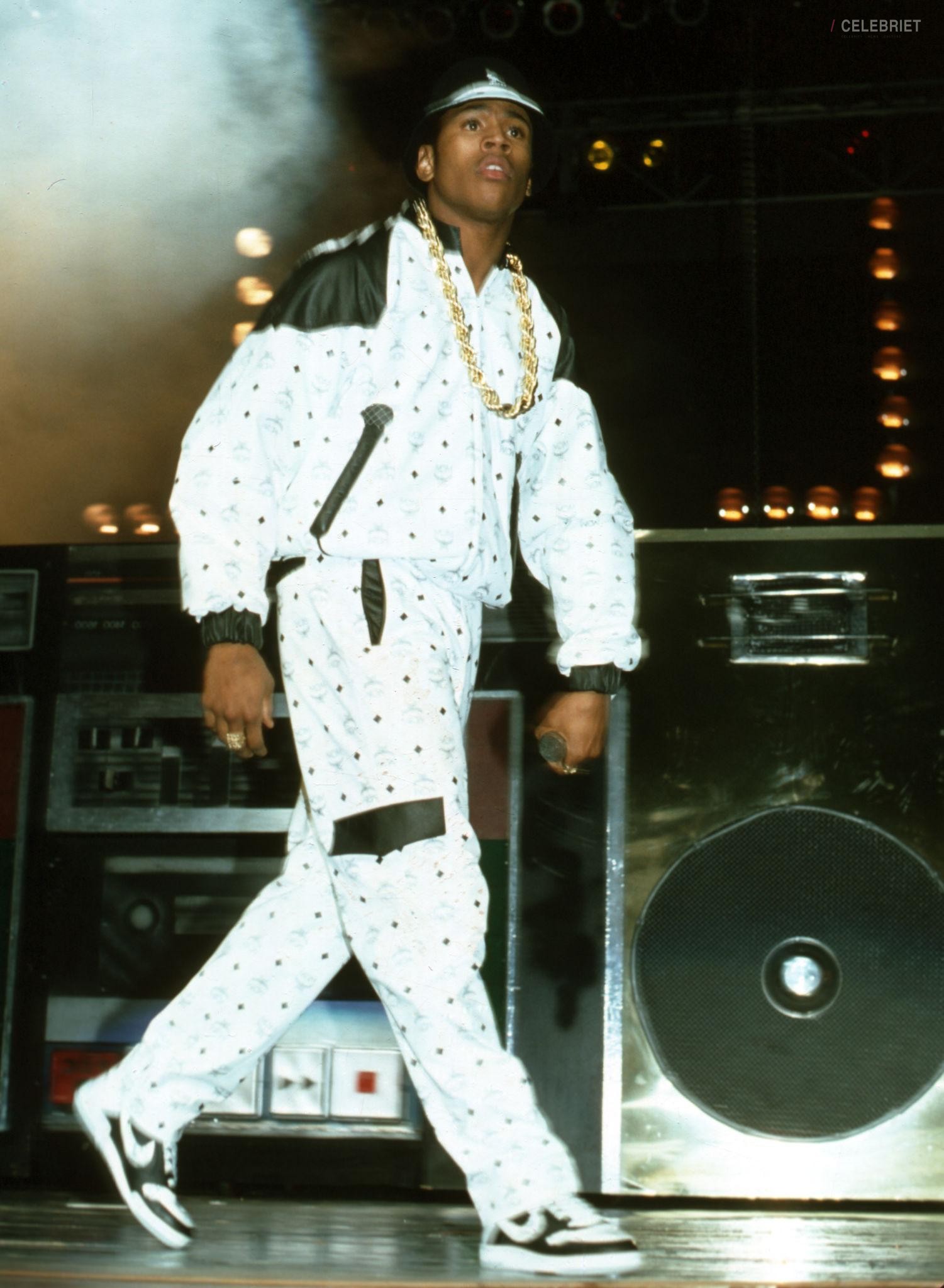
Groups such as Public Enemy brought political consciousness to mainstream audiences. Meanwhile, artists like LL Cool J expanded hip-hop’s commercial reach. The diversity of styles demonstrated the genre’s growing maturity and versatility.
Hip-hop’s influence extended beyond music. Fashion, language, visual art, and youth culture increasingly reflected hip-hop’s impact. By the end of the decade, the community had become a major cultural force throughout the United States.
The East Coast-West Coast Era
The 1990s represented a period of extraordinary growth for hip-hop. Regional scenes developed distinct identities, contributing to the genre’s diversity and popularity.
The East Coast remained an important center of innovation, producing influential artists and maintaining strong connections to hip-hop’s original roots. At the same time, the West Coast developed its own unique sound characterized by funk influences and vivid storytelling.
Artists such as Tupac Shakur and The Notorious B.I.G. became cultural icons. Their music reflected the realities of urban life while reaching audiences around the world.
Unfortunately, media attention often focused on conflicts between East Coast and West Coast artists. The tragic deaths of Tupac Shakur in 1996 and The Notorious B.I.G. in 1997 highlighted the dangers of escalating rivalries. Despite these losses, the hip-hop community continued to grow and evolve.
Hip-Hop Becomes a Global Movement
By the early 2000s, hip-hop had firmly established itself as a global cultural phenomenon. Artists from Europe, Africa, Asia, Latin America, and the Middle East adapted hip-hop to their local languages and experiences.
The core principles of self-expression, storytelling, and community resonated across different cultures. While local styles varied, many artists embraced the same spirit of creativity and resistance that characterized hip-hop’s origins in the Bronx.
Countries developed vibrant hip-hop scenes that reflected their own social realities. The movement became a tool for discussing political issues, cultural identity, and economic challenges. This global expansion demonstrated the flexibility and universality of hip-hop culture.
The internet accelerated this process by allowing artists and fans to connect across borders. Social media, streaming platforms, and digital production tools made hip-hop more accessible than ever before.
Hip-Hop’s Influence on Modern Society
Today, the hip-hop community influences nearly every aspect of popular culture. Music remains central to the movement, but its impact extends far beyond entertainment.
Fashion brands frequently collaborate with hip-hop artists. Sports organizations embrace hip-hop culture through marketing campaigns, events, and athlete partnerships. Film, television, advertising, and social media all reflect the movement’s influence.
Hip-hop has also become a significant economic force. Artists increasingly operate as entrepreneurs, building businesses in fashion, technology, media, and consumer products. The culture that originated in underserved neighborhoods now generates billions of dollars in economic activity worldwide.
Educational institutions and museums have also recognized hip-hop’s historical importance. Organizations such as the Smithsonian Institution have developed exhibitions, collections, and research projects dedicated to preserving hip-hop’s legacy.
The Future of the Hip-Hop Community
More than five decades after its birth, hip-hop continues to evolve. New technologies, platforms, and artistic styles constantly reshape the culture while preserving its core emphasis on creativity and self-expression.
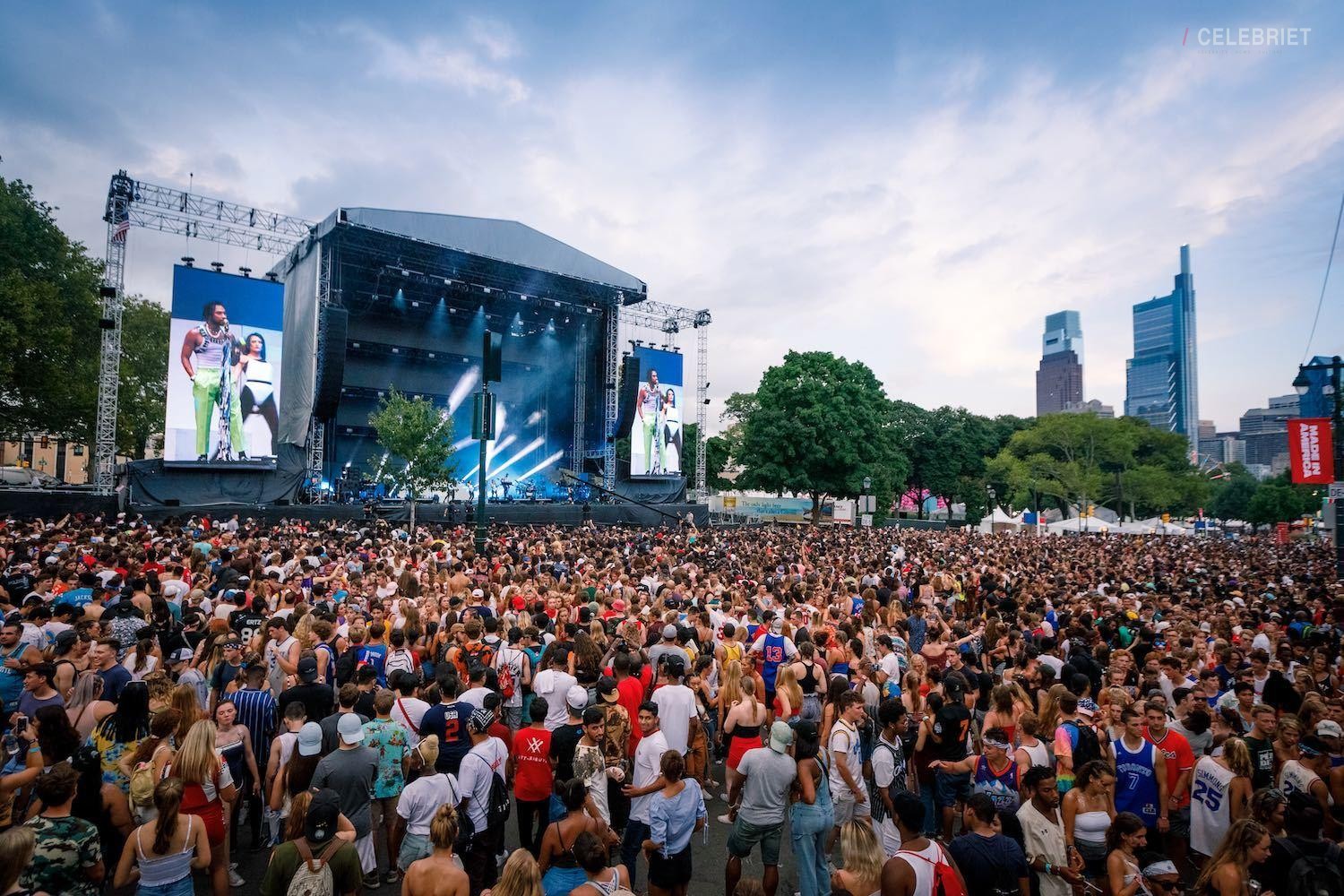
Younger generations are finding new ways to engage with hip-hop through streaming, social media, gaming, and digital content creation. Independent artists now have unprecedented opportunities to reach audiences without traditional industry gatekeepers.
At the same time, the community remains connected to its roots. Many artists continue addressing social issues, inequality, and cultural identity through their work. The values established by early pioneers still influence the movement today.
The hip-hop community’s ability to adapt while maintaining its cultural foundation is one reason for its lasting success. Its history demonstrates how creativity can transform local experiences into a global cultural force.
The history of the hip-hop community is a story of innovation, resilience, and cultural transformation. Emerging from Bronx block parties in the 1970s, hip-hop grew into a worldwide movement built on DJing, MCing, breaking, and graffiti. Pioneers like DJ Kool Herc, Afrika Bambaataa, and Grandmaster Flash established the foundations that allowed future generations to expand the culture in countless directions.
Over the decades, hip-hop has influenced music, fashion, language, business, politics, and social movements around the world. Its journey from neighborhood gatherings to global prominence reflects the power of community-driven creativity. More than just a genre of music, hip-hop remains one of the most important cultural movements of the modern era, continuing to inspire new generations while honoring the vision of those who helped create it.