

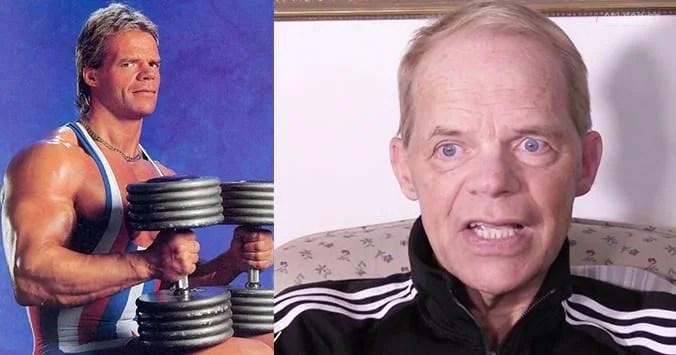
For wrestling fans, Lex Luger was once one of the most dominant figures in the ring. Known for his physique and charisma, Luger rose to fame in both WCW and WWE during the 1990s. However, in later years, fans began asking a common question: what happened to Lex Luger, and why is he in a wheelchair?
The answer traces back to a life-threatening medical emergency in 2007 that left Luger temporarily paralyzed. His condition shocked fans, especially given his athletic background. Over time, he has regained partial mobility but continues to rely on a wheelchair for support. While the incident marked a dramatic turning point, it also led to a new chapter focused on recovery, faith, and personal transformation.
The 2007 Spinal Stroke That Changed Everything
In October 2007, Lex Luger suffered a spinal stroke, a rare medical condition that disrupted blood flow to his spinal cord. This type of stroke can cause sudden paralysis, often without warning. For Luger, the effects were immediate and severe, leaving him unable to move his arms and legs.
The condition was not caused by a traditional injury in the ring but rather a medical event linked to nerve impingement in his neck. Doctors later explained that the lack of blood flow damaged parts of his spinal cord, leading to temporary quadriplegia. This sudden loss of mobility marked one of the most critical moments in his life.
At the time, Luger required extensive medical care and rehabilitation. The incident shocked the wrestling community, as few expected such a condition to affect a former athlete of his caliber. It also raised awareness about spinal strokes, which are far less common than brain strokes.
Although Lex Luger made significant progress after his spinal stroke, he did not fully regain his previous level of mobility. Over the years, he has worked through physical therapy and rehabilitation to improve strength and movement. Today, he can stand and walk short distances with assistance but primarily uses a wheelchair.
The long-term effects of spinal cord damage vary depending on the severity of the injury. In Luger’s case, nerve damage limited his ability to move freely, making a wheelchair necessary for daily life. This does not mean he is completely immobile, but it does explain his reliance on support.
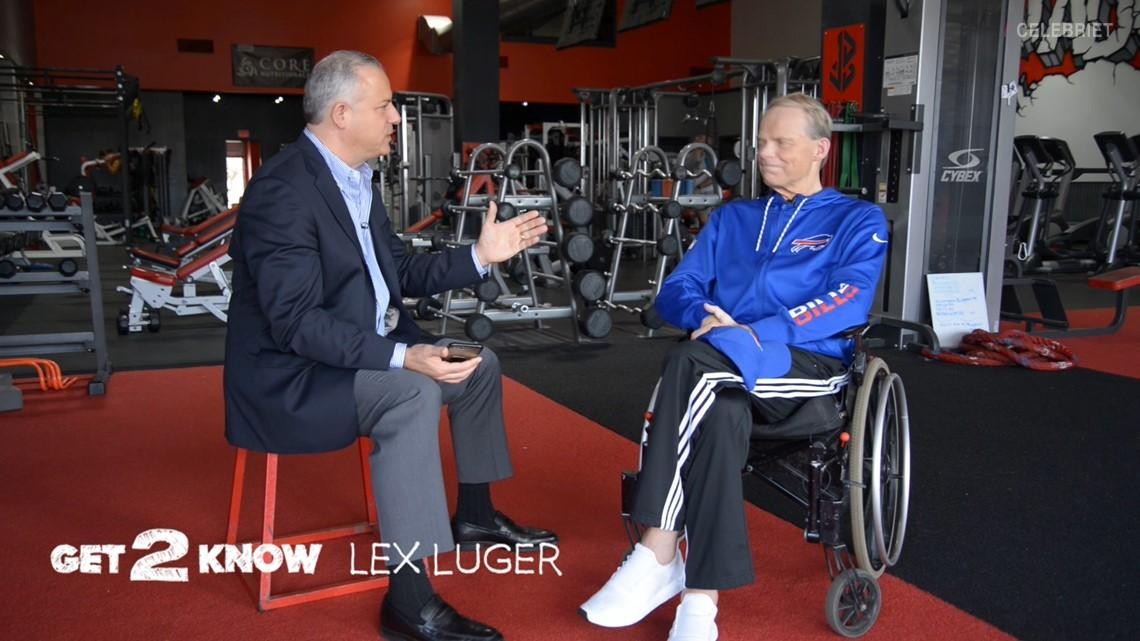
His situation highlights the lasting impact of spinal injuries, even when recovery is possible. While fans may expect a full comeback, medical realities often make that difficult. Luger’s condition reflects both progress and limitation at the same time.
His Road to Recovery and Rehabilitation
Following his hospitalization, Lex Luger committed himself to a long and challenging rehabilitation process. Physical therapy became a central part of his routine, helping him regain partial function in his limbs. Over time, he transitioned from complete paralysis to limited mobility.
Luger has spoken in interviews about the mental and physical challenges of recovery. Regaining basic movement required consistent effort and patience. This journey was not just about physical healing but also adapting to a completely different lifestyle.
Despite the obstacles, Luger’s progress has been notable. Being able to stand and move with assistance represents a significant improvement from his initial condition. His recovery continues to this day, reflecting ongoing determination.
After stepping away from professional wrestling, Lex Luger shifted his focus toward personal growth and outreach. He became involved in motivational speaking and faith-based initiatives, sharing his story with others. This new direction gave him a purpose beyond the ring.
Luger has often described his health crisis as a turning point that changed his perspective on life. The transition from athlete to speaker allowed him to connect with audiences in a different way. His experiences became a source of inspiration rather than just a personal struggle.
While he no longer competes in wrestling, his legacy in the industry remains strong. Fans continue to remember his contributions while also following his journey beyond sports. This dual identity keeps him relevant even today.